
Vegetables
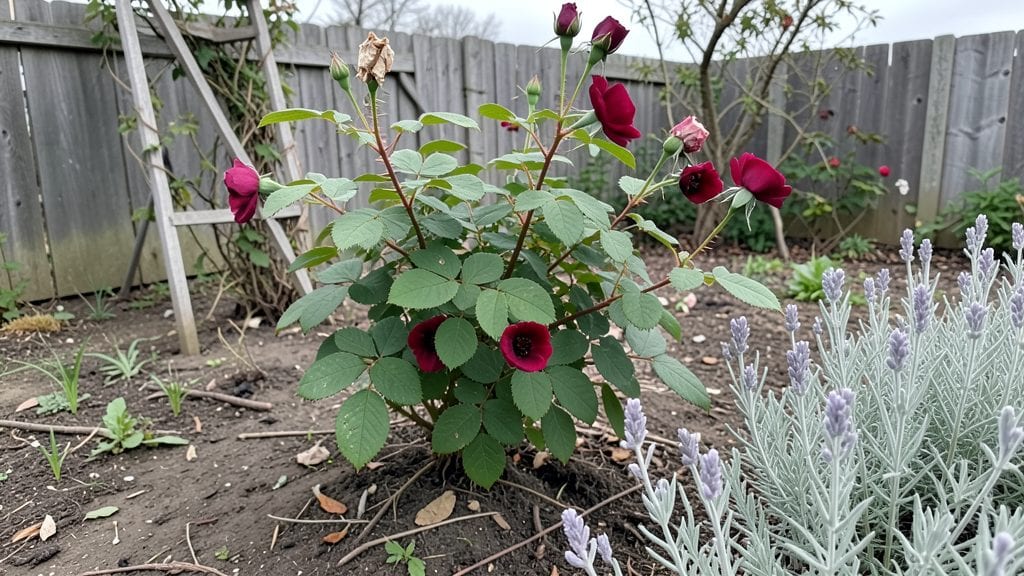
French cottage garden design transforms any yard into a dreamy, overflowing tapestry of color and texture that feels like stepping into a storybook. 🌸 I spent years studying the soft, layered look of these gardens—where roses tumble over stone walls, lavender drifts along paths, and peonies burst through grass like hidden treasures.
The magic isn’t in rigid rows but in the way plants spill over edges, creating that effortless, romantic charm.
You don’t need acres or a perfect layout—just a mix of perennial favorites like delphiniums and irises, romantic annuals for pops of color, and rustic elements like old wooden trellises or weathered pots. The key is asymmetry: let some plants wander, others climb, and always leave room for surprises.
Even a small space can feel lush when you layer heights—tall grasses in back, mid-height shrubs in the middle, and trailing flowers at the front.
What you’ll end up with is a garden that’s alive all season: fragrant lavender in summer, fiery fall foliage, and even winter interest from evergreens and dried seed heads. The colors shift but never clash—think soft pinks, lavenders, and creamy whites with bold accents of blue or deep red.
It’s the kind of garden that makes neighbors pause and smile as they walk by.
Works in any climate with the right plant choices, whether you’re in a sunny Southern garden or a cooler Northern yard. The principles stay the same—just swap heat-loving roses for hardier varieties if needed. Let’s bring that cottage charm to your space!
📚 In This Guide
- What you need
- Instructions
- Tips and common mistakes
- Wrapping up and next steps
What you need
- ● Soil: 5–10 cubic yards of well-draining, nutrient-rich garden soil (or a mix of topsoil and compost, 60/40 ratio). Test soil pH (aim for 6.0–7.0 for most cottage plants).
- ● Mulch: 2–3 cubic yards of wood chips or straw mulch (for pathways and beds).
- ○ Optional: Gravel or pebbles (for defined borders or pathways, ½–1 inch in size).
- ● Plants: A mix of perennials, annuals, herbs, and edible flowers (see quantity guide below). Prioritize drought-tolerant and fragrant varieties.
- ○ Edible & Ornamental Favorites: Plant Type Quantity (per 100 sq. ft.) Examples Perennials 15–20 plants Lavender, roses, peonies, delphiniums, foxgloves Annuals 20–30 plants Marigolds, nasturtiums, pansies, sweet peas, zinnias Herbs 5–10 plants Rosemary, thyme, sage, parsley, chives Edible Flowers 10–15 plants Violas, borage, calendula, nasturtiums Vegetables (optional) 3–5 plants Tomatoes, lettuce, radishes, beans (choose compact varieties)
- ● Hand Tools: 1 garden trowel (for planting small items).
- ● 1 hand fork (for loosening soil).
- ● 1 pruners (bypass pruners for clean cuts).
- ● 1 garden knife (for dividing perennials).
- ● Larger Tools: 1 shovel (for digging and moving soil).
- ● 1 garden rake (for leveling and removing debris).
- ● 1 wheelbarrow (for transporting soil/mulch).
- ○ Optional (but helpful!): Hose with adjustable nozzle (for watering).
- ● Watering can (for delicate plants).
- ● Knee pads or stool (for comfort).
- ● Garden gloves (to protect hands).
- ● Space: At least 100–200 sq. ft. for a small cottage garden (expand as desired!).
- ● Sunlight: 6+ hours of direct sun daily (partial shade is fine for some perennials).
- ● Water Source: Access to a garden hose or irrigation system (drip irrigation is ideal).
- ● Design Plan: Sketch a rough layout (include paths, plant groupings, and focal points).
- ● Budget: $100–$500+ (depending on plant selection and materials).
How to create a French cottage garden in your backyard
This design thrives on spontaneity—let's build a garden that feels like a living postcard.
🌿 Step 1: Choose a Sunlit, Sheltered Spot
French cottage gardens love morning sun with afternoon shade, so scout your yard for a location that gets 4-6 hours of direct light daily. I always pick a spot near a fence or trellis—it creates natural boundaries and protects delicate plants from harsh winds. The soil here should drain well but hold moisture; if it's heavy clay, amend with 2-3 inches of compost before planting.
Here's the thing—avoid low-lying areas where water pools after rain. You'll see this as soggy soil that smells musty or has standing water after heavy downpours. A slight slope or raised bed works best for keeping roots happy year-round.
🪴 Step 2: Layer Plants in Loose, Natural Groups
Start with a mix of tall perennials (like delphiniums or hollyhocks) as your backbone, then add mid-height plants (roses, peonies) in front, and finally spill trailing flowers (like alyssum or lobelia) at the edges. I like to plant in odd-numbered clusters—3 or 5 plants together creates that signature cottage-garden look.
Leave 18-24 inches between clusters so plants can spread naturally without competing for space. Dig holes just deep enough to accommodate the root ball, then water each plant deeply before backfilling with soil. This ensures roots settle into their new home without air pockets.
☀️ Step 3: Add Whimsical Accents and Pathways
French cottage gardens aren't complete without meandering paths—use stepping stones or crushed gravel to create winding trails that invite exploration. I scatter 12-inch diameter stones every 3-4 feet along the path, leaving gaps for wildflowers to grow between them.
Add trellises or arbors draped with climbing roses or clematis for vertical interest. Place a few vintage-inspired elements like an old wooden gate, a weathered birdbath, or a stack of stones to lean on—these details make the garden feel timeless. You'll notice the magic happens when these accents feel slightly imperfect, like they've been there for decades.
✂️ Step 4: Maintain with Seasonal Pruning and Deadheading
Cut back spent blooms regularly to encourage more flowers—this is called deadheading, and it keeps your garden looking lush. I prune roses after their first flush of blooms in early summer, then again in late summer to shape them for fall color. Use sharp pruners to make clean cuts just above a leaf node.
Mulch annually with 2-3 inches of organic mulch (like shredded bark) to retain moisture and suppress weeds. In late fall, cut back perennials that have died back but leave seed heads on some plants for winter interest. This creates texture and attracts birds during colder months.
💧 Step 5: Water Deeply and Infrequently
Water in the early morning to reduce evaporation and fungal diseases. I aim for 1 inch of water per week, either from rain or irrigation. Let the soil dry out slightly between waterings—you'll see this as the top 1-2 inches of soil feeling dry to the touch.
Group plants with similar water needs together to simplify care. For example, lavender and rosemary thrive on neglect, while peonies and delphiniums appreciate consistent moisture. A drip irrigation system buried under mulch keeps water at the roots where it's needed most.
Tips & tricks for perfect French cottage garden design
Here's what nobody tells you about creating a garden that feels like a living postcard—these tricks will help you avoid common pitfalls and create that signature French charm.
Location is Everything: When choosing your sunlit spot in Step 1, pay attention to microclimates in your yard. I've found that even a small area near a south-facing wall can create enough warmth for sun-loving plants like roses. Test your spot for a full day—some areas might get more afternoon sun than you realize, which can stress delicate flowers. Also, consider future growth: that cute little shrub might become a towering giant in 5 years!
Plant Placement Secrets: In Step 2, when arranging your odd-numbered clusters, think about the mature height of each plant. Place your tallest perennials (like delphiniums) at the back or north side of the garden where they won't cast too much shade on smaller plants. I like to sketch a rough layout first—this helps visualize how the garden will look as it grows. Don't be afraid to leave some empty space; French gardens have a natural, unplanned look that makes them so charming.
Pathway Planning: For Step 3, when creating your meandering paths, consider how you'll actually walk through the garden. I design paths that lead you to interesting spots—like a secluded bench or a particularly fragrant rose bush. Use irregularly shaped stones or pavers to create that classic cottage garden feel. And here's a pro tip: leave some gaps between stones for wildflowers to grow—this adds unexpected color and attracts pollinators.
Maintenance Made Easy: In Step 4, when deadheading and pruning, I've found that keeping a small basket nearby makes the process much more enjoyable. As you work, you'll notice which plants bloom continuously and which have shorter flowering seasons—this helps you plan for next year. For roses specifically, I prune in three stages: first to shape, then to encourage blooms, and finally to clean up before winter. This staggered approach keeps them looking their best all season.
Pro Tips for French Cottage Gardens
- Here's what nobody tells you about creating a garden that feels like a living postcard—these tricks will help you avoid common pitfalls and create that signature French charm.
- Location is Everything: When choosing your sunlit spot in Step 1, pay attention to microclimates in your yard.
- Plant Placement Secrets: In Step 2, when arranging your odd-numbered clusters, think about the mature height of each plant.
Frequently asked questions
Got questions about creating your own French cottage garden? You’re not alone!
Here are answers to the most common queries to help you bring this charming style to life—without the guesswork.
What’s the best time of year to start a French cottage garden?
A French cottage garden thrives on layering, so you can plant in early spring or fall for the best results. Spring lets you take advantage of warm soil and longer daylight, while fall gives plants time to establish roots before winter. Perennials and bulbs (like lavender or tulips) are ideal for fall planting—they’ll reward you with color for years!
Do I need a big yard for a French cottage garden?
Absolutely not! This style is all about whimsy and texture, not space. Even a small balcony or patio can host a mini cottage garden with container plants, climbing roses, and trailing flowers. Use vertical elements (like trellises or hanging baskets) to maximize charm in tight spots. Think romantic, not sprawling!
How do I keep my French cottage garden looking lush all year?
Layering is key! Mix perennials (for structure), annuals (for bursts of color), bulbs (for early spring blooms), and evergreens (for winter interest). Deadhead spent blooms regularly, and add mulch to retain moisture. Seasonal swaps—like replacing spring daffodils with fall mums—keep things fresh without replanting everything.
What are some budget-friendly alternatives to expensive cottage garden plants?
Skip the pricy nursery finds! Start with seed packets (like sweet peas, marigolds, or cosmos), cuttings from friends’ gardens, or local wildflowers (e.g., black-eyed Susans). Herbs like rosemary or thyme add texture and fragrance without breaking the bank. Repurpose containers—old teapots, boots, or wine barrels—as quirky planters for pennies!
How do I deal with pests in a French cottage garden?
Pests are part of the game, but diversity is your best defense. Plant companion plants (like basil with tomatoes or nasturtiums with squash) to deter bugs naturally. Encourage beneficial insects (ladybugs, lacewings) with neighborhood-friendly plants like alyssum or dill. Handpick larger pests (like tomato hornworms) early in the morning, and prune affected leaves to reduce spread.
Wrapping up and next steps
French cottage gardens are all about effortless charm—layered with vibrant blooms, rustic textures, and a touch of whimsy that feels like a warm hug from nature. Whether you’re drawn to their romantic allure or the year-round beauty they bring, this style invites creativity and connection to the earth. 🌸
Ready to bring a slice of France to your backyard? Start small: sketch a simple layout, gather a few key plants, and let your garden grow—one je ne sais quoi at a time! 🌿