Tools
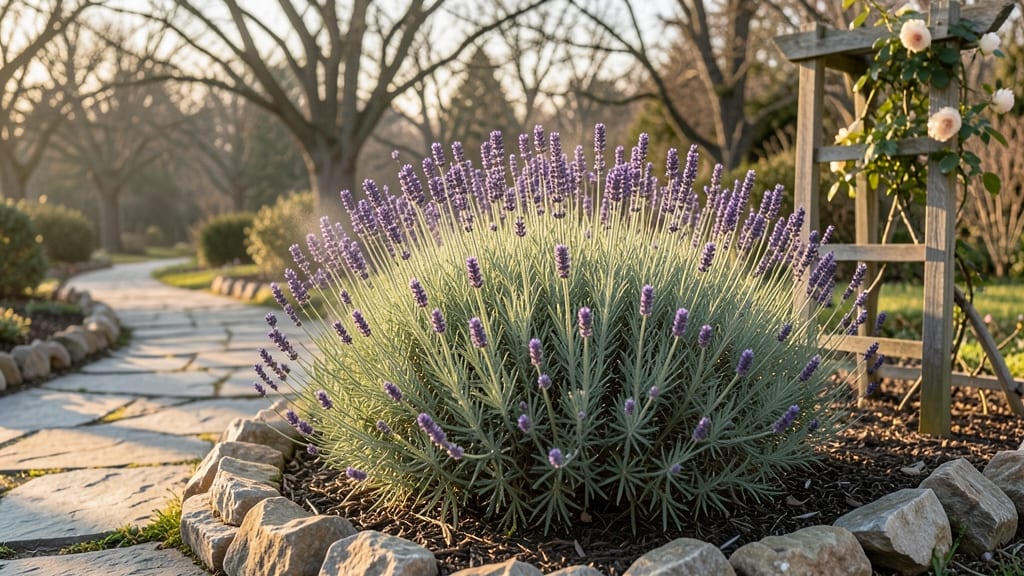
Creating a French kitchen garden means blending history and practicality into every step—where every path leads to fragrant herbs and every border teems with edible treasures. 🌿 I fell in love with this style after stumbling upon a 17th-century sketch showing symmetrical beds packed with rosemary, thyme, and lettuce.
The key isn’t just the plants—it’s the way they’re arranged: narrow pathways for easy access, raised beds for drainage, and flowers tucked between vegetables to attract pollinators.
The layout is all about function meeting beauty. Think raised beds filled with herb spirals (where hardy perennials like lavender surround tender annuals), companion planting (marigolds between tomatoes to deter pests), and edible borders that blur the line between garden and landscape.
Even a small space can work—my 4-foot-wide urban plot grows enough basil, parsley, and chives for year-round cooking. The secret? Start small with two or three classic herbs and expand as you master the rhythm of pruning and harvesting.
What you’ll end up with is a garden that smells like a Provençal summer—warm, earthy, and alive with the scent of crushed sage underfoot. The symmetry of the beds creates a soothing visual rhythm, while the mix of colors (deep purples, silvers, and greens) makes it feel intentional, not fussy.
Best of all, every plant serves a purpose: rosemary for roasts, nasturtiums to repel squash bugs, and lavender to calm both garden and gardener. It’s not just a garden; it’s a living kitchen.
Modern adaptations are easy—swap formal symmetry for loose curves if your space demands it, or use containers for herbs if soil is poor. The French didn’t have raised beds in the 1600s, but they’d approve of anything that makes harvesting easier.
Whether you’re reviving a historic style or just craving a garden that’s as useful as it is beautiful, this approach delivers. Let’s get those pathways planted!
📚 In This Guide
- What you need
- Instructions
- Tips and common mistakes
- Wrapping up and next steps
What you need
- ● Soil: 10–15 cubic yards of high-quality garden soil (mix in compost for richness). Look for a blend with 50% topsoil, 30% compost, and 20% perlite/sand for drainage.
- ● Seeds/Plants: Herbs: 6–10 plants (e.g., basil, thyme, rosemary, parsley, chives, lavender). Opt for organic, heirloom varieties for authenticity.
- ● Edible flowers: 3–5 plants (nasturtiums, violets, or borage for color and flavor).
- ● Vegetables: 4–6 varieties (e.g., lettuce, radishes, carrots, or cherry tomatoes for easy harvesting).
- ● Containers or Raised Beds: Wooden planters (4’x8’), ceramic pots (12–16” diameter), or galvanized metal troughs (for a rustic French touch).
- ● Watering System: A drip irrigation kit (with ¼” tubing and emitters) or a watering can with a rose attachment (for precision).
- ● Hose with adjustable nozzle (for larger areas).
- ● Mulch: 2–3 bags of straw, pine needles, or shredded bark to retain moisture and suppress weeds.
- ● Fertilizer: Organic compost tea or a slow-release granular fertilizer (e.g., 5-5-5 ratio).
- ● Pruning Tools: Bypass pruners (for clean cuts).
- ● Hand shears (for shaping herbs and edible borders).
- ● Gloves & Sun Hat: 1 pair of gardening gloves (nitrile-coated for durability) and a wide-brimmed hat (for sun protection).
- ● Decorative Elements: Wrought-iron trellises (for climbing plants like beans or peas).
- ● Terracotta pots or rustic stone markers for labeling plants.
- ● A small fountain or birdbath (for ambiance and pollinators).
- ● Tools for Efficiency: A kneeling pad (to protect your knees).
- ● A portable stool (for comfort during long sessions).
- ● A wheelbarrow (for hauling soil or compost).
- ● Scented & Aesthetic Touches: Dried lavender or rosemary sachets (to hang near your garden for a fragrant breeze).
- ● French-style garden flags (to mark rows with charm).
Step-by-Step instructions for designing a French kitchen garden
Here's how to create a fragrant, functional garden that mirrors classic French rustic charm.
🌱 Step 1: Plan the Layout with Intention
Start by sketching your space, dividing it into 4-foot-wide beds separated by 12-inch pathways. The French approach favors narrow beds—this makes weeding easier and encourages dense planting. I like to place taller herbs like rosemary and thyme along the back, with shorter varieties like parsley and chives in front. This creates natural layers and maximizes scent as you walk through.
Mark your design with stakes and twine to visualize the layout before digging. The key is symmetry—repeat plant groupings every 2-3 feet for that classic French look. For example, pair two lavender bushes with a single rosemary plant between them. This balance makes the garden feel intentional rather than haphazard.
🪴 Step 2: Prepare the Soil for Rich Growth
Loosen the top 12 inches of soil with a broadfork or spade, breaking up any compacted layers. The French garden tradition emphasizes well-draining soil, so if your area holds water, amend with 2 inches of compost mixed into the top layer. I swear by adding a handful of aged manure per square foot—it feeds the soil for years without burning plants.
Rake the surface smooth but don't overwork it. The goal is to create a fine, crumbly texture that encourages root growth. Sprinkle a thin layer of mulch (like straw or pine needles) over the beds to suppress weeds and retain moisture. This step is non-negotiable—skipping it leads to dry soil and stunted herbs.
☀️ Step 3: Plant in Staggered Rows for Aesthetic and Function
Arrange plants in 3-4 staggered rows per bed, spacing them 6-12 inches apart depending on maturity size. For example, place thyme 10 inches apart while chives can sit 6 inches apart. The staggered pattern creates visual interest and prevents disease by improving airflow between plants.
Dig holes just deep enough to accommodate the root ball, then firm the soil around each plant. Water immediately after planting to settle roots. Here's the thing—I always plant lavender and rosemary first, as they take longer to establish. This gives them a head start while faster growers like basil fill in around them.
💧 Step 4: Establish Maintenance Routines for Long-Term Beauty
Water deeply once weekly (or daily in extreme heat) to encourage deep root growth. The French garden philosophy favors drought-tolerant plants, so aim to water at the base rather than overhead. I use a soaker hose for 20-30 minutes per session—this keeps leaves dry and prevents fungal issues.
Deadhead spent flowers regularly to prolong blooming and encourage new growth. For herbs like oregano and thyme, trim back one-third of the plant after flowering to maintain shape. This pruning step is where the garden truly transforms—neat, tidy plants with vibrant foliage that smell incredible when brushed against.
✂️ Step 5: Add Fragrant Pathways and Edible Borders
Line your pathways with low-growing herbs like creeping thyme or mint to create a sensory experience as you walk. These plants also suppress weeds naturally. For borders, plant lavender or marjoram along the edges—their scent will waft toward you as you tend the garden.
Add a few edible flowers like nasturtiums or borage for color and pollinator support. These aren't traditional French herbs, but they fit the aesthetic perfectly while providing extra harvests. The result? A garden that's as beautiful as it is useful, with every step offering a new scent and harvest opportunity.
Tips & tricks for perfect French kitchen garden design
Creating a French-inspired herb garden takes more than just planting—it's about crafting an experience. Here are the secrets that elevate a simple garden into a fragrant, functional masterpiece.
Spacing is Everything: The 4-foot-wide beds and 12-inch pathways from Step 1 aren't arbitrary—they're designed for practicality. This width makes weeding effortless with a hoe, while the pathways allow you to walk through without crushing plants. I've found that adding 1-2 inches of extra pathway width near seating areas creates comfortable walking space without sacrificing growing area. For symmetry lovers, use a 3-foot measuring tape to mark your 2-3 foot plant groupings—this ensures perfect repetition every time.
Soil Science Matters: When preparing your 12-inch soil depth in Step 2, don't just loosen—think about texture. The French approach values that "crumbly" feel because it mimics natural forest floor conditions. I mix in 1 part aged manure to 3 parts soil by volume, then add 2 inches of compost only to the top layer. This creates a nutrient gradient that feeds roots over years. Pro tip: Save your coffee grounds! Brew used grounds into the soil—they're slightly acidic and mimic the forest floor environment French gardens emulate.
Planting Strategy: The staggered rows in Step 3 aren't just decorative—they're a disease prevention tactic. By spacing thyme 10 inches apart and chives 6 inches apart, you create airflow that prevents fungal issues. Here's what I do: plant all my lavender and rosemary first (they're slow starters), then fill in around them with faster growers. This creates instant visual impact while giving slow growers time to establish. Water immediately after planting—this isn't just about settling roots, but also about washing away any soil-borne pathogens that might have survived your soil prep.
Maintenance Shortcuts: That 20-30 minute weekly watering session in Step 4 is your secret to low-maintenance beauty. Set a timer when using your soaker hose—this ensures consistent moisture without overwatering. For deadheading, I use the "snip and sniff" method: trim just above a leaf node while inhaling the aroma. This simple act doubles as sensory enjoyment and garden care. And here's a game-changer: mulch your pathways with crushed gravel instead of soil—it stays weed-free and creates a stunning contrast with the herb beds.
Pro Tips for French Kitchen Garden
- Creating a French-inspired herb garden takes more than just planting—it's about crafting an experience.
- Spacing is Everything: The 4-foot-wide beds and 12-inch pathways from Step 1 aren't arbitrary—they're designed for practicality.
- Soil Science Matters: When preparing your 12-inch soil depth in Step 2, don't just loosen—think about texture.
Frequently asked questions
Got questions about creating your own jardin potager (French kitchen garden)? Here are some of the most common ones—and their answers!
What’s the best time of year to start a French kitchen garden?
A French kitchen garden thrives with spring planting (March–May) for most herbs and vegetables, but you can extend the season! Start cool-weather crops like lettuce and peas in early spring, while warm-season plants (tomatoes, basil) wait until after the last frost. Pro tip: In warmer climates, plant in fall for a winter harvest!
How much space do I really need for a French-style kitchen garden?
Even small spaces work! A classic French kitchen garden can fit in a 4’x4’ raised bed or narrow borders along a fence. Prioritize vertical gardening (trellises for beans, hanging herbs) and mix edibles with ornamentals. Key rule: Keep pathways wide enough (12–18”) for easy access—no tripping over thyme!
What’s the trick to keeping a French kitchen garden lush without overwatering?
French gardens rely on mulch (straw, wood chips) to retain moisture and suppress weeds. Water deeply early in the morning (1–1.5 inches weekly) and avoid wetting leaves to prevent disease. Pro tip: Group plants with similar water needs (e.g., herbs with rosemary and lavender) for efficiency!
Can I grow a French kitchen garden in containers or just in-ground?
Containers are perfect for herbs (basil, parsley) and compact veggies (radishes, green onions). Use well-draining soil and pots at least 12” deep. For in-ground, raised beds mimic the French style with clean lines and edible borders. Bonus: Window boxes work great for chives and thyme!
How do I keep pests away naturally, like the French do?
French gardeners use companion planting (e.g., marigolds repel pests, basil deters flies) and handpick bugs early. Neem oil or garlic spray (blended with water) are gentle solutions. Pro tip: Encourage ladybugs and lacewings—they’re your tiny, hungry allies!
Wrapping up and next steps
A French kitchen garden isn’t just a space—it’s a celebration of flavor, tradition, and sustainability. From carefully selected herbs to structured edible borders, every element comes together to create a functional and beautiful garden that brings the essence of France to your doorstep. 🌿
Ready to turn your green thumb into a chef’s touch? Start small—plant a few fragrant herbs or sketch a simple layout—and let your garden grow into a fragrant, productive haven. Your next step? Grab your tools, sketch your design, and let the magic of a French-inspired garden unfold! 🌱