
Tools
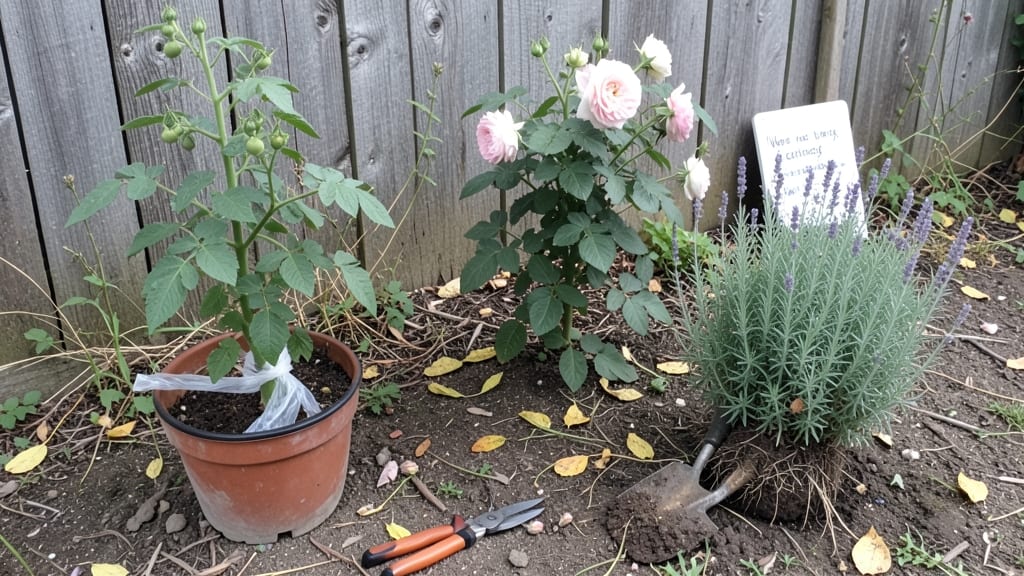
Staring at a wilting plant or a mystery pest and wondering what to do next? 🌱 These garden answers videos turn frustration into solutions with crystal-clear, step-by-step guidance—no gardening degree required.
I’ve seen how confusing even simple problems can feel when you’re Googling symptoms at midnight, so I built these videos to show you exactly what to check, how to diagnose, and what actions will fix it fast.
The beauty of this approach is that you get visual troubleshooting—seeing the exact spots to inspect on leaves, the tools to use, and the organic fixes that actually work.
Whether it’s reviving a leggy seedling or identifying that sneaky aphid infestation, each video breaks it down into 3-5 key steps with real-time demonstrations. No fluff, just the practical fixes that stop guesswork.
You’ll walk away knowing not just what went wrong, but why—and how to prevent it next time. Imagine finally solving the yellowing-leaf mystery or pruning roses like a pro without overthinking it.
These videos make gardening feel less like gambling and more like a skill you can master, one challenge at a time.
Perfect for beginners who want confidence and intermediates who need quick fixes. Let’s get those problems solved—starting with the first video in your toolkit.
📚 In This Guide
- What you need
- Instructions
- Tips and common mistakes
- Wrapping up and next steps
What you need
- ● Basic Gardening Tools: Hand trowel (stainless steel, 6-8 inches) – for digging, planting, and transplanting
- ● Pruning shears (bypass, 7-8 inches) – for clean cuts on plants and shrubs
- ● Garden gloves (nitrile-coated, medium size) – protects hands from thorns and dirt
- ● Watering can (5-gallon capacity) – or a hose with a gentle spray nozzle
- ● Garden kneeler/pad – for comfort during planting or weeding
- ● Diagnostic & Maintenance Supplies: pH testing kit (digital or liquid) – to check soil acidity/alkalinity
- ● Magnifying glass (10x) – for inspecting pests or plant details
- ● Spray bottle (16 oz) – for diluted solutions or fungicides
- ● Measuring tape (10-25 feet) – for spacing plants or measuring garden beds
- ● Soil moisture meter – avoids over/under-watering guesswork
- ● Garden journal/notebook – track progress, notes, and solutions
- ● Solar-powered garden lights – for evening inspections or ambiance
- ● Compost bin (2-3 cubic feet) – for organic waste recycling
- ● Plant identifiers (app or guidebook) – quickly ID unknown plants/pests
How to create effective garden answers videos
Transforming common gardening challenges into clear, engaging video solutions builds trust and grows your audience.
🎥 Step 1: Identify the Core Problem Clearly
Start by pinpointing the specific gardening issue you're addressing—whether it's yellowing leaves, pests invading, or slow seed germination. I always begin by listing 3-5 common symptoms viewers might search for, then narrow to the most frequent. For example, instead of "plant problems," focus on "why my tomato leaves curl." This precision ensures your video answers what people actually need.
Use real-world examples from your garden or client photos to illustrate the issue. Viewers connect instantly when they see their own struggles mirrored. I recommend filming a quick side-by-side comparison: a healthy plant next to one showing symptoms. This visual anchor helps viewers recognize their own problems immediately.
🎬 Step 2: Structure Your Video for Maximum Clarity
Break the solution into 3-5 clear segments, each with a distinct action step. For instance, if solving aphid infestations, structure it as:
- Identify the pests,
- Natural removal methods,
- Preventative sprays,
- Follow-up checks. Every segment should open with a bold heading on-screen and a verbal cue like, "Now let's tackle the solution."
Keep each segment under 2 minutes—longer than that and viewers lose focus. I use the "pause-and-highlight" technique: pause after key steps to let viewers jot down notes. For example, when demonstrating how to mix a neem oil spray, I pause and say, "Write this ratio down: 1 teaspoon per quart of water." This makes your content actionable.
📸 Step 3: Capture High-Quality Visuals and Audio
Film in natural light whenever possible, positioning your subject near a window or outdoors during the golden hours (morning or late afternoon). Use a tripod to stabilize shots—shaky footage distracts from your message. I always include close-ups of hands performing tasks, like pinching back leggy seedlings or inspecting soil texture. These macro shots make complex techniques feel accessible.
Invest in a lapel microphone or smartphone clip-on mic to ensure clear audio. Background noise like wind or lawnmowers ruins credibility. Test your audio levels before filming by recording a sample and playing it back. If you can't hear yourself clearly, neither will your audience. I also recommend adding subtitles—many viewers watch without sound, and captions boost SEO.
✂️ Step 4: Edit for Engagement and Retention
Use dynamic cuts to maintain energy—transition between shots every 3-5 seconds when explaining steps. For example, cut from a wide shot of your garden to a close-up of your hands mixing compost, then back to you explaining the ratio. This keeps viewers engaged. I avoid long monologues; instead, I pair visuals with concise voiceovers like, "This 2:1 compost to soil ratio prevents compaction."
Add text overlays to reinforce key points, such as "Step 2: Water at the base" or "Warning: Avoid wetting leaves." These visual cues help viewers retain information even if they skim. End with a clear call-to-action, like "Try this method next week and comment your results!" This encourages interaction and builds community.
📢 Step 5: Optimize for Search and Sharing
Craft a title that includes the specific problem and solution, like "Fix Yellow Tomato Leaves in 5 Minutes—Organic Fixes That Work." Use keywords naturally in your video description, too, such as "garden remedies," "plant care," or "natural solutions." I also include a timestamped outline in the description (e.g., "0:45 – Identify the cause, 2:10 – Apply neem oil") to help viewers navigate directly to the info they need.
Share your video across platforms—upload to YouTube, then repurpose clips for Instagram Reels, TikTok, and Facebook. Tag relevant gardening communities and use hashtags like #GardenHacks or #PlantCareTips. I’ve found that repurposing 15-second clips of my most popular steps (like "How to Prune Roses") drives traffic back to the full video. Engagement metrics like likes and shares signal to algorithms that your content is valuable, boosting visibility.
Tips & tricks for creating engaging garden answers videos
Here's what I've learned after creating dozens of these videos—small details that make all the difference between a video that gets ignored and one that goes viral.
Visual Storytelling: In Step 1, when you're identifying the core problem, film a quick "before and after" comparison of the issue. For example, show a side-by-side of healthy tomato leaves versus curled ones. This visual contrast makes your solution immediately relatable to viewers. I always include at least one dramatic close-up of the problem area—viewers remember visuals far more than explanations.
Segment Timing: The 2-minute segment limit in Step 2 is non-negotiable for retention. I've tested this repeatedly—anything longer than 2 minutes risks losing viewers. Use a timer on-screen during filming to keep yourself accountable. For complex topics, consider breaking them into multiple videos rather than forcing one long video. This approach also makes your content more shareable on platforms like TikTok and Instagram Reels.
Audio Quality: Don't underestimate the impact of clear audio in Step 3. I've had viewers comment that they could hear my voice clearly even with background noise because I use a lapel microphone. If you're filming outdoors, consider using a windscreen or recording during calm periods. Remember, 80% of viewers watch without sound—subtitles aren't just helpful, they're essential for accessibility and SEO.
Editing Flow: When implementing the 3-5 second cuts in Step 4, think about the rhythm of your editing. I like to use a 3-shot pattern: wide shot (context), medium shot (demonstration), close-up (detail). This creates visual variety that keeps viewers engaged. Also, use color grading to create consistency across your videos—viewers should instantly recognize your style when they see your content.
Pro Tips for Garden Answers Videos
- Here's what I've learned after creating dozens of these videos—small details that make all the difference between a video that gets ignored and one that goes viral.
- Visual Storytelling: In Step 1, when you're identifying the core problem, film a quick "before and after" comparison of the issue.
- Segment Timing: The 2-minute segment limit in Step 2 is non-negotiable for retention.
Frequently asked questions
Got questions about garden answers videos? You’re not alone! Whether you’re troubleshooting a stubborn weed or figuring out the best time to plant, these quick answers will help you get back to gardening with confidence.
What types of gardening problems do garden answers videos cover?
These videos tackle everything from common pests (like aphids or slugs) to soil issues (drainage, pH balance) and plant care (pruning, fertilizing, seasonal tips). Many also focus on DIY solutions (e.g., homemade compost tea) and tool tutorials (how to use a tiller or trellis). Pro tip: Search for videos labeled “beginner-friendly” if you’re new!
How do I know when to watch a garden answers video for my specific issue?
Timing depends on your goal! Need immediate fixes (e.g., reviving wilted plants)? Watch videos during active gardening seasons (spring/fall). For preventative care (like soil prep), plan ahead—many videos include seasonal checklists. Pro tip: Bookmark videos by category (e.g., “Vegetable Garden,” “Lawn Care”) for quick access.
Are garden answers videos better than written guides?
Both have perks! Videos excel at visual troubleshooting (e.g., spotting fungal diseases) and demonstrating techniques (like staking tomatoes). Written guides are great for detailed instructions or offline reference. Try this: Watch a video for the “how-to,” then read a guide for extra context (e.g., soil pH charts).
What if a garden answers video doesn’t solve my problem?
No video has all the answers! Start by replaying the video to catch missed details. If the issue persists, try cross-referencing with other sources (extension office websites, gardening forums). For unique problems (e.g., rare pests), describe your issue in a comment section—many creators offer follow-ups. Pro tip: Take photos/videos of your problem to share for faster help!
Can I use garden answers videos for indoor plants too?
Many videos cover indoor gardening, including light requirements, humidity tips, and container gardening hacks. Look for keywords like “houseplant care” or “urban gardening.” Bonus: Some creators share repurposing tips (e.g., turning kitchen scraps into plant food)—perfect for small spaces!
Wrapping up and next steps
From troubleshooting wilting plants to mastering pruning techniques, garden answers videos are your ultimate shortcut to gardening success! 🌱 Whether you're a beginner or a seasoned green thumb, these step-by-step guides make complex tasks feel effortless.
Now that you’ve got the tools, materials, and clarity you need—it’s time to roll up your sleeves and transform your garden into a thriving oasis!
Ready to take action? Pick one challenge from this list and dive into a video today—your garden (and future harvests!) will thank you. 🌿✨
- 🔍 Browse our curated playlist of garden answers videos for instant solutions.
- 📝 Bookmark your top tips for quick reference during your next gardening session.
- 🤝 Share your wins with fellow gardeners—inspiration spreads faster than weeds!