Tools
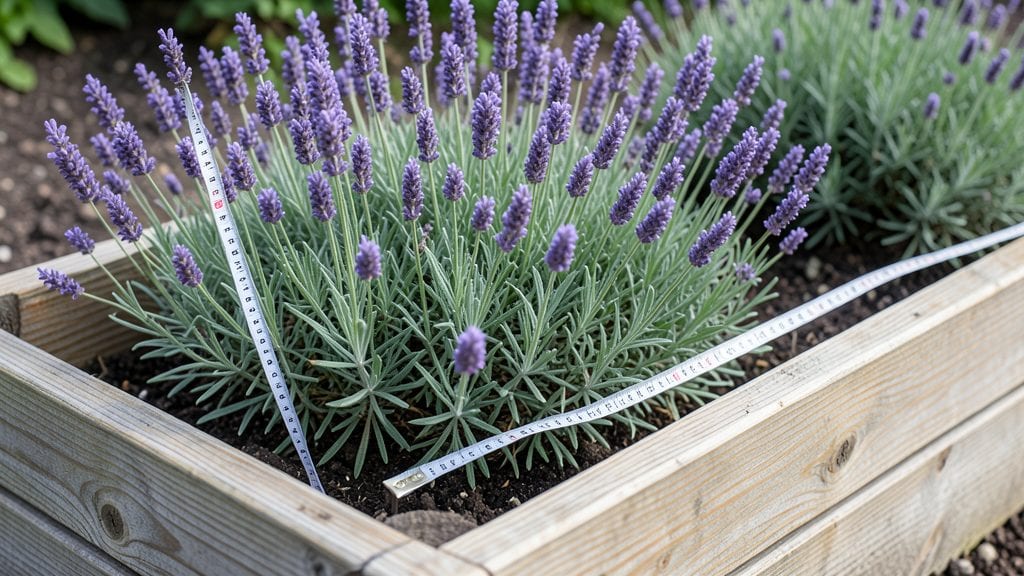
Determining garden bed measurements requires balancing plant spacing, sunlight access, and your garden's layout, with ideal widths of 3–4 feet for easy maintenance and custom lengths based on available space. Raised beds commonly use 4x8-foot frames, while in-ground beds adjust for crop needs and soil depth.
Garden bed dimensions aren't one-size-fits-all—they adapt to your plants' growth habits and your garden's practical needs. 🌱 For instance, leafy greens like lettuce thrive in tight 12-inch spacing, while tomatoes need 18-24 inches between plants to prevent disease.
Sunlight patterns also matter: taller plants should face south in the Northern Hemisphere to avoid shading smaller crops. I've found that breaking large beds into 3-foot-wide sections makes weeding and harvesting much easier, even if it means adding extra pathways between them.
Raised beds offer unique advantages like better soil control and reduced bending, which is why their 4x8-foot standard became so popular—it fits perfectly on pallets for easy transport. However, in-ground beds often stretch longer to maximize space, especially for root crops like carrots that need deeper soil.
The key is always measuring twice: once for your plants' mature size and again for your own comfort when reaching across the bed.
💡 In This Article
- How to Calculate Garden Bed Dimensions for Plant Spacing
- Best Garden Bed Sizes for Raised vs In-Ground Layouts
How to calculate garden bed dimensions for plant spacing
Calculating garden bed dimensions starts with understanding your plants' mature size and growth habits. For example, a tomato plant can spread 2-3 feet wide at maturity, while bush beans only need 4-6 inches of space.
The key is to measure from the plant's center to its outermost leaves or roots—this determines the minimum spacing between plants.
What most people don't realize is that root spread often extends beyond the visible foliage, especially for deep-rooted crops like asparagus (12-18 inches apart) or artichokes (3-4 feet apart).
Sunlight patterns dramatically affect layout choices. In the Northern Hemisphere, taller plants like sunflowers or corn should face south to avoid shading shorter crops planted to their north.
This is why many gardeners use the square-foot gardening method, where a 1x1-foot section accommodates 16 basil plants or 1 tomato plant. For row spacing, leafy greens need 6-12 inches between rows, while vining crops like cucumbers require 3-5 feet of horizontal space to sprawl.
The science here involves photosynthesis efficiency—plants need unobstructed light for 6-8 hours daily to thrive.
Companion planting principles further refine your calculations. For instance, pairing carrots (2-inch diameter roots) with onions (6-inch spacing) creates a mutually beneficial layout, as the onions deter carrot flies.
When designing beds, I recommend starting with your tallest plants along the north side, then working downward in height. This creates natural shade progression and maximizes vertical space. For example, a 4-foot-wide bed might have sunflowers on the north edge, basil in the middle, and lettuce on the south side.
Here's what's actually happening with bed dimensions: wider beds (>4 feet) create "dead zones" in the center where soil stays moist and plants compete for nutrients. Narrower beds (<3 feet) allow you to reach across from either side without stepping in the soil, which reduces compaction.
The 3-foot rule comes from ergonomics—most adults can comfortably reach 18 inches into a bed from either side, making maintenance easier. For raised beds, the standard 4x8-foot size comes from lumber dimensions (8-foot boards are common) and portability.
Consider these practical steps when calculating: First, measure your garden's available space and sunlight exposure. Then, research each plant's mature size and spacing requirements. Finally, arrange plants in groups by height and sunlight needs, leaving 18-24 inches of pathway space between beds for easy access.
For example, a 10x12-foot garden could accommodate two 4x6-foot raised beds with a 2-foot pathway between them, allowing room for a wheelbarrow to pass.
Advanced gardeners often use the plant succession method, where they calculate bed dimensions to accommodate multiple harvests. For instance, a 3x6-foot bed might start with early spring peas, followed by summer tomatoes, then fall kale.
This approach maximizes space utilization by 30-40% compared to single-crop layouts. The key is tracking each plant's growth cycle and ensuring the next crop can be planted without disturbing the current one's roots.
Remember that soil depth matters too—most vegetables need at least 12 inches of topsoil, while deep-rooted crops like potatoes require 18-24 inches. When in doubt, dig a test hole to check your soil's natural depth before finalizing bed dimensions.
This small step can prevent root-bound plants and ensure your garden's long-term health. 🌱