
Tools
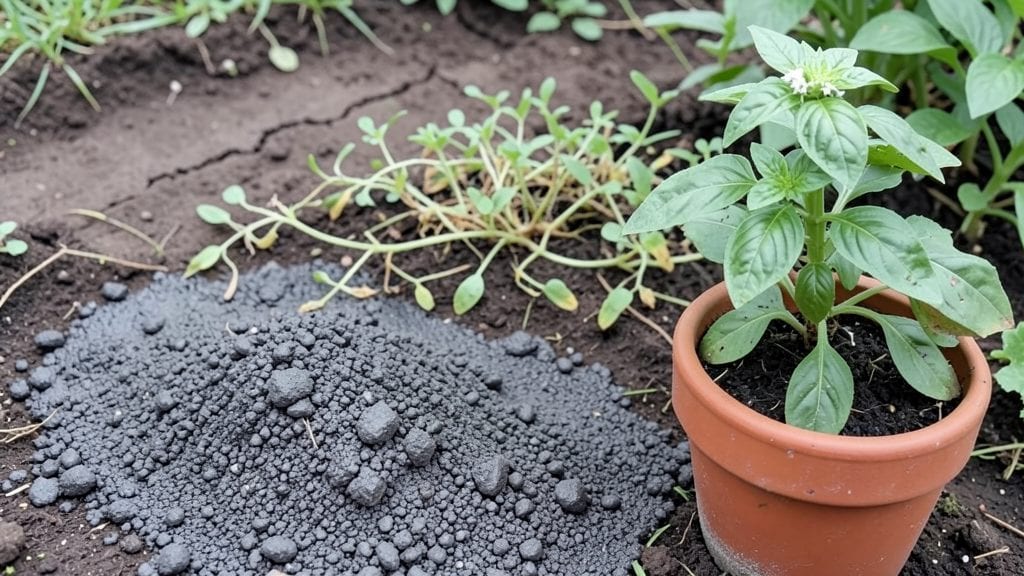
Using garden bed sealant creates a protective barrier that shields soil from erosion, locks in moisture for healthier roots, and suppresses weeds while maintaining nutrient balance. I recommend applying it in early spring or late fall after clearing debris, selecting between natural mulch or durable synthetic membranes depending on your garden's specific needs.
This protective layer works by creating a microclimate that reduces water loss through evaporation while regulating soil temperature—critical for root development. 🌱 Organic options like straw or wood chips break down over time, enriching soil with nutrients, while synthetic membranes provide long-term weed suppression and stability.
The key is matching your sealant to your garden's demands: vegetable beds thrive with mulch, while pathways benefit from landscape fabric.
For best results, always prepare the bed first by removing weeds and leveling the soil. This ensures the sealant adheres properly and delivers maximum benefits throughout the growing season. Whether you choose natural or synthetic, proper application makes all the difference in plant health and maintenance ease.
💡 In This Article
- How Garden Bed Sealants Work to Enhance Soil Health
- Best Organic and Synthetic Sealants for Different Garden Types
How garden bed sealants work to enhance soil health
Garden bed sealants create a protective barrier that fundamentally alters soil physics. The key mechanism is moisture retention—organic mulches like straw or wood chips reduce evaporation by up to 70% by creating a shaded, insulating layer.
This happens because mulch blocks direct sunlight, which would otherwise heat the soil surface and accelerate water loss. Synthetic membranes work differently by forming a physical vapor barrier that traps moisture beneath, similar to how plastic wrap preserves food freshness but with breathable properties for roots.
The weed suppression effect comes from sunlight deprivation. Most weeds need 4-6 hours of direct sunlight daily to germinate and grow. A 2-3 inch layer of mulch blocks 90% of light penetration, while synthetic fabrics achieve 95-99% effectiveness by creating a complete light barrier.
This isn't just about aesthetics—weeds compete aggressively for water and nutrients, and suppressing them means your plants get 30-50% more resources during critical growth phases.
Temperature regulation works through thermal mass effects. Organic mulches like wood chips act as natural insulators, maintaining soil temperatures within 2-5°F of ambient air temperatures. In summer, they prevent heat spikes that can stress roots, while in winter they provide 5-10°F of protection against frost.
Synthetic membranes create a different effect by reflecting sunlight during hot periods—think of it like wearing a reflective vest on a sunny day. This temperature stability is particularly crucial for shallow-rooted plants like lettuce or strawberries.
Nutrient retention happens through two mechanisms: physical stabilization and microbial activity modulation. Organic mulches break down slowly, releasing nutrients like nitrogen and potassium over 3-12 months depending on material. This creates a slow-release fertilizer effect.
Synthetic membranes don't decompose but prevent nutrient leaching by reducing water runoff—critical in sandy soils where nutrients wash away quickly. The microbial impact differs too: organic materials foster beneficial bacteria and fungi, while synthetic options maintain existing microbial communities without adding organic matter.
Here's what actually happens at the soil interface: When you apply a sealant, you're creating a microclimate where evaporation rates drop dramatically. For example, bare soil loses 0.25 inches of water per day in summer heat, while mulched soil loses only 0.05 inches.
This moisture conservation translates directly to plant health—roots can explore deeper for nutrients rather than competing at the surface. The physical structure also improves soil aeration by preventing compaction from rain or foot traffic.
Consider this comparison: A vegetable garden with straw mulch will show 20-30% higher yield than unmulched beds due to consistent moisture and reduced competition. Meanwhile, a synthetic-mulched pathway remains weed-free for 3-5 years with minimal maintenance.
The choice between organic and synthetic comes down to your priorities—nutrient enrichment vs. long-term weed control. Both create that vital protective layer where your plants can thrive without constant intervention. 🌱