
Tools
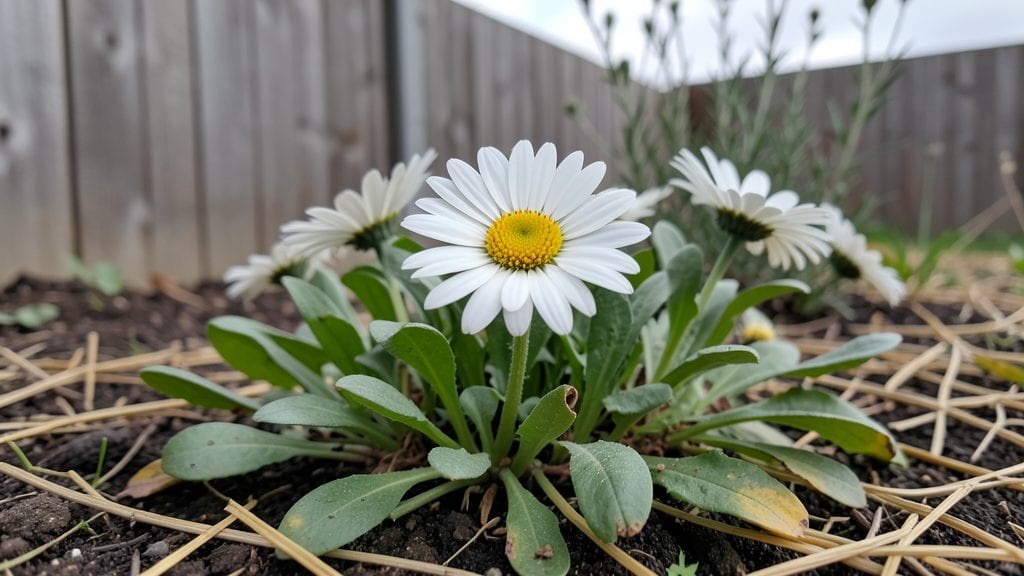
Growing the cheerful garden daisy flower transforms any sunny border into a cloud of blooms that last from spring until frost. 🌼 I’ve turned my front yard into a nonstop show of white-and-yellow daisies by following a few simple rules—starting with the right soil and spacing.
The secret isn’t complicated: these hardy plants thrive in average garden soil as long as it drains well and gets at least six hours of sun daily.
You’ll need just three things to get started: seeds or plants, a sunny spot, and a watering can. Daisies handle drought once established, but young plants need consistent moisture to take root. Plant them 12–18 inches apart in early spring or fall, and watch as they multiply effortlessly over time.
The best part? They spread without becoming invasive, making them perfect for borders, meadow-style gardens, or even containers.
By midsummer, you’ll have a carpet of blooms that attract pollinators and keep coming back all season. Prune spent flowers to encourage more blooms, and divide clumps every few years to keep them vigorous.
These daisies are tough enough to handle deer, rabbits, and even light foot traffic—ideal for high-traffic areas or family-friendly gardens.
For extra drama, pair them with lavender, catmint, or ornamental grasses. They also play well with other perennials like coneflowers and black-eyed Susans. Once you see how easy they are to grow, you’ll wonder why you didn’t fill your garden with them years ago.
📚 In This Guide
- What you need
- Instructions
- Tips and common mistakes
- Wrapping up and next steps
What you need
- ● Garden Daisy Seeds or Plants: Seeds: 1 packet (typically 500–1,000 seeds) for direct sowing.
- ● Plants: 3–5 nursery starts (for faster blooms).
- ● Well-Draining Soil: 1–2 bags of garden soil mix (or compost-enriched native soil).
- ● Sunlight: Full sun (6+ hours/day) for optimal growth.
- ● Watering Can or Hose: With a gentle spray nozzle.
- ○ Fertilizer (Optional but Helpful): Balanced 10-10-10 or slow-release granular fertilizer (1 lb per 100 sq ft).
- ● OR organic compost (2–3 inches mixed into soil).
- ● Garden Trowel: For planting seeds or transplanting.
- ● Gloves: A pair to protect your hands from thorns (some varieties have them!).
- ● Pruners: Small bypass pruners for deadheading spent blooms.
- ● Measuring Tape or Ruler: To space plants 12–18 inches apart.
- ○ Mulch (Optional): Straw or shredded bark (1–2 inches) to retain moisture.
Step-by-Step instructions for planting garden daisy flowers
Here’s my go-to method for planting daisies that thrive in sunny borders and keep blooming all season.
🌱 Step 1: Choose the Perfect Planting Spot
Daisies love full sun—at least 6-8 hours daily—so pick a spot where they’ll get plenty of light. I always check the area first by observing how much sun it gets throughout the day. If the spot is shaded by trees or buildings for part of the day, daisies will grow but may not bloom as prolifically.
Well-draining soil is a must. Test your soil by digging a 6-inch hole—if water pools instead of draining within an hour, amend the soil with 2-3 inches of compost to improve drainage. Daisies hate soggy roots, so avoid low-lying areas where water collects after rain.
🪴 Step 2: Prepare the Soil and Plant
Loosen the soil in a 12-inch diameter circle around where you’ll plant each daisy. Use a garden fork or trowel to break up compacted soil without disturbing the roots of nearby plants. Mix in 1 cup of all-purpose fertilizer (like 10-10-10) into the soil to give your daisies a nutrient boost right from the start.
Dig a hole twice as wide as the root ball but only as deep as the container it came in. Gently remove the daisy from its pot and place it in the hole, making sure the top of the root ball sits just below soil level. Fill the hole with soil, pressing lightly around the base to remove air pockets. Water deeply to settle the soil and encourage roots to spread.
☀️ Step 3: Space and Water for Healthy Growth
Space daisies 12-18 inches apart to give them room to grow and prevent overcrowding. If you’re planting in rows, keep them 18 inches apart for better airflow, which reduces the risk of fungal diseases. I like to sketch a quick layout first to visualize how they’ll fill out over time.
Water the newly planted daisies 1 inch per week, either from rainfall or supplemental watering. The first week after planting, water every 2-3 days to help the roots establish. You’ll know they’re getting enough water when the soil feels moist 1-2 inches deep—stick your finger in to check. Avoid wetting the foliage to prevent mildew.
✂️ Step 4: Maintain for Continuous Blooms
Deadhead spent blooms by snipping off the faded flowers with clean pruners or your fingers. This encourages the plant to produce more blooms instead of wasting energy on seed heads. I do this every 2-3 days during peak bloom season to keep my daisies looking fresh and flowering nonstop.
Fertilize again in 6-8 weeks with a low-nitrogen, high-phosphorus fertilizer (like 5-10-5) to promote flowering. Water before and after applying fertilizer to help it absorb into the soil. In late summer, trim back any leggy or overgrown stems to half their height to encourage a fresh round of blooms in fall.
⏰ Step 5: Winter Care for Next Year’s Blooms
In fall, cut back the stems to 2-3 inches above the ground to tidy up the garden and remove any diseased foliage. Mulch the base with 2-3 inches of shredded leaves or straw to protect the roots from freezing temperatures. Daisies are hardy and will regrow in spring, but this step ensures they come back strong.
In early spring, remove the mulch and add a 1-inch layer of compost to replenish nutrients. Water lightly to wake up the roots, and you’ll see new growth within 2-3 weeks. This simple routine keeps daisies blooming year after year with minimal effort.
Tips & tricks for perfect garden daisy flower planting
These simple strategies will help you create a thriving daisy border that keeps blooming all season long.
Sunlight Secret: The 6-8 hours of full sun mentioned in Step 1 is non-negotiable for maximum blooms. I always check sun exposure by observing the area throughout the day—morning sun is great, but afternoon sun (especially in hot climates) can scorch delicate daisy petals. If you notice browning edges, move plants to a spot with more morning sun and afternoon shade.
Soil Preparation Pro Tip: When testing drainage in Step 1, I fill the 6-inch hole with water and time how quickly it drains. If it takes longer than an hour, mix in 1 part sand to 3 parts compost to create the perfect well-draining mix. This prevents the root rot that can kill daisies—something I learned the hard way after losing my first batch!
Planting Depth Matters: In Step 2, that "just below soil level" guideline is crucial. Planting too deep can suffocate the roots while planting too high leaves them vulnerable to drying out. I use a small stick as a reference—when the root ball reaches the same level as the stick's mark, I know it's perfect. This small detail makes all the difference in establishing strong plants.
Watering Wisdom: The 1-inch weekly watering in Step 3 works perfectly in most climates, but I adjust based on weather. During our hot summers, I water every 2 days instead of waiting for the full week. The finger-check method is foolproof—if the top 1-2 inches feel dry, it's time to water. Just remember to water at the base, not over the leaves, to prevent mildew.
Pro Tips for Garden Daisy Flower
- These simple strategies will help you create a thriving daisy border that keeps blooming all season long.
- Sunlight Secret: The 6-8 hours of full sun mentioned in Step 1 is non-negotiable for maximum blooms.
- Soil Preparation Pro Tip: When testing drainage in Step 1, I fill the 6-inch hole with water and time how quickly it drains.
Frequently asked questions
Got questions about growing garden daisies?
Here are some of the most common ones—and their answers—to help you cultivate a thriving, blooming border.
When is the best time to plant garden daisies?
Plant garden daisies in early spring (after the last frost) or early fall for best results. They thrive in cool weather and can handle light frosts. If planting in summer, water deeply and keep soil moist until established to reduce stress.
How often should I water garden daisies?
Water garden daisies 1-2 times per week during their first growing season, keeping soil evenly moist but not soggy. Once established, they’re drought-tolerant and only need watering during prolonged dry spells. Pro tip: Water at the base to avoid wetting foliage, which can promote fungal diseases.
Are garden daisies prone to pests or diseases?
While generally hardy, garden daisies may attract aphids, slugs, or powdery mildew. To prevent issues, space plants 12-18 inches apart for airflow and remove debris. For pests, spray with soapy water or introduce beneficial insects like ladybugs. Fungal issues? Improve drainage and avoid overhead watering.
Can I grow garden daisies in containers?
Yes! Choose a container at least 12 inches deep with drainage holes and use well-draining potting mix. Plant 1-2 daisies per container, and place in full sun. Containers dry out faster, so water more frequently. Bonus: Container-grown daisies make stunning window boxes or patio displays!
Why aren’t my garden daisies blooming?
Lack of blooms often stems from over-fertilizing (too much nitrogen), poor sunlight, or deadheading neglect. Ensure they get 6+ hours of sun daily, trim spent blooms regularly, and use a balanced fertilizer (10-10-10) in early spring. If blooms are sparse, prune back leggy stems to encourage bushier growth.
What’s a good companion plant for garden daisies?
Pair garden daisies with lavender, catmint, or ornamental grasses for a low-maintenance, pollinator-friendly border. They also thrive near roses or shrubs to fill gaps with their cheerful blooms. Avoid planting near mint or invasive ground covers, which can compete aggressively for space.
Wrapping up and next steps
Growing garden daisies is a rewarding journey that brings endless joy with their cheerful blooms and minimal care. Whether you’re a seasoned gardener or a beginner, these sun-loving beauties thrive with just a little attention—think bright borders, pollinator-friendly spaces, and year-round interest. 🌼
Ready to transform your garden? Start by planting seeds or transplants this season, and soon you’ll be enjoying a nonstop parade of color. Next, grab your gardening gloves and head back to our step-by-step guide to get growing!