
Landscaping
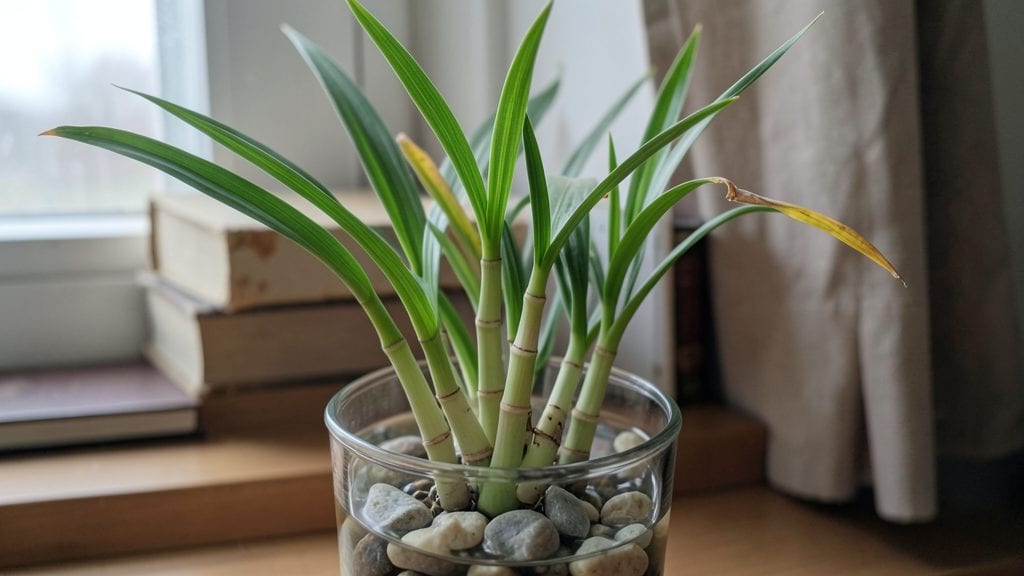
A thoughtful garden design with bamboo can turn your yard into a lush, living privacy screen—just ask me, I planted a clump last spring and watched it flourish into a summer sanctuary for my eyes (and my peace of mind). 🌿 The best part?
It stays green all year, even when other plants fade.
Not all bamboo behaves the same—running types spread aggressively, while clumping varieties stay put. For a screen, I recommend Bambusa multiplex (dwarf bamboo) or Phyllostachys aureosulcata (golden bamboo), both reliable for height control.
Plant in moist, well-draining soil and give it space to grow—most varieties reach 10-20 feet tall in just a few years.
You’ll love how bamboo softens hard lines in your yard while adding texture and movement. Pair it with evergreens for year-round structure or flowering shrubs for seasonal pops of color. Maintenance is minimal: trim back overgrowth in late winter to keep it tidy.
Works for modern, tropical, or traditional gardens—just pick the right type for your space. Whether you need a quick privacy fix or a long-term landscape feature, bamboo delivers fast results with minimal fuss.
📚 In This Guide
- What you need
- Instructions
- Tips and common mistakes
- Wrapping up and next steps
What you need
- ● Bamboo plants: Choose clumping bamboo (non-invasive) like Fargesia or Bambusa varieties. Plan for 8–12 plants per 10-foot section (spaced 3–5 feet apart for optimal growth).
- ● Soil: Well-draining, nutrient-rich mix (amend with compost or peat moss if your soil is heavy or sandy). 1–2 cubic yards per 100 sq. ft.
- ● Mulch: Organic mulch (pine straw, wood chips) to retain moisture and suppress weeds. 2–3 inches deep across the planting area.
- ● Fertilizer: Slow-release, balanced fertilizer (10-10-10 or organic options like fish emulsion). Apply at planting and mid-season.
- ● Watering system: Drip irrigation or soaker hoses (1–2 per 10-foot section) to keep roots consistently moist (especially in the first year).
- ○ Stakes or trellis: For support (optional but helpful for taller varieties). Use bamboo stakes or metal T-posts (1 per plant).
- ● Shovel or spade (for digging holes 12–18 inches deep)
- ● Garden trowel (for finer adjustments)
- ● Measuring tape (to ensure proper spacing)
- ● Gloves (to protect your hands from sharp edges)
- ● Pruners (for trimming and shaping)
- ● Wheelbarrow (for transporting soil/mulch)
- ● String and stakes (to mark planting lines for a straight screen)
- ● Erosion control fabric (if planting on a slope)
- ● Bamboo fence panels (pre-made for instant privacy)
- ● Decorative rocks or edging (to define the screen’s borders)
- ● Solar-powered lights (to highlight your bamboo at night)
- ● Root barrier fabric (if concerned about containment—use for running bamboo only)
Step-by-step instructions for designing a fast-growing bamboo privacy screen
Here's how to create a lush, year-round privacy barrier that grows faster than traditional hedges.
🌱 Step 1: Select the Right Bamboo Variety for Your Climate
Choose clumping bamboo over running types—it stays contained and won’t take over your yard. For fast growth, opt for varieties like Bambusa multiplex (dwarf bamboo) or Phyllostachys aureosulcata (yellow groove bamboo), which can grow 3-5 feet per year under ideal conditions.
Check your hardiness zone—most ornamental bamboo thrives in zones 5-10. Plant in spring or early fall when soil temperatures are mild. Avoid planting in winter, as cold soil can stunt root development. I always dig a hole twice as wide as the root ball but only as deep to prevent burying the crown.
🪴 Step 2: Prepare the Planting Site for Optimal Growth
Bamboo needs partial shade to full sun, but avoid harsh afternoon sun in hot climates—it can scorch leaves. Test your site by observing how much direct sunlight it gets between 10 AM and 2 PM. If the area stays dry and sunny all day, choose a spot with morning sun and afternoon shade.
Amend the soil with compost or well-rotted manure to improve drainage—bamboo roots rot quickly in soggy soil. I mix in a 2-inch layer of organic mulch after planting to retain moisture and suppress weeds. Avoid heavy clay soil unless you’ve amended it with sand or perlite to loosen the texture.
💧 Step 3: Plant Bamboo Correctly for Fast Establishment
Dig a hole 12-18 inches wide and just as deep as the root ball. Gently remove the bamboo from its container and loosen any circling roots with your fingers—this encourages outward growth. Place the plant in the hole so the top of the root ball sits 1 inch below soil level.
Backfill with native soil mixed with compost at a 3:1 ratio, tamping lightly to remove air pockets. Water deeply until the soil is evenly moist to a depth of 12 inches. I like to use a soaker hose for the first week to ensure roots establish without drying out. Avoid overwatering—bamboo can tolerate brief dry spells once established.
☀️ Step 4: Maintain Growth for Year-Round Privacy
Fertilize in early spring with a balanced 10-10-10 fertilizer or one high in nitrogen to encourage leafy growth. I apply ½ cup per plant and water it in immediately. Prune in late winter or early spring before new growth begins—cut back dead or weak canes to the ground to redirect energy to healthier stems.
Watch for bamboo borers or fungal issues like leaf spot, which appear as brown spots on foliage. Treat early signs with neem oil or copper fungicide. For a denser screen, plant 3-4 canes per square yard in staggered rows. Within 2-3 years, you’ll have a solid privacy barrier with minimal maintenance.
Tips & tricks for fast-growing bamboo privacy screens
Want that lush, year-round privacy screen without the decade-long wait? These insider tips will help your bamboo grow faster and stay healthier than you ever thought possible.
Variety Matters: The 3-5 feet per year growth rate only applies to clumping bamboo varieties like Bambusa multiplex or Phyllostachys aureosulcata. Running bamboo grows faster but spreads aggressively—think of it like planting a weed you can't control. I've seen clumping varieties create dense screens in just 2-3 years when given proper care, while running types can overwhelm a yard in half that time.
Timing is Everything: Planting in spring or early fall gives your bamboo roots the ideal 6-8 weeks of warm soil before winter dormancy. Cold soil in winter can stunt root development for months. I've noticed that bamboo planted in spring often sprouts new shoots within 6-8 weeks, while fall plantings establish roots quickly for early spring growth. Avoid planting in summer heat—young plants can't handle the stress.
Root Care Secrets: When loosening circling roots in Step 3, don't just pull—they'll break. Instead, gently tease them apart with your fingers like separating wet strands of spaghetti. This encourages outward growth rather than a tangled mess. I also recommend adding a handful of mycorrhizal fungi to the planting hole—it helps roots absorb nutrients more efficiently, which translates to faster growth. The 1-inch depth placement prevents crown rot while allowing roots to spread freely.
Sunlight Strategy: That 10 AM-2 PM sunlight test is crucial. If your site gets harsh afternoon sun (2 PM-6 PM), you'll need to either plant in morning sun only or provide afternoon shade. I've seen bamboo leaves scorch within days when exposed to full afternoon sun in hot climates. For maximum growth, aim for 4-6 hours of morning sun combined with afternoon shade—this balance gives you the fastest, healthiest growth while preventing leaf burn.
Pro Tips for Garden Design Bamboo
- Want that lush, year-round privacy screen without the decade-long wait?
- Variety Matters: The 3-5 feet per year growth rate only applies to clumping bamboo varieties like Bambusa multiplex or Phyllostachys aureosulcata.
- Timing is Everything: Planting in spring or early fall gives your bamboo roots the ideal 6-8 weeks of warm soil before winter dormancy.
Frequently asked questions
Got questions about using bamboo in your garden design? Here are some of the most common concerns—and their answers—to help you plan with confidence!
What’s the fastest-growing bamboo species for a privacy screen?
If you want quick results, opt for Bambusa vulgaris (common bamboo) or Phyllostachys aureosulcata (yellow groove bamboo). Both can grow 3–5 feet per year under ideal conditions, creating a lush screen in just a few seasons. Just ensure you’re planting clumping bamboo (not running types) to avoid aggressive spread.
When is the best time to plant bamboo for maximum growth?
The ideal window is early spring or late fall, when soil is workable but not frozen. This gives roots time to establish before extreme heat or cold. Avoid planting in summer’s peak—young bamboo struggles with drought stress, and winter planting may leave it vulnerable to frost damage.
How do I prevent bamboo from spreading into my neighbor’s yard?
Choose clumping bamboo (like Bambusa multiplex) over running types, which send out rhizomes aggressively. Install a 30-inch deep underground barrier (HDPE plastic or metal) to block rhizome growth. For extra peace of mind, plant in contained pots or raised beds with root barriers.
Do I need to prune bamboo, and how often?
Pruning keeps bamboo healthy and shaped! Trim dead or overgrown canes in late winter or early spring before new growth starts. For privacy screens, thin out crowded stems every 2–3 years to improve airflow and sunlight penetration. Use sterilized shears to avoid disease spread.
Are there low-maintenance bamboo alternatives for privacy?
If bamboo feels too high-maintenance, consider evergreen shrubs (like Ilex or Leyland cypress), fast-growing trees (e.g., Thuja occidentalis), or ornamental grasses (such as Pennisetum). These require less pruning but may not grow as quickly. For a bamboo-like look with less spread, try Dracaena sanderiana (lucky bamboo) in containers!
Wrapping up and next steps
Designing your garden with bamboo isn’t just about adding a stunning, fast-growing privacy screen—it’s about creating a serene, low-maintenance oasis that thrives year-round. Whether you’re drawn to its sleek elegance, eco-friendly benefits, or versatility, bamboo offers endless possibilities for transforming your outdoor space.
With the right variety, placement, and care, you’ll enjoy lush greenery that grows effortlessly while enhancing both beauty and functionality.
Ready to take the next step? Start small: sketch your design, gather your materials, and plant your first clump of bamboo. Before you know it, you’ll be sipping coffee in your private garden retreat—all thanks to nature’s fastest-growing green ally! 🌿✨