
Flowers
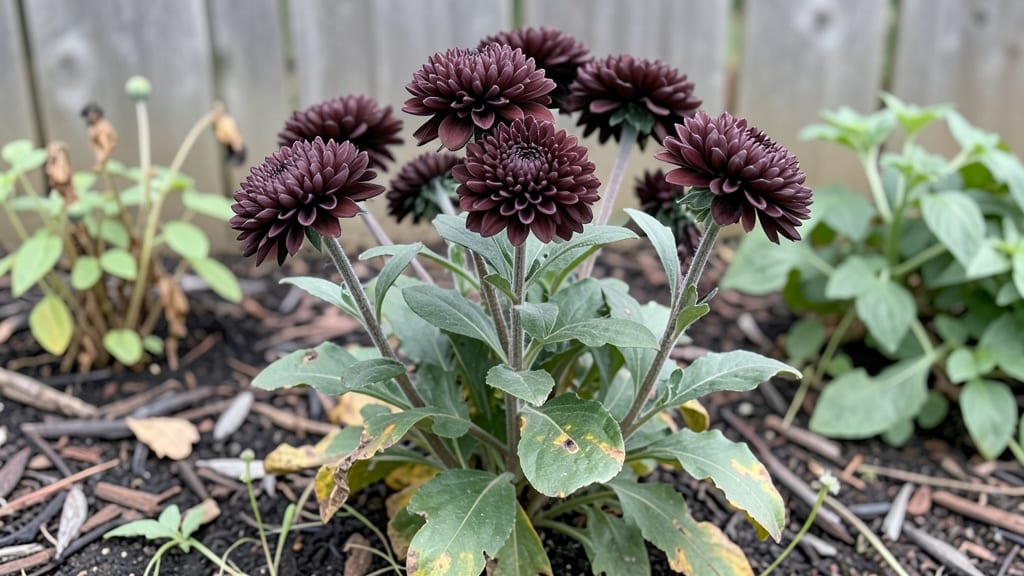
Garden fall mums 🌼 bring vibrant color to your yard when most plants fade, but their magic doesn’t have to end with autumn.
Picture this: your garden still bursting with blooms long after Halloween, even when frost nips at the edges. The secret? Timing your plantings just right and giving them the care they need to keep thriving.
Fall mums are tougher than they look—with the right soil, sun, and a little winter prep, they’ll reward you with months of color instead of just a few weeks.
I’ve learned the hard way what happens when you skip the basics, and trust me, you don’t want to make those same mistakes.
In this guide, I’ll walk you through everything from planting 4-6 weeks before frost to winterizing them for next year’s show. Ready to turn your fall garden into a year-round highlight?
How to choose and plant fall mums for maximum blooms
Fall mums (chrysanthemums) are the autumn superstars of any garden, but their vibrant blooms depend entirely on how and when you plant them. The key to long-lasting flowers starts with selecting the right varieties and timing your planting window perfectly.
I’ve learned through trial and error that 4-6 weeks before frost is the magic window for fall-blooming mums—any earlier, and they may bolt; any later, and frost steals their show.
Not all mums are created equal. Dwarf varieties like 'Little Albert' thrive in containers, while standard types such as 'Bright Lights' command attention in garden beds. Your USDA zone matters too—mums in Zone 6a need extra protection, but those in Zones 7-9 can often overwinter with minimal fuss.
I’ve found that semi-dwarf mums (1-1.5 feet tall) strike the perfect balance between impact and manageability for most home gardens.
| Variety | Height | Bloom Time | Best For |
|---|---|---|---|
| 'Little Albert' | 8-12" | Late Sept-Oct | Containers, borders |
| 'Bright Lights' | 1.5-2 ft | Oct-Nov | Garden beds, mass planting |
| 'Jolinda' | 1-1.5 ft | Sept-Oct | Cut flowers, mixed borders |
| 'Pink Lemonade' | 1.5-2 ft | Oct-Nov | Color contrast, pollinators |
Before you even dig, soil prep is non-negotiable. Mums crave well-draining, slightly acidic soil (pH 6.0-6.5). If your garden soil is heavy clay, amend it with compost and perlite to improve aeration.
I swear by a 50/50 mix of native soil and organic matter—it’s the secret to root health and vibrant blooms. A quick soil test can save you from guesswork; mums hate soggy roots but also struggle in nutrient-poor soil.
Timing your planting window is critical. For most regions, late August to mid-September gives mums enough time to establish roots before fall frosts arrive. In warmer climates (Zones 8-9), you can push planting to October, but in cooler zones (6a-7a), aim for early September at the latest.
Pro tip: Check your local frost dates and count backward—6 weeks is your golden rule for root establishment.
Spacing is often overlooked, but it directly impacts air circulation and bloom longevity. Crowded mums invite fungal diseases like powdery mildew. For dwarf varieties, space plants 12-18 inches apart; for standard mums, give them 2-3 feet of room.
I’ve seen overcrowded mums produce half the blooms of properly spaced ones—less competition means more flowers! If you’re planting in containers, use 1-gallon pots per plant and ensure drainage holes are present.
One of my biggest mistakes was planting mums in partial shade—they need full sun (6+ hours daily) to produce their best blooms. If your garden lacks sunny spots, opt for light-reflective surfaces like white gravel or mirrors to trick mums into thinking they’re getting more sun.
Another trick? Plant tall mums behind shorter ones to create a staggered bloom effect that extends your fall color show.
After planting, water deeply to settle the soil and encourage root growth. The first week is critical—keep soil consistently moist but not waterlogged. I use a soaker hose to deliver water at the base, avoiding leaf wetness that promotes disease.
Mulch with 2-3 inches of straw or shredded leaves to retain moisture and regulate soil temperature. This simple step can double your bloom time by protecting roots from temperature swings.
For maximum impact, pair mums with companion plants that thrive in similar conditions. Ornamental grasses like Miscanthus add texture, while salvias or asters extend your fall color palette. I love the
Fall mum care secrets: watering, fertilizing, and winter protection
Your fall mums can keep blooming beautifully through autumn and even survive winter with the right care. The key lies in balancing watering consistency, strategic seasonal fertilization, and smart winter protection. Let’s break down my proven techniques to keep your mums thriving when others fade.
First, watering habits make all the difference. Overwatering or letting mums dry out will stress them, especially as temperatures drop. I’ve found that deep watering in the morning (before 10 AM) prevents fungal issues while keeping roots hydrated.
Adjust your schedule as seasons change—every 3-5 days in summer shifts to every 5-7 days in fall and bi-weekly in winter.
- Step 1: Water deeply 1x/week in fall—soak soil 6 inches down to encourage root growth. Use a moisture meter to check; aim for 50% moisture.
- Step 2: Fertilize twice in fall (early September & mid-October) with 5-10-10 balanced fertilizer. Apply 1 tbsp per plant in early morning to avoid leaf burn.
- Step 3: Mulch with 3-4 inches of straw after first frost. This insulates roots and prevents frost heave while retaining moisture.
- Step 4: Wrap potted mums in burlap or use frost blankets for temps below 25°F. Never cover soil directly—it traps moisture.
- Step 5: Prune dead foliage in late winter (February) but leave healthy stems intact. This prevents disease while allowing new growth.
Fertilizing in fall is often overlooked, but it’s critical for extended blooms. I recommend a balanced 5-10-10 fertilizer applied twice: once in early September to kickstart growth and again in mid-October to sustain flowering.
Always fertilize in the early morning to avoid burning leaves, and water thoroughly afterward to help nutrients absorb.
Winter protection is where many gardeners go wrong. While mums are hardy, they still need shelter from freezing winds and frost heave. My go-to method is adding a 3-4 inch layer of straw mulch around the base after the first frost.
For potted mums, wrap them in burlap or use frost blankets when temperatures drop below 25°F. Avoid covering the soil directly—this creates a damp, disease-prone environment.
Don’t forget to prune correctly in late winter. After the worst cold passes (around February), cut back dead or brown stems to just above the soil line.
Leave any green stems intact—they’ll sprout new growth in spring. This pruning also reduces pest hiding spots and improves airflow for healthier plants.
With these watering, fertilizing, and winter protection techniques, your mums will reward you with vibrant blooms well into winter and bounce back stronger in spring. The secret? Consistency and timing—just like a well-orchestrated garden symphony. 🌼