Tools
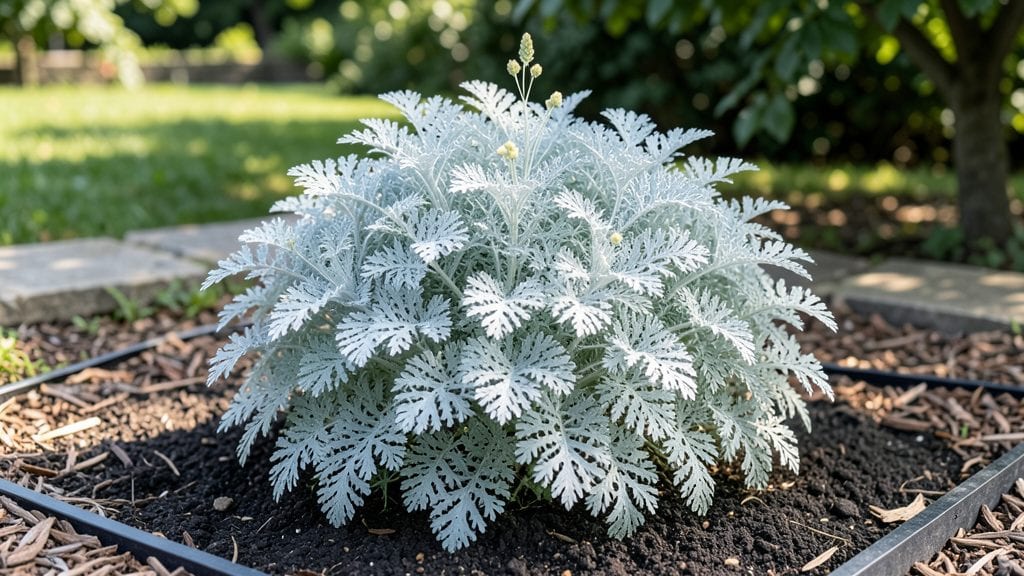
Creating a garden ghost artemisia screen turns your yard into a moody, evergreen masterpiece that thrives even when other plants wilt. 🌿 I stumbled on this trick after struggling with flimsy privacy screens—until I discovered how silvery artemisia’s airy branches cast dramatic shadows and block views without sacrificing sunlight.
The best part? It stays lush through droughts and freezes, giving you that eerie, textured look all year.
You’ll need just three key elements: mature artemisia plants (like ‘Silver King’ or ‘Powis Castle’), sturdy stakes for support, and a little pruning know-how to shape those ghostly silhouettes. I start with three-foot-tall plants spaced 18 inches apart—close enough to create a dense, fog-like barrier by midsummer.
Pair them with ornamental grasses or pumpkins for extra Halloween vibes, and watch how the silver foliage glows under moonlight.
The payoff is instant drama: a privacy screen that feels like art, not just a fence. The silvery branches sway in the breeze, casting intricate patterns on patios, while the drought tolerance means zero fuss.
By autumn, you’ll have a garden that looks like it belongs in a gothic novel—without the upkeep. Next, we’ll cover the exact spacing and pruning tricks that make this project foolproof.
Works in full sun or partial shade, and adapts to containers if space is tight. Whether you’re going for spooky season or year-round texture, this screen delivers effortless elegance—and your neighbors will ask how you did it. Let’s get those ghostly branches growing.
📚 In This Guide
- What you need
- Instructions
- Tips and common mistakes
- Wrapping up and next steps
What you need
- ● Artemisia 'Garden Ghost' plants – 5–10 plants per 3-foot section (adjust based on desired height/width). Look for healthy, established nursery-grown plants with silvery foliage.
- ● Well-draining soil – Amend clay-heavy soil with compost or coarse sand (1 part compost to 3 parts native soil) to prevent waterlogging.
- ● Organic mulch – 2–3 inches of wood chips or gravel to retain moisture and suppress weeds.
- ● Drip irrigation or soaker hose – Low-volume system (¼–½ gallon per hour) to water roots deeply without waste.
- ● Garden shovel or spade – For digging planting holes.
- ● Garden trowel – For delicate root adjustments.
- ● Measuring tape – To space plants 2–3 feet apart for optimal airflow.
- ● Pruning shears – For shaping and maintaining growth.
- ● Gloves & knee pads – Because comfort matters!
- ● Fertilizer – Balanced, slow-release granular fertilizer (10-10-10) applied once in early spring.
- ● Plant stakes or trellis – For young plants needing support in windy areas.
- ● Decorative edging – Stone or metal borders to define your privacy screen.
- ● Pest deterrents – Neem oil or companion plants (like lavender) to keep critters away.
Step-by-step instructions for planting Garden Ghost Artemisia
This drought-resistant beauty thrives with minimal fuss—here’s how to plant it for a lush, low-maintenance screen.
🌱 Step 1: Choose the Perfect Location and Prepare the Soil
Garden Ghost Artemisia loves full sun—plant in a spot with at least 6-8 hours of direct sunlight daily. It tolerates poor soil but grows best in well-draining, slightly rocky ground. If your soil is heavy clay, amend it with 1-2 inches of coarse sand or gravel to prevent root rot.
Dig a hole twice as wide as the root ball but only as deep—planting too deep can suffocate the roots. Loosen the soil at the edges of the hole to encourage root spread. This plant hates soggy feet, so avoid low-lying areas where water pools.
🪴 Step 2: Plant with Proper Spacing for a Dense Screen
Space plants 3-4 feet apart in rows 4-5 feet apart for a thick, impenetrable screen. Garden Ghost Artemisia spreads slowly but steadily, so give it room to fill in. Remove the plant from its container and gently tease the roots if they’re circling.
Place the root ball into the hole, then backfill with native soil, pressing lightly to eliminate air pockets. Water deeply right after planting to settle the soil and encourage root contact. You’ll see new growth within 2-3 weeks if conditions are right.
☀️ Step 3: Water Deeply but Infrequently
This is where Garden Ghost Artemisia earns its drought-tolerant reputation. Water deeply once a week during the first growing season to establish roots, then taper to every 2-3 weeks once established. The plant thrives on neglect—overwatering is the real enemy.
Check soil moisture by sticking your finger 2 inches deep. If it’s dry, water slowly until moisture reaches 6 inches down. Mulch with 2-3 inches of gravel or coarse bark to retain moisture and suppress weeds without smothering the plant.
✂️ Step 4: Prune for Shape and Encourage Bushiness
Light pruning in early spring keeps Garden Ghost Artemisia compact and tidy. Cut back leggy stems by one-third to encourage bushier growth. Avoid heavy pruning—this plant prefers a natural, airy form over a manicured look.
Deadhead spent flowers in late summer to redirect energy into foliage growth. If a section looks sparse, divide mature plants in early spring by digging up clumps, separating roots, and replanting. This plant spreads slowly but reliably, so division keeps it vigorous.
🌿 Step 5: Maintain Through Seasons for Year-Round Interest
Garden Ghost Artemisia stays evergreen in mild climates and turns silvery-blue in winter, adding texture when other plants fade. In colder zones, it may drop leaves but regrows quickly in spring. Fertilize lightly in early spring with a balanced, slow-release fertilizer if growth seems sluggish.
Watch for powdery mildew in humid summers—improve airflow by spacing plants properly and avoid overhead watering. With minimal care, your screen will thicken over 3-5 years, providing privacy and beauty with almost no effort.
Tips & tricks for perfect Garden Ghost Artemisia planting
Here's what nobody tells you about planting this drought-resistant beauty for a foolproof privacy screen.
Sunlight Secret: While 6-8 hours of sun is ideal, I've found that Garden Ghost Artemisia can actually handle up to 10 hours of direct sunlight in hotter climates—just monitor for leaf scorch during peak summer afternoons. If your location gets intense afternoon sun, consider planting on the east side of structures for morning light without the harsh midday rays.
Soil Preparation Tip: Don't skip the soil amendment step if you have heavy clay! I learned this the hard way after my first planting struggled in compacted soil. Mixing in 1-2 inches of coarse sand or gravel creates that perfect "rocky" texture this plant loves. You can even create raised beds with a 50/50 mix of native soil and gravel for even better drainage.
Planting Depth Watch: The "only as deep" rule is critical—planting too deep suffocates roots by preventing oxygen flow. I use a simple trick: plant so the top of the root ball sits just above ground level. This ensures proper air circulation while keeping the plant stable. After planting, gently firm the soil around the base to eliminate air pockets without compacting.
Watering Wisdom: That first deep watering after planting is crucial for root establishment, but don't overdo it. I've found that watering until moisture reaches 6 inches down creates stronger roots than frequent shallow watering. For the first growing season, set a reminder for your weekly deep watering—consistency matters more than exact timing in the first 3-4 weeks.
Pro Tips for Garden Ghost Artemisia
- Here's what nobody tells you about planting this drought-resistant beauty for a foolproof privacy screen.
- If your location gets intense afternoon sun, consider planting on the east side of structures for morning light without the harsh midday rays.
- Soil Preparation Tip: Don't skip the soil amendment step if you have heavy clay!
Frequently asked questions
Got questions about Garden Ghost Artemisia? You’re not alone! Here are some of the most common ones—plus quick, practical answers to help you grow this stunning, low-maintenance plant with confidence.
Is Garden Ghost Artemisia really drought-tolerant?
Once established, this silvery-blue beauty thrives with minimal water—just 1 inch per week (including rainfall). Overwatering is the real enemy, as it can lead to root rot. Pro tip: Mulch lightly to retain moisture while preventing soggy soil.
When is the best time to plant Garden Ghost Artemisia?
Spring or early fall are ideal! Planting in spring gives roots time to establish before summer heat, while fall planting avoids intense midday sun. Avoid extreme heat or frost—Garden Ghost prefers USDA Zones 5-9.
Can I use Garden Ghost Artemisia as a hedge or privacy screen?
Yes! It’s perfect for hedges—just space plants 2-3 feet apart for a dense screen. Prune lightly in early spring to encourage bushier growth. Bonus: Its silvery foliage adds texture year-round, even in winter!
Are there any pests or diseases I should watch for?
Generally pest-free, but watch for aphids or spider mites in dry conditions. Treat with neem oil if needed. Diseases? Rare, but poor drainage can cause root rot. Ensure well-draining soil to keep it thriving.
What if my Garden Ghost Artemisia turns brown or leggy?
Brown tips? Likely underwatering or sunburn (if newly planted). Leggy growth? It’s craving more light—move to a sunnier spot. Fix it: Trim back overgrown stems to encourage fuller regrowth.
Wrapping up and next steps
Incorporating Garden Ghost Artemisia into your landscape isn’t just about adding a stunning, low-maintenance plant—it’s about crafting a resilient, year-round privacy screen that thrives with minimal effort. Whether you’re drawn to its silvery foliage, drought tolerance, or adaptability, this plant proves that beauty and sustainability go hand in hand. 🌿
Ready to transform your space? Start by gathering your materials, sketch a simple layout, and dive in—your future self (and your garden!) will thank you.