Tools
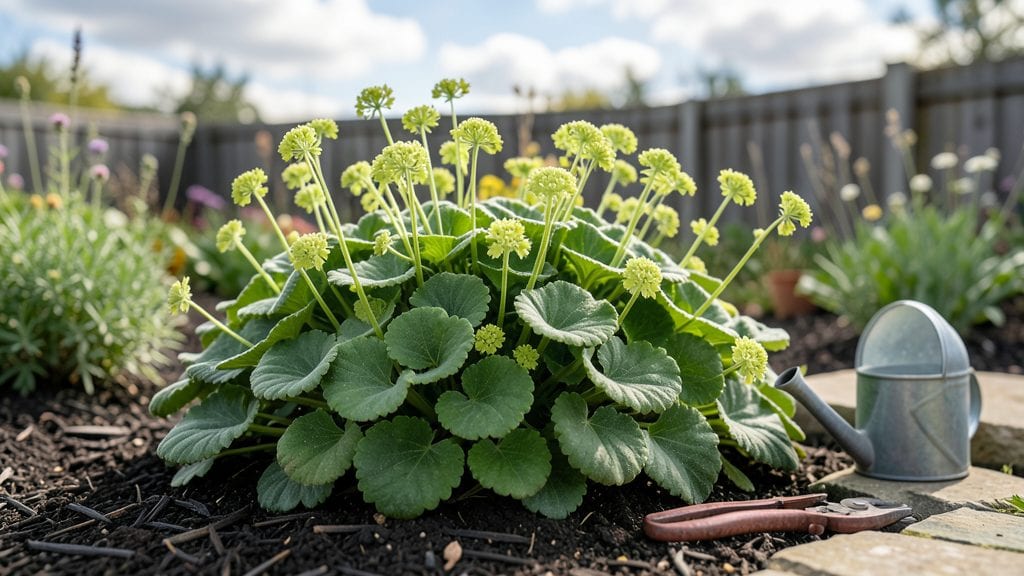
Transforming your yard into a year-round privacy screen with velvety foliage and delicate chartreuse blooms starts with garden lady's mantle. ✨ I planted mine last spring, and by summer, it had already formed a dense, lush barrier that looks stunning even in winter—no other plant does that quite like it.
The secret lies in its adaptability: it thrives where many plants fail, making it the perfect choice for problem spots.
This plant is a foolproof ground cover that handles shade, drought, and even rocky soil better than most. You’ll need well-draining soil (even clay works if amended) and partial shade, though it tolerates full sun in cooler climates.
Water it regularly the first year to establish roots, then let nature take over—it’s surprisingly drought-tolerant once settled. Prune back leggy stems in early spring to keep it compact and encourage fresh growth.
By late summer, you’ll be rewarded with velvety chartreuse blooms that catch the light like tiny lanterns, and the foliage stays vibrant through frost. It’s the kind of plant that makes neighbors stop and ask, “What’s that?”—then you get to brag about its low-maintenance magic.
The best part? It spreads slowly but steadily, filling gaps without becoming invasive.
Works beautifully as a living waterfall in containers, a cascading ground cover under trees, or a dense hedge along property lines. Once established, it’s nearly indestructible—ideal for busy gardeners who still want drama. Let’s get yours growing!
📚 In This Guide
- What you need
- Instructions
- Tips and common mistakes
- Wrapping up and next steps
What you need
- ● Lady’s Mantle Plants: 3–5 mature nursery-grown plants (1–2 ft tall) for quick coverage, or
- ● Organic seeds (start indoors 8–10 weeks before last frost for spring planting)
- ● Soil: Well-draining, moisture-retentive soil (amend with compost or peat moss if your soil is sandy or clay-heavy).
- ● Mulch: 2–3 inches of organic mulch (shredded bark, straw, or leaf mold) to retain moisture and suppress weeds.
- ● Garden Tools: Trowel or hand shovel (for transplanting seedlings)
- ● Pruners (sterilized, for shaping and maintenance)
- ● Garden fork (to loosen soil before planting)
- ● Measuring tape or stakes (to mark spacing)
- ○ Optional (but helpful!): Soaker hoses or drip irrigation (for consistent moisture)
- ● Garden gloves (to protect hands from prickly stems)
- ● Compost tea or liquid fertilizer (for a nutrient boost)
- ● Location: Partial to full shade (avoid harsh afternoon sun). Ideal for under trees or along north-facing walls.
- ● Spacing: Plant 12–18 inches apart for a dense, lush screen (closer for quicker fill-in).
- ● Climate: Hardy in USDA Zones 3–8 (cold-hardy and drought-tolerant once established!).
How to plant and maintain garden lady's mantle for year-round privacy
This evergreen shrub thrives with minimal fuss—here's how to establish a lush, living barrier.
🌱 Step 1: Choose the Perfect Planting Site
Lady's mantle prefers partial shade to full sun but tolerates deep shade for northern exposures. Test your spot by observing how much sunlight it receives between 10 AM and 4 PM—this is the critical window for growth. The ideal location offers 4+ hours of dappled light while protecting from harsh afternoon rays.
Dig a hole twice as wide as the root ball but only as deep as the container it came in. This prevents settling issues later. Amend the native soil with 1-2 inches of compost mixed into the bottom of the hole—this improves drainage and provides nutrients without overwhelming the plant.
🪴 Step 2: Plant with Proper Spacing for Full Privacy
For a 4-foot-tall screen, space plants 3-4 feet apart in rows 4-5 feet apart. This creates a dense, impenetrable barrier within 3-5 years without overcrowding. Remove the shrub from its container and gently loosen the roots if they're circling.
Place the plant in the hole so the top of the root ball sits level with the surrounding soil. Fill the hole with native soil, pressing lightly to eliminate air pockets. Water deeply until moisture reaches 6 inches down—this helps roots establish quickly. Mulch with 2-3 inches of shredded bark to retain moisture and suppress weeds.
☀️ Step 3: Water and Fertilize for Establishment
Water once weekly for the first two months, providing 1-2 gallons per plant each time. Check soil moisture by pushing a finger 2 inches deep—if it feels dry, water again. Avoid soggy soil, which can cause root rot. Lady's mantle is drought-tolerant once established but needs consistent moisture during its first growing season.
Apply a balanced, slow-release fertilizer (10-10-10) in early spring and again in mid-summer. Use ½ teaspoon per plant to avoid overfeeding. This encourages lush foliage without excessive growth that can make the plant leggy. Prune back any flower spikes in early summer to redirect energy into leaf production.
✂️ Step 4: Prune and Maintain for Year-Round Density
Prune in late winter or early spring before new growth begins. Remove 1/3 of the oldest stems at the base to encourage fresh, vigorous growth. This also prevents the center from becoming woody and sparse. Trim any leggy or crossing branches to maintain an open, airy structure that resists disease.
Fertilize lightly in fall with a low-nitrogen formula (5-10-10) to prepare for winter. This helps the plant store energy for next year's growth. Lady's mantle is pest- and disease-resistant, so you'll rarely need interventions—just occasional pruning to keep the screen looking tidy.
⏰ Step 5: Winter Care for Evergreen Beauty
Mulch heavily with 3-4 inches of shredded leaves or bark before the first frost. This insulates the roots and protects against temperature fluctuations. Water monthly in winter if rainfall is minimal, keeping the soil slightly moist but not wet. The evergreen foliage provides year-round privacy, but a light dusting of snow can make it look even more lush.
Check for winter burn (brown leaf edges) in early spring. If you see it, trim affected areas and fertilize lightly to encourage new growth. Lady's mantle is cold-hardy, so minimal winter care is needed—just a little extra mulch and occasional watering to keep it thriving.
Tips & tricks for perfect garden lady's mantle privacy screens
Creating a lush, impenetrable privacy barrier with garden lady's mantle takes just a few strategic moves—here's what I've learned after years of trial and error.
Site Selection Secret: The 10 AM to 4 PM sunlight window is non-negotiable for optimal growth. If your yard only gets morning sun, choose a northern exposure spot where the plant can tolerate deeper shade. I've found that even in shady areas, lady's mantle still thrives as long as it gets that critical 4+ hours of dappled light—just don't expect the same rapid growth as sun-loving varieties.
Planting Depth Matters: Never bury the root ball deeper than its container level—this is one of the most common mistakes that leads to poor establishment. The top of the root ball should sit level with the surrounding soil. I've seen plants struggle when planted too deep, as it can cause root suffocation. After planting, press the soil gently but firmly to eliminate air pockets that could hinder root growth.
Watering Wisdom: That 2-inch soil moisture check is your best friend during establishment. While lady's mantle is drought-tolerant once mature, the first two months are critical. I've learned that watering deeply once weekly (1-2 gallons per plant) is better than light, frequent watering, which can encourage shallow root systems. The key is keeping that top 2 inches consistently moist without creating soggy conditions.
Pruning Strategy: When you're removing 1/3 of the oldest stems in late winter, don't just grab any branches—target the thickest, woody stems at the base. This rejuvenation pruning is what creates that dense, bushy growth you're after. I've found that timing is everything—doing it before new growth begins gives the plant maximum time to recover and produce fresh, vigorous shoots.
Pro Tips for Garden Lady'S Mantle
- Creating a lush, impenetrable privacy barrier with garden lady's mantle takes just a few strategic moves—here's what I've learned after years of trial and error.
- Site Selection Secret: The 10 AM to 4 PM sunlight window is non-negotiable for optimal growth.
- Planting Depth Matters: Never bury the root ball deeper than its container level—this is one of the most common mistakes that leads to poor establishment.
Frequently asked questions
Got questions about growing and maintaining Alchemilla mollis (Garden Lady’s Mantle)? Here are answers to the most common ones to help you create a stunning, low-fuss privacy screen:
When is the best time to plant Garden Lady’s Mantle for year-round privacy?
Plant in early spring (after the last frost) or early fall for the best establishment. This gives roots time to settle before harsh winter or summer conditions. Avoid planting in peak heat—it can stress young plants! For fastest privacy, space them 18–24 inches apart in rows 2–3 feet apart.
How much water does Lady’s Mantle need, and can it handle drought?
While drought-tolerant once established, water deeply 1–2 times per week for the first year to encourage root growth. After that, it thrives on occasional watering (about once every 2–3 weeks). Mulch with 2–3 inches of organic matter (like shredded bark) to retain moisture and suppress weeds. Pro tip: Overwatering can cause root rot, so ensure well-draining soil!
Do I need to prune Lady’s Mantle, and how often?
Pruning is minimal but helps maintain shape and encourage bushiness. Cut back dead or leggy stems in early spring before new growth appears. For a neater look, trim back by 1/3 in late summer after flowering. Avoid heavy pruning—this plant thrives on its natural, slightly wild charm! Warning: Never prune in winter, as it can damage tender new growth.
Are there any pests or diseases I should watch for with Lady’s Mantle?
Lady’s Mantle is highly resistant to pests and diseases, but you might encounter:
- Aphids: Spray with water or use insecticidal soap if clusters appear.
- Powdery mildew: Improve airflow by spacing plants properly and avoid overhead watering.
- Leaf spot: Remove affected leaves and ensure good drainage.
If issues arise, trim infected areas immediately and avoid wetting foliage during watering. Most problems stem from overcrowding or poor drainage!
What are some low-maintenance alternatives if Lady’s Mantle isn’t available?
If you’re looking for other evergreen or semi-evergreen privacy screens with similar ease of care, consider:
- Dwarf Ninebark (Physocarpus opulifolius) : Tough, fast-growing, and handles pruning well.
- Boxwood (Buxus) : Dense, slow-growing, and great for formal hedges.
- Inkberry Holly (Ilex glabra) : Native, deer-resistant, and thrives in shade.
- Russian Sage (Perovskia atriplicifolia) : Drought-tolerant and adds height with silvery foliage.
Each offers a mix of privacy, texture, and minimal upkeep—perfect for busy gardeners!
Wrapping up and next steps
Garden Lady’s Mantle is your secret weapon for effortless, year-round privacy—lush, hardy, and packed with charm! Whether you’re shielding your space from prying eyes or simply craving a low-fuss, high-impact garden feature, this beauty thrives with minimal care while delivering maximum impact. 🌿✨
Ready to transform your outdoor space? Start small with a single plant or go bold with a full hedge—your future self (and neighbors!) will thank you. Grab your gloves, pick a spot, and let nature do the rest!
- 🌱 Next step: Research local nurseries or online retailers to find your perfect Lady’s Mantle variety.
- 📅 Pro tip: Plant in early spring or fall for the best establishment.