
Pests
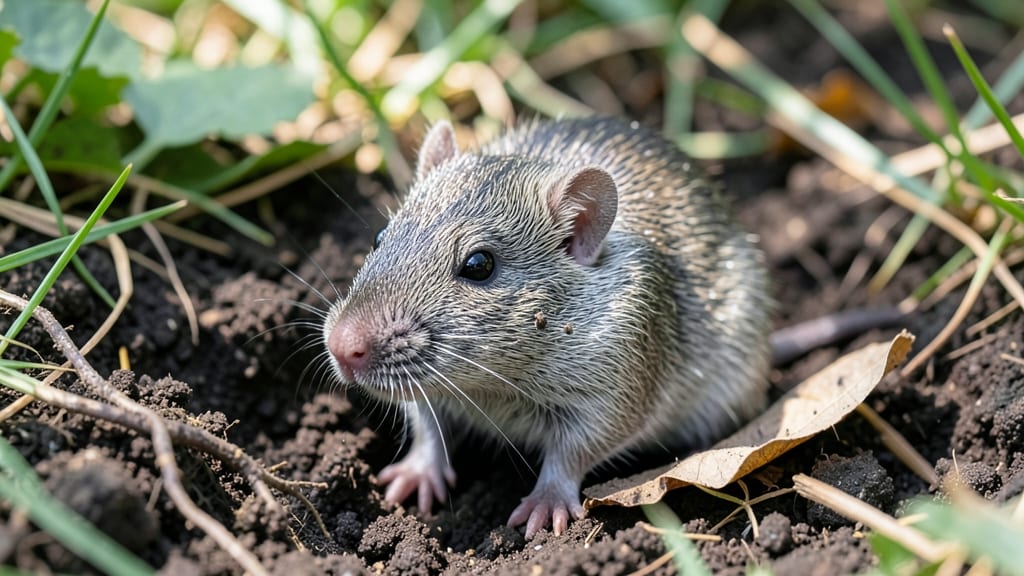
My garden moles removal strategy starts with humane traps that actually work—no poison, no harm to pets or wildlife. After spending years watching tunnels ruin my carefully cultivated beds, I finally found a method that keeps my yard mole-free while protecting the ecosystem.
The key is understanding what attracts them in the first place: moist, loose soil and a steady supply of grubs and worms.
Most people reach for toxic baits, but those create bigger problems—dead moles, contaminated soil, and even secondary poisoning. Instead, I use scissor traps placed at tunnel entrances, baited with peanut butter or worms.
It takes patience, but within 3-5 days, you’ll have the moles relocated safely. The best part? Your garden stays intact, and the soil remains healthy for planting.
Once the moles are gone, the real transformation begins. No more raised ridges or chewed bulbs—just smooth, workable soil ready for new seeds. I’ve seen gardens go from frustratingly damaged to thriving in just one season after proper mole removal.
The secret? Combine traps with preventive measures like castor oil sprays and surface barriers to keep them from returning.
This approach works year-round, whether you’re dealing with a sudden infestation or trying to protect your spring planting. The tools are affordable, the method is proven, and the results speak for themselves. Let’s get those tunnels filled back in with roots, not moles.
The Hidden Triggers Behind Mole Visits
Your garden isn’t just a beautiful space—it’s an all-you-can-eat buffet for hungry moles. 🍽️ These subterranean critters don’t dig tunnels out of boredom or spite; they’re following a mix of instinct, survival needs, and environmental cues.
Understanding why moles invade your yard is the first step to outsmarting them. Below, we break down the science-backed reasons these burrowing pests show up uninvited—and what you can do to address the root causes.
🐛 1. Food availability: your soil is a snack bar
Moles are insectivores, meaning their diet consists almost entirely of grubs, worms, beetle larvae, and other soil-dwelling invertebrates. If your garden is a hotspot for these critters, moles will relentlessly patrol your lawn like a food truck parking lot. Here’s why your yard might be a mole magnet:
- Rich, Moist Soil: Moles thrive in soil with high organic matter (think compost, leaf litter, or overwatered grass). This environment breeds worms and grubs, creating a mole’s dream buffet. Actionable fix: Reduce excessive watering and aerate compacted soil to disrupt their food source.
- Grub Infestations: Japanese beetle grubs, white grubs, and other larvae are mole favorites. If your lawn has had recent pest control issues (or none at all), moles will move in to clean up the mess. Actionable fix: Test your soil for grubs or apply organic grub control (like milky spore or nematodes) before targeting moles.
- Seasonal Surges: Moles are most active in spring and fall when soil insects hatch or become dormant. A sudden spike in mole activity? It’s likely a response to a temporary grub boom. Actionable fix: Monitor mole activity seasonally and address grub populations preemptively.
Pro Tip: 💡 Spread diatomaceous earth (food-grade) over your lawn—it dehydrates grubs and deters moles without chemicals.
🌱 2. Loose, aerated soil: the perfect tunnel system
Moles don’t just dig randomly—they’re engineers creating efficient underground networks. They prefer soil that’s easy to excavate, which is why they’re often found in:
- Loamy or Sandy Soil: These textures are like mole playgrounds—lightweight and easy to move. Clay soil, on the other hand, is harder to dig, so moles avoid it unless food is abundant. Actionable fix: If your soil is ideal for moles, consider amending it with compost or sand to make it less hospitable (but avoid overdoing it—balance is key!).
- Disturbed Ground: Recent digging (for plants, irrigation, or construction) creates fresh, loose soil that moles love. They’ll claim these areas as their own real estate. Actionable fix: Fill new holes with gravel or sharp-edged materials (like crushed rock) to deter digging.
- Mulch and Leaf Litter: Thick layers of organic debris create hidden tunnels and attract insects, luring moles deeper into your yard. Actionable fix: Keep mulch 3–4 inches thick max and avoid piling leaves in one spot.
Fun Fact: 🌡️ Moles can dig up to 15 feet of tunnel per hour—so if you see fresh mounds, they’re likely using your yard as a superhighway.
🏡 3. Human activity: accidental mole magnets
Sometimes, moles don’t choose your yard—they’re displaced by human actions. Here’s how we unintentionally invite them:
- Overwatering Lawns: Excess moisture softens soil and boosts insect populations. Moles seek out these soggy, bug-rich zones. Actionable fix: Water deeply but infrequently (1–1.5 inches per week) and improve drainage in low spots.
- Chemical Pesticides: Broad-spectrum pesticides kill off moles’ natural predators (like birds, toads, and snakes) and can also wipe out their food sources (grubs), forcing them to relocate. Actionable fix: Opt for targeted, organic pest control to preserve the ecosystem balance.
- New Construction or Landscaping: Digging for foundations, patios, or gardens exposes moles to the surface, making them vulnerable to predators or traps. They’ll then seek safer, undisturbed areas—often your neighbor’s (or your own) yard. Actionable fix: If you’re landscaping, temporarily relocate moles (with humane traps) before disturbing their tunnels.
Warning: ⚠️ Never use poison baits—they can kill moles slowly and harm pets, wildlife, and even children who might dig in treated areas.
🌿 4. Lack of natural predators: the ecosystem imbalance
In a healthy ecosystem, moles are kept in check by predators like:
- Owls
- Foxes
- Coyotes
- Snakes
- Large birds (e.g., hawks, crows)
But when humans eliminate these predators (through habitat destruction, pesticides, or overhunting), moles reproduce unchecked. Even if your yard isn’t their first choice, they’ll move in if the competition is gone.
Actionable Fix: 🎯 Support local wildlife by:
- Installing owl or bat houses to attract natural mole hunters.
- Avoiding rodenticides that can poison predators.
- Planting native shrubs to provide cover for snakes and birds.
Natural Ways to Evict Garden Moles
Dealing with garden moles can feel like a losing battle—until you know the right tactics. These burrowing pests may seem harmless, but their tunnels can damage lawns, disrupt irrigation, and even attract predators like owls or snakes. The good news?
You don’t need harsh chemicals or lethal traps to send them packing. Below are practical, humane, and effective solutions tailored to the root causes of their presence, plus prevention tips to keep them from returning.
🔥 If Moles Are Drawn to Your Lawn’s Grubs or Insects
Moles primarily feast on grubs, beetles, and worms—not plants or roots. If your yard is a buffet for their favorite snacks, they’ll stick around. Break the cycle with these steps:
🍳 Step 1: Reduce the Food Supply
- Apply organic grub control like beneficial nematodes or milky spore powder to your lawn. These natural predators target Japanese beetle grubs without harming plants or pets.
- Encourage natural predators—birds, toads, and hedgehogs love eating grubs. Install a birdhouse or create a small pond to attract these helpers.
- Avoid over-fertilizing your lawn, especially with nitrogen-heavy fertilizers. Grubs thrive in rich soil, so moderation is key.
👨🍳 Step 2: Use Castor Oil as a Deterrent
Moles dislike the taste and smell of castor oil. Mix 2 tablespoons of castor oil with 1 gallon of water and spray it around active tunnels and molehills.
Reapply every 2–3 days for best results. Pro tip: 💡 Add a few drops of dish soap to help the solution stick to the soil.
🥘 Step 3: Plant Mole-Repelling Ground Covers
Certain plants naturally repel moles due to their strong scents. Try planting:
- Garlic
- Daffodils
- Alliums (like chives or onions)
- Marigolds
These act as a scent barrier while also enhancing your garden’s beauty.
🔪 If Moles Are Digging Tunnels for Shelter
Moles create tunnels for nesting and escaping predators. If your yard has loose, moist soil or dense root systems, it becomes an inviting hideout. Make your property less appealing with these fixes:
⏰ Step 1: Install Humane Traps
Skip the lethal options and opt for live-release traps, like the Victor Mole Trap or Tomahawk Mole Catcher. These traps are designed to catch moles alive so you can relocate them far from your property (at least 1–2 miles away).
- Set traps along active tunnels (not molehills—they’re just exits!).
- Check traps daily and release moles immediately in a wooded area.
- Bait with worms or grubs for faster results.
🌱 Step 2: Improve Lawn Drainage
Moles love damp, poorly drained soil. Fix waterlogged areas by:
- Installing a French drain or swale to redirect water.
- Aerating your lawn in spring or fall to reduce compaction.
- Using sand or compost to improve soil texture in problem areas.
🎯 Step 3: Create Physical Barriers
For high-value gardens or young trees, bury hardware cloth (¼-inch mesh) 2 feet deep around the perimeter. Moles won’t dig through it, but it’s invisible to plants once covered with soil.
✨ Prevention Tips to Keep Moles Away Long-Term
An ounce of prevention is worth a pound of molehills! Implement these strategies to discourage moles from moving in:
- Keep your lawn healthy: Moles target weak, grub-infested grass. Mow regularly, overseed bare spots, and water deeply but infrequently.
- Use ultrasonic repellents: Devices like the Neatmaster Ultrasonic Mole Repeller emit high-frequency sounds that moles dislike (though effectiveness varies).
- Regularly inspect tunnels: Fill in fresh molehills with soil to discourage further digging. Use a garden rake to smooth the area.
- Avoid overwatering: Soggy soil attracts moles. Use drip irrigation or soaker hoses to keep moisture even.
- Encourage natural mole predators: Owls, foxes, and snakes help control mole populations. Install owl boxes or create a wildlife-friendly habitat in your yard.
With patience and the right approach, you can evict moles without harm while keeping your garden thriving. The key is combining food removal, habitat disruption, and prevention—no chemicals or cruelty required!
Frequently asked questions
How do I know if moles are damaging my garden?
Look for small, raised ridges in your lawn or garden beds—these are mole tunnels. You may also spot freshly turned soil mounds near tunnel entrances. Check for disrupted root systems or damaged bulbs if plants appear stunted or wilted unexpectedly. Moles don’t eat plants, but their digging can uproot seedlings or block water flow.
Are humane traps effective for garden moles?
Yes! Scissor-style traps like the Victor Mole Trap are highly effective when placed along active tunnels, not molehills. Use worms or grubs as bait and check traps daily. Release captured moles at least 1-2 miles away in a wooded area. This method works in 3-5 days for noticeable results.
Can I use castor oil to keep moles away?
Mix 2 tablespoons of castor oil with 1 gallon of water and spray it around tunnel areas. The strong scent deters moles. Reapply every 2-3 days for best results. For extra hold, add a few drops of dish soap. This natural repellent works well alongside traps.
Why do moles keep returning after removal?
Moles often return because your yard still offers ideal conditions: grubs, loose soil, or moisture. Focus on reducing food sources (like grubs) and improving drainage. Plant mole-repelling plants like garlic or daffodils as a long-term barrier. Prevention is key!
Is it safe to use poison for garden moles?
No—poison baits are hazardous to pets, wildlife, and even children who might dig in treated soil. They also create slow, painful deaths for moles. Stick to humane traps or natural deterrents like castor oil. Your garden—and the ecosystem—will thank you!