
Tools
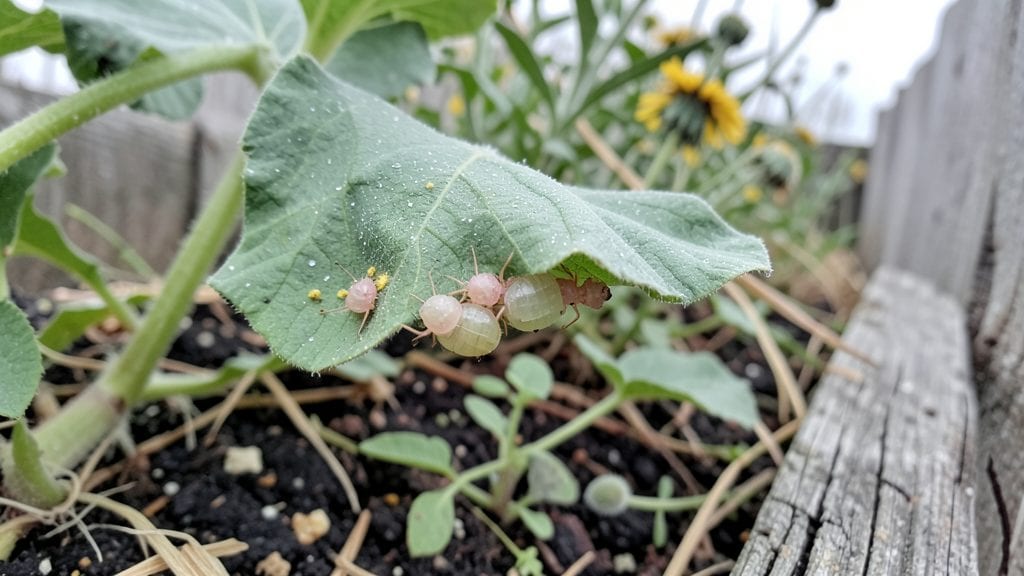
Tiny garden pests like aphids and spider mites can turn your thriving plants into skeleton leaves overnight. 🌱 I’ve battled these minuscule invaders for years, and the key isn’t harsh chemicals—it’s clever, humane traps that protect your plants and the helpful bugs that keep your garden balanced.
The worst part? Most store-bought sprays kill everything—even the ladybugs that eat your pests. My go-to traps use simple household items like yellow sticky cards, soapy water sprays, or even a DIY beer trap for fungus gnats. These methods work fast without poisoning your soil or pollinators.
You’ll see results in 24-48 hours—less sticky residue on leaves, fewer tiny webs, and plants that bounce back stronger. The best part? These traps are reusable, budget-friendly, and safe for kids and pets to handle.
Works for vegetable gardens, houseplants, and container setups—no matter how small your space. Let’s get those pests out for good without the guilt.
Root Causes Of Garden Invaders
Tiny garden pests—like aphids, slugs, or spider mites—don’t just appear out of nowhere. Their presence is usually a sign of an imbalance in your garden’s ecosystem. Understanding why these critters show up is the first step to preventing them without resorting to harsh chemicals.
Let’s break down the most common triggers, backed by science, so you can address the real problem.
Plants under stress—whether from drought, poor soil, or overcrowding—release chemical signals that attract pests. Here’s how it works:
- Weakened defenses: Healthy plants produce natural repellents (like volatile organic compounds), but stressed plants can’t. For example, aphids target plants with high sucrose levels, which thrive when roots are starved of nutrients.
- Water stress: Drought-stressed plants exude sticky honeydew, a magnet for ants and fungal growth—both of which create ideal conditions for soft-bodied pests like mealybugs.
- Overcrowding: Compacted soil and poor airflow reduce plant resilience. Fungal pests (e.g., powdery mildew) spread faster in humid, shaded conditions, often luring mites and thrips.
Actionable fix: Space plants for airflow, mulch to retain moisture, and test soil pH (aim for 6.0–7.0 for most veggies). Pro tip: 🌡️ Use a soil moisture sensor to avoid over/under-watering.
Pests thrive in clutter. Leaves, debris, and old plant matter create hiding spots and breeding grounds. Here’s the science:
- Moisture traps: Decaying organic matter (e.g., dead leaves) holds water, fostering slug eggs and fungal spores. Slugs, for instance, lay 20–40 eggs per clutch in damp soil.
- Food sources: Fallen fruit or overripe veggies attract fruit flies (Drosophila), which then spread to healthy plants. Even one rotting tomato can produce 100+ flies in a week.
- Hibernation havens: Pests like overwintering beetles burrow into mulch or leaf litter, emerging when conditions warm up.
Actionable fix: Clear debris weekly, especially after rain. Use straw mulch (not wood chips) to deter slugs—it’s drier and less appealing. Pro tip: ✨ Compost piles should be hot (140°F+) to kill pest eggs.
Pests are weather-dependent. Changes in temperature, humidity, or rainfall create perfect conditions for outbreaks:
| Pest | Trigger | Why It Works |
|---|---|---|
| Spider mites | Dry, hot weather | Low humidity (30% or less) causes plants to wilt, stressing them and making them sweeter—a mites’ favorite. |
| Fungus gnats | Overwatered soil | Larvae thrive in anaerobic (oxygen-poor) soil, common in soggy containers. |
| Cutworms | Cool, wet springs | Moist soil softens stems, making young plants easy targets for nocturnal feeding. |
Actionable fix: Monitor humidity levels (aim for 40–60%) and adjust watering. Pro tip: 💡 Use drip irrigation to keep foliage dry, reducing fungal spores.
Pests surge when their natural predators vanish. Here’s how human activity tips the balance:
- Pesticide use: Broad-spectrum sprays kill beneficial insects (like ladybugs or lacewings) faster than pests. For example, neonicotinoids can linger in soil for years, harming pollinators.
- Monoculture gardening: Planting the same crop repeatedly (e.g., roses or tomatoes) depletes soil nutrients and attracts specialist pests like Japanese beetles.
- Lack of biodiversity: Gardens with only annuals offer no habitat for predator insects (e.g., ground beetles) that hunt caterpillars.
Actionable fix: Plant companion flowers (e.g., marigolds, alyssum) to lure predators. Pro tip: 🎯 Leave some “wild” areas—leaf litter and bare soil provide shelter for beetles and spiders.
Sometimes, we accidentally invite pests. Common mistakes include:
- Bringing them home: Infested plants, soil, or even firewood can introduce pests like emerald ash borers or whiteflies.
- Using contaminated tools: Pruners or shovels can transfer disease spores or pest eggs between plants.
- Ignoring early signs: A few holes in leaves? That’s cabbage worms signaling a future outbreak if unchecked.
Actionable fix: Quarantine new plants for 2 weeks and sterilize tools with 70% rubbing alcohol. Pro tip: 🔥 Inspect undersides of leaves daily—pests like thrips lay eggs there first.
Quick Fixes for Tiny Garden Invaders
Dealing with tiny garden pests can feel like a never-ending battle, but the good news is that most issues have simple, humane solutions. Below, we’ve mapped out cause-specific fixes—plus prevention tips to keep your garden thriving without harming the critters (or your plants).
🔍 Identify first:
- Aphids: Tiny clusters of green/black bugs on undersides of leaves.
- Caterpillars: Ragged holes in leaves or silk webbing.
- Slugs: Slimy trails at dawn or night.
🛠️ Fix it:
- For aphids: Spray leaves with a soapy water mix (1 tsp mild dish soap + 1 quart water). Reapply every 3–4 days until gone.
- For caterpillars: Handpick them (drop in soapy water) or use neem oil spray (1 tbsp neem oil + 1 tsp mild soap + 1 quart water). Shake well before spraying.
- For slugs: Set up beer traps (bury a shallow dish filled with beer near plants) or use copper tape around pots (slugs hate the electric-like shock).
💡 Prevent recurrence:
- Aphids: Attract ladybugs (plant marigolds or dill nearby—they love aphids!).
- Caterpillars: Prune plants regularly to remove eggs.
- Slugs: Water plants in the morning (slugs hide during the day) and use gravel mulch (they avoid rough textures).
🔍 Identify first:
- Fungus gnats: Tiny black flies hovering near soil or yellowing seedlings.
- Powdery mildew: White fuzzy patches on leaves.
🛠️ Fix it:
- For fungus gnats:
- 👨🍳 Step 2: Mix sand or perlite into potting soil to improve drainage.
- 🥘 Step 3: Use yellow sticky traps (place near plants to catch adults).
💡 Prevent recurrence:
- Fungus gnats: Use mosquito bits (Bti) in water for pots—it’s organic and kills larvae.
- Powdery mildew: Space plants for airflow and water at the base (not overhead).
🔍 Identify first:
- Root maggots: Wilting seedlings or plants that pull easily from the soil.
- Wireworms: Irregular holes in roots or stems.
🛠️ Fix it:
- For root maggots:
- 🎯 Step 2: Use row covers for young plants to block adult flies.
💡 Prevent recurrence:
- Rotate crops yearly and avoid planting brassicas (like cabbage) in the same spot.
- Use composted manure (fresh manure attracts pests—let it age first!).
🔍 Identify first:
- Spider mites: Fine webbing on undersides of leaves + yellow stippling.
🛠️ Fix it:
- 🔥 Step 1: Blast them off with a strong spray of water (they hate humidity).
- 🔥 Step 2: Spray with neem oil or horticultural oil (follow label rates).
- 🔥 Step 3: Release predatory mites (like Phytoseiulus persimilis) for long-term control.
💡 Prevent recurrence:
- Keep plants well-watered (mites thrive in dry conditions).
- Use reflective mulch (aluminum foil or silver plastic)—it confuses and repels them.
| Problem | Prevention Hack | Tool/Plant to Use |
|---|---|---|
| Attracting pests | Remove debris and weeds regularly | Pruners, rake |
| Overcrowded plants | Space plants for airflow | Companion planting guide |
| Weak plants | Fertilize with compost tea (not synthetic) | Worm castings or fish emulsion |
| Nighttime pests | Install solar-powered bug zappers | Outdoor lighting with UV bulb |
🚀 Pro Tip: Most tiny pests are drawn to stressed plants. Healthy soil = happy plants = fewer pests! Test your soil every 2–3 years and amend with organic matter (like compost or worm castings) to boost resilience.
Frequently asked questions
What are the most common tiny garden pests I should watch for?
The most troublesome tiny invaders include aphids (tiny green/black clusters), spider mites (visible webbing + yellow stippling), fungus gnats (tiny black flies near soil), and thrips (silver streaks on leaves). These pests thrive in warm, dry conditions and can devastate plants quickly if left unchecked.
How do I know if my plants have a pest problem?
Look for visible signs like sticky residue (honeydew), chewed leaves, tiny webs, or wilting despite proper watering. For example, aphids leave curled leaves, while spider mites create fine webbing. Check leaf undersides and soil surfaces daily—early detection is key to preventing outbreaks.
Are there any DIY traps that actually work without chemicals?
Yes! Try yellow sticky traps for fungus gnats and whiteflies, beer traps (bury a shallow dish of beer near slugs), or soapy water sprays (1 tsp mild soap + 1 quart water) for aphids. For spider mites, blast them off with water and release predatory mites. These methods are safe, reusable, and effective within 24-48 hours.
When should I call a professional instead of trying DIY solutions?
Seek expert help if you see large infestations (e.g., entire plants covered in webs or holes), persistent outbreaks despite treatment, or pests like borers (hollow stems) or scale insects (brown bumps). Professionals can identify hidden pests and recommend targeted, eco-friendly solutions without harming your garden's ecosystem.
How can I prevent pests from coming back after I've gotten rid of them?
Focus on soil health (compost + balanced nutrients), proper spacing (airflow reduces humidity), and companion planting (marigolds repel aphids, basil deters flies). Regularly inspect new plants, sterilize tools, and maintain clean garden beds. Healthy plants naturally resist pests better than stressed ones.