Tools
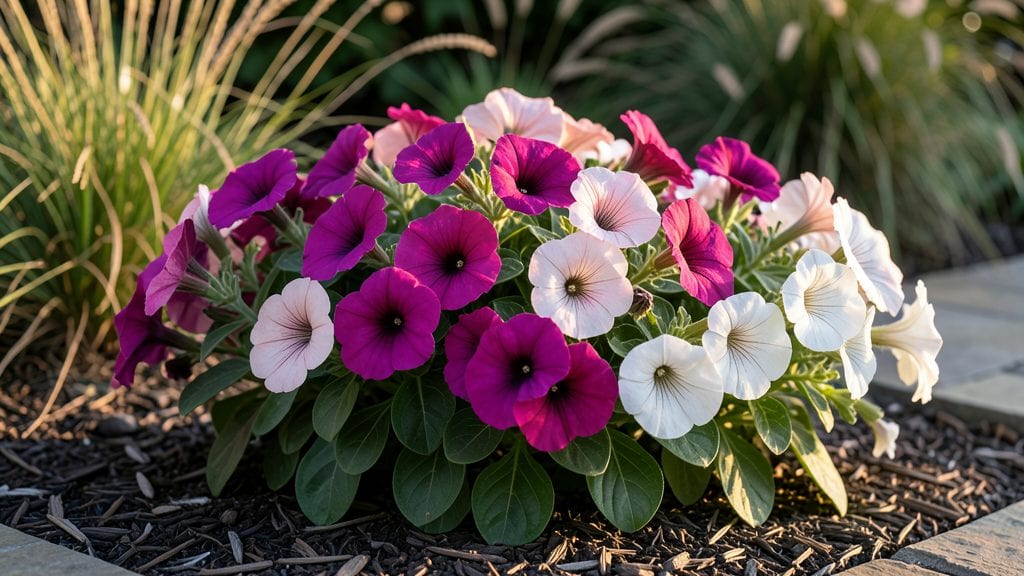
Caring for garden petunias means vibrant blooms that last from spring until frost—if you nail just a few key habits. I’ve learned the hard way that petunias don’t like soggy roots or harsh afternoon sun, but once you get their basic needs right, they reward you with nonstop color.
The secret isn’t complicated: consistent moisture, a little pruning, and feeding them just enough to keep growing.
Start with well-draining soil mixed with compost—petunias hate sitting in wet feet. Plant them in full morning sun with afternoon shade in hot climates, and water deeply 2-3 times a week rather than daily shallow drinks.
A slow-release fertilizer at planting and a mid-season boost keeps those blooms popping without burning the leaves. Most people skip the pruning, but snipping back leggy stems after blooms fade triggers bushier, fuller plants.
By midsummer, your petunias should be a neighborhood showstopper—dense mounds of blooms in every color imaginable. The key to long-lasting performance is staying on top of deadheading (removing spent flowers) and watching for pests like aphids, which love the tender new growth.
With these simple steps, you’ll avoid the sad, wilted petunias that plague so many gardens.
Winter care is easy: in cold zones, pull them up and compost the plants (they’re annuals anyway). In mild climates, they might linger until frost, but don’t count on them returning—petunias are one-and-done stars. Next season, just repeat the process, and you’ll have foolproof blooms that outshine store-bought bouquets.
📚 In This Guide
- What you need
- Instructions
- Tips and common mistakes
- Wrapping up and next steps
What you need
- ● Petunia plants: Choose between seedlings (6–8 weeks old) or transplants (from nurseries or local garden centers). Aim for 3–5 plants per square foot for a lush display.
- ● Well-draining potting mix or garden soil: Petunias hate soggy roots! Use a mix amended with 20–30% perlite or compost for optimal drainage.
- ● Containers or garden beds: For containers: Use pots at least 6–8 inches deep with drainage holes. Larger pots (12+ inches) can hold 2–3 plants.
- ● For garden beds: Ensure 6+ hours of sunlight daily and loosen soil to 12 inches deep for root growth.
- ● Slow-release fertilizer: A balanced 10-10-10 or 20-20-20 blend (or organic options like composted manure) to feed blooms for 6–8 weeks.
- ● Watering can or hose with a gentle spray nozzle: Petunias need 1 inch of water weekly, but avoid wetting leaves to prevent disease.
- ● Garden trowel or transplant spade: For digging holes twice as wide as the root ball.
- ● Pruning shears or clean scissors: To deadhead spent blooms and trim leggy stems.
- ○ Gloves (optional but recommended): Protects hands from thorns (in some varieties) and soil.
- ○ Mulch (optional): 2–3 inches of shredded bark or straw to retain moisture and suppress weeds.
- ● pH test kit: Petunias prefer slightly acidic to neutral soil (6.0–7.0). Adjust with lime or sulfur if needed.
- ● Epsom salt (occasional boost): Dissolve 1 tbsp in 1 gallon of water monthly for extra magnesium and vibrant blooms.
- ● Stakes or cages (for trailing varieties): Supports sprawling types like Surfinia or Wave petunias.
Step-by-Step instructions for garden petunia care
Petunias reward patience with months of vibrant blooms—here’s how to keep them thriving effortlessly.
Select the Right Location for Maximum Sunlight
Petunias demand full sun—at least 6-8 hours of direct sunlight daily—to produce their boldest blooms. I always choose a spot that gets morning sun and afternoon light, avoiding harsh midday glare in hot climates. If your garden has limited sun, opt for heat-tolerant varieties like 'Wave' petunias, which handle partial shade better than traditional types.
Test your spot by observing how sunlight moves across the area throughout the day. Mark the wettest, most sheltered corner of the bed—this is where petunias will thrive. Avoid low-lying areas where cold air pools, as petunias are frost-sensitive and won’t recover from chilling. Once planted, watch for leaves turning pale or stems stretching—these are clear signs the plants need more light.
Prepare Soil for Optimal Drainage and Nutrition
Petunias hate soggy roots, so amend your garden soil with 2-3 inches of compost and a handful of perlite or coarse sand to improve drainage. Work these into the top 6-8 inches of soil before planting. I like to mix in a slow-release fertilizer (like 10-10-10) at planting time to give roots a nutrient boost without risking burn.
Test the soil’s moisture by squeezing a handful—it should hold together loosely but not crumble. If your soil is heavy clay, create a raised bed or mound to prevent waterlogging. Petunias in poorly drained soil develop yellowing leaves and stunted growth, so this step is critical. After amending, let the soil settle for 24 hours before planting to avoid disturbing roots later.
Plant and Space for Airflow and Blooms
Dig holes slightly deeper than the root ball and space plants 12-18 inches apart—closer spacing encourages more compact growth but may reduce airflow. Handle petunias gently by their leaves (never the stems) to avoid bruising. Place each plant so the top of the root ball sits just below soil level, then firm the soil around it with your fingers.
Water deeply after planting to eliminate air pockets and encourage root spread. Mulch with 1-2 inches of shredded bark or straw to retain moisture and suppress weeds. Avoid piling mulch against stems, as this can trap moisture and invite rot. Within 7-10 days, you’ll see new growth—this confirms roots are establishing.
Water Consistently Without Overdoing It
Petunias need 1-1.5 inches of water weekly, but they’re drought-tolerant once established. Water early in the morning to reduce evaporation and fungal risks. I check moisture by sticking my finger 1 inch into the soil—if it’s dry, it’s time to water. Overwatering causes yellow leaves and wilting, while underwatering leads to drooping flowers and stunted growth.
For container petunias, ensure pots have drainage holes and water when the top inch of soil feels dry. Avoid wetting foliage when watering to prevent powdery mildew, a common fungal issue. If leaves develop white powdery spots, prune affected areas immediately and space plants farther apart to improve airflow.
Deadhead and Fertilize for Continuous Blooms
Pinch off spent blooms weekly to encourage more flowers and prevent seed formation. Use clean, sharp scissors to cut just above the next set of leaves—this redirects energy to new growth. I deadhead in the early morning when blooms are still damp with dew, as this reduces stress on the plant.
Feed petunias every 4-6 weeks with a balanced liquid fertilizer (like 20-20-20) diluted to half strength. Avoid high-nitrogen fertilizers, which promote leafy growth at the expense of flowers. Stop fertilizing 6-8 weeks before the first frost to harden off plants for winter. With consistent care, petunias will bloom from late spring until fall, making them one of the most reliable annuals for color.
Tips & tricks for perfect garden petunia care
These practical insights will help you avoid common pitfalls and maximize your petunias' potential for months of stunning blooms.
Location Intelligence: The 6-8 hours of direct sunlight in Step 1 isn't just about quantity—it's about quality. Morning sun provides gentle warmth while afternoon light prevents stress from midday heat. I've found that positioning petunias near a south-facing wall creates a microclimate that extends their bloom time by nearly two weeks. Observe your garden's sun patterns for a full week before planting to identify the optimal spot that gets consistent light without harsh afternoon glare.
Soil Preparation Strategy: When amending soil in Step 2, focus on creating a loose, crumbly texture rather than just adding compost. The 2-3 inches of compost and perlite should create a sponge-like structure that holds moisture without suffocating roots. I recommend mixing in a handful of worm castings along with the slow-release fertilizer—this adds beneficial microbes that help roots absorb nutrients more efficiently. After amending, let the soil settle for the full 24 hours before planting; this allows the structure to stabilize and prevents root disturbance later.
Planting Precision: The 12-18 inch spacing in Step 3 might seem generous, but it's crucial for airflow and disease prevention. I've noticed that petunias planted closer than 12 inches develop powdery mildew more frequently due to poor circulation. When placing plants, use your fingers to create small trenches around the root ball—this helps direct water straight to the roots rather than pooling around stems. The slight depth adjustment (just below soil level) ensures roots have room to spread without being buried too deeply.
Watering Wisdom: The 1-1.5 inches of water weekly in Step 4 should be applied deeply rather than frequently. I've developed a simple test: after watering, stick your finger 1 inch into the soil. If it's moist at that depth, you've watered enough. For container petunias, I recommend using a moisture meter rather than guessing—these inexpensive tools give precise readings that prevent both overwatering and underwatering. The early morning timing isn't just about evaporation; it allows foliage to dry completely before evening, reducing fungal risks significantly.
Pro Tips for Garden Petunia Care
- These practical insights will help you avoid common pitfalls and maximize your petunias' potential for months of stunning blooms.
- Location Intelligence: The 6-8 hours of direct sunlight in Step 1 isn't just about quantity—it's about quality.
- Soil Preparation Strategy: When amending soil in Step 2, focus on creating a loose, crumbly texture rather than just adding compost.
Frequently asked questions
Got questions about keeping your petunias happy and blooming?
Here are answers to the most common ones—because even the hardiest gardeners need a little help sometimes!
When is the best time to plant petunias?
Plant petunias after the last frost when soil temperatures are consistently above 50°F (10°C). For most U.S. regions, this means late spring (April–June). If starting from seeds indoors, begin 8–10 weeks before the last frost date. Pro tip: Use a soil thermometer to check—petunias love warmth!
How often should I water petunias?
Water petunias deeply 1–2 times per week, ensuring the top 1–2 inches of soil stay moist (not soggy). Early morning watering prevents fungal diseases. Drought stress = fewer blooms! Mulching helps retain moisture. Pro tip: Check soil moisture with your finger—if it’s dry, it’s time to water.
Why are my petunia leaves turning yellow?
Yellow leaves often signal overwatering or nutrient deficiency. Check for:
- Root rot: Brown, mushy stems = too much water. Let soil dry slightly between waterings.
- Nitrogen deficiency: Pale yellow leaves = feed with a balanced fertilizer (10-10-10).
- Pests: Aphids or spider mites can cause yellowing. Spray with neem oil if needed.
Can petunias grow in containers or hanging baskets?
Petunias thrive in containers with well-draining soil and plenty of sunlight. Choose compact varieties like Wave® or Supertunia® for baskets. Use a 10–12 inch pot per plant and fertilize weekly during blooming season. Pro tip: Elevate baskets to prevent root rot from overhead watering.
How do I keep petunias blooming all season?
Deadhead spent blooms daily or every other day to encourage new flowers. Feed with a balanced, water-soluble fertilizer every 2–3 weeks. Prune leggy stems by cutting back to a healthy leaf. Bonus: Plant near pollinators like bees—they’ll reward you with non-stop color! Pro tip: Rotate containers occasionally for even sunlight exposure.
Are petunias frost-tolerant?
Petunias are tender annuals and cannot survive frost. If you live in a cold climate, treat them as summer plants. For fall color, bring potted petunias indoors before temperatures drop below 40°F (4°C). Pro tip: Take cuttings in late summer to propagate for next year!
Wrapping up and next steps
Caring for petunias doesn’t have to be complicated—just a little love, consistency, and attention to their basic needs will reward you with vibrant, long-lasting blooms that brighten up any garden! 🌸 From choosing the right soil and sunlight to deadheading and protecting them from pests, these tips ensure your petunias thrive with minimal fuss.
Whether you’re a seasoned gardener or just starting out, your efforts will create a stunning, low-maintenance display that keeps giving all season.
Ready to watch your garden flourish? Grab your gloves, pick a sunny spot, and start planting—your petunias (and your neighbors!) will thank you. Happy gardening! 🌱