Blooming
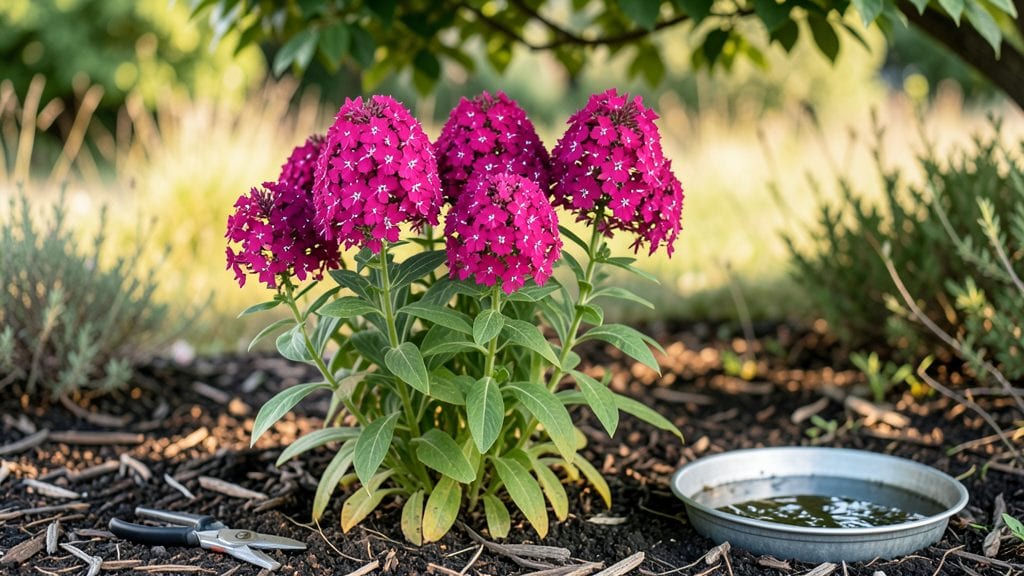
Garden phlox bloom time typically spans from late spring through early fall, turning your yard into a nonstop color show 🌸 when timed right.
If you’ve ever watched your garden phlox flowers peak in June, then dwindle by August—only to wonder if there’s a way to stretch that vibrant display—you’re not alone. The secret lies in understanding how climate, care, and even your planting window shape those bloom waves.
In USDA Zone 6a, phlox usually kicks off in June with a 4-6 week burst of color, but with the right tricks (like deadheading and soil prep), you can coax blooms into September. That’s not just luck—it’s science-backed timing.
Here’s how to sync your phlox care with its natural rhythm, plus proven tips to extend those show-stopping blooms well past summer’s end.
Phlox bloom time by month: when and how long each stage lasts
Garden phlox (Phlox paniculata) is one of the most reliable summer-blooming perennials, but its bloom timing can vary dramatically depending on your USDA hardiness zone and local climate.
In cooler zones like 3-5, phlox often starts blooming in late June, while in warmer zones 7-9, you might see buds opening as early as mid-June. Understanding these variations helps you plan companion plants and extend the season with simple care tricks.
The phlox bloom cycle typically spans 6-8 weeks, but with proper deadheading and pruning, you can stretch those vibrant clusters into September or even October in mild climates.
The key stages—bud formation, peak bloom, and post-bloom decline—each require different care to maximize your garden’s impact. Let’s break down what to expect month by month.
Month
Stage
Bloom Duration
Key Care Tasks
Zone 3-5
Zone 6-8
Zone 9
Late May
Bud Formation
2-3 weeks
Water deeply; avoid fertilizer
Early June
Late May
Mid-May
June
Peak Bloom
3-4 weeks
Deadhead spent blooms; mulch
Late June
Early June
Late May
July
Secondary Bloom
2-3 weeks
Prune back 1/3; fertilize lightly
Early July
Mid-June
June
August
Late Bloom
2-4 weeks
Reduce watering; monitor pests
Late July
July-August
July
September
Post-Bloom
N/A
Cut back stems; prepare for winter
Early Sept
Late Aug-Sept
August-Sept
In USDA Zone 3-5, where summers are shorter, phlox typically starts blooming in late June and peaks in July, with a secondary flush in early August.
If you live in Zone 6-8, you’ll see buds opening as early as mid-June, with peak bloom stretching into August. Meanwhile, gardeners in Zone 9 can enjoy phlox from May through September, thanks to milder winters and longer growing seasons.
Climate plays a huge role in bloom duration. Cooler summers in Zones 3-5 may shorten the bloom period to 4-5 weeks, while warmer zones like Zone 9 can extend it to 8-10 weeks.
Humidity also affects phlox—high humidity in southern climates can lead to powdery mildew, which weakens plants and shortens bloom time. To combat this, space your phlox 18-24 inches apart for better air circulation and apply fungicide preventatively in humid areas.
One of the easiest ways to extend phlox bloom time is through deadheading. By snipping off spent blooms right above the next set of leaves, you encourage the plant to produce new flower buds.
I’ve seen phlox in my Zone 7 garden bloom continuously from June through September simply by deadheading weekly. Pair this with a light feeding of 10-10-10 fertilizer every 4-6 weeks during the growing season to keep your phlox robust
How to maximize phlox bloom time: pruning, deadheading, and soil tips
To keep your garden phlox blooming for weeks longer, focus on three key areas: pruning, deadheading, and soil health. These simple techniques can transform a short-lived burst of color into a continuous floral display from early summer through fall.
The secret lies in understanding when to cut, how to encourage regrowth, and which soil amendments fuel vibrant blooms.
Start with pruning timing. Cut back first-year growth in early spring by one-third to promote bushier stems. For established plants, prune after blooming—never during the season—to avoid removing next year’s flower buds. This one simple step can double your bloom time with minimal effort.
Deadheading is your secret weapon for extending phlox bloom time. By removing spent blooms regularly, you redirect the plant’s energy from seed production to new flower growth. Use clean pruners or your fingers to pinch off faded blooms at the base of the stem.
For heavy bloomers, aim to deadhead every 3-5 days during peak season.
Organic Fertilizers
- 🌱 Pros: Improves soil structure over time
- 🌱 Pros: Slow-release nutrients prevent burnout
- 🌱 Pros: Safe for pollinators and beneficial insects
- 🌱 Cons: Requires more frequent applications
- 🌱 Cons: Stronger odor during composting
Synthetic Fertilizers
- ⚗️ Pros: Fast-acting results in 2-3 weeks
- ⚗️ Pros: Precise NPK ratios for blooms
- ⚗️ Pros: Longer shelf life and easy storage
- ⚗️ Cons: Can burn roots if overapplied
- ⚗️ Cons: May disrupt soil microbiome long-term
Best Choice: For quick blooms, use synthetic in early spring. For long-term health, blend organic (compost/manure) with synthetic.
Your phlox’s soil foundation determines how long and how hard it blooms. Test your soil’s pH level—phlox thrives in 6.0-7.0. Amend with compost or aged manure to boost organic matter, and mix in bone meal (for phosphorus) to fuel abundant blooms.
For sandy soils, add peat moss to retain moisture, while clay-heavy soils benefit from perlite for drainage.
Watering plays a critical role in bloom longevity. Deep watering once weekly is better than shallow daily sessions, which encourage weak root growth. Water at the base of plants in the early morning to reduce fungal risks.
During peak bloom, increase frequency to every 5-7 days if rainfall is scarce. Mulch with 2-3 inches of organic mulch to retain moisture and regulate soil temperature.
For late-season blooms, give your phlox a second chance with a light feeding of balanced fertilizer (10-10-10) in early July. This mid-season boost encourages new flower buds just as the first round begins to fade.
Pair this with consistent deadheading to keep blooms coming until first frost. With these strategies, your garden phlox can stay in full, vibrant bloom for 8-10 weeks instead of just 4-6.