
Tools
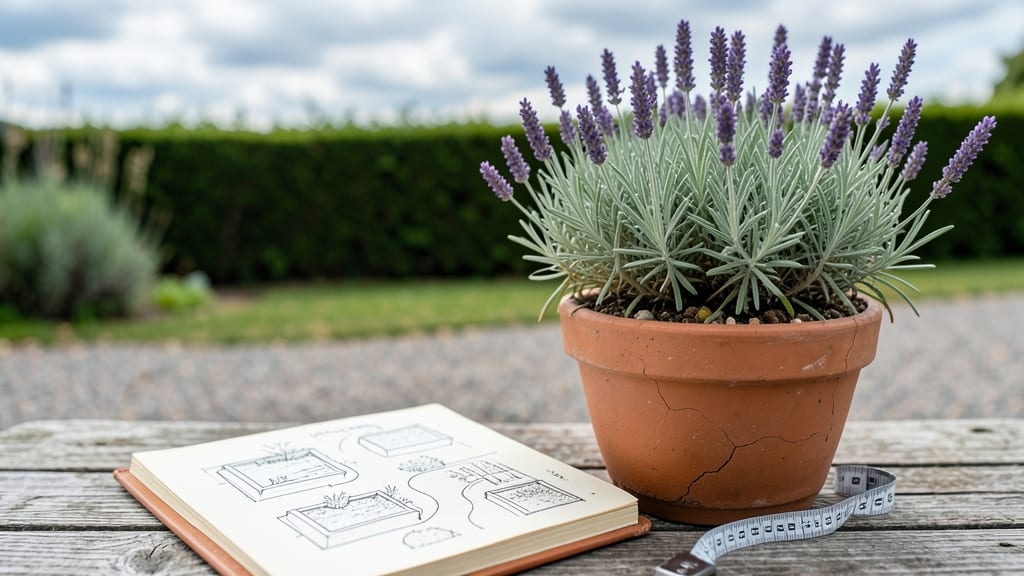
Mastering a few garden planning tips can turn your 100-square-foot backyard into a lush, year-round sanctuary with careful design. I’ve designed small-space gardens that produce more food and flowers than my neighbors’ sprawling plots, and the secret isn’t fancy tools or expensive soil.
It’s about working with what you’ve got: sun patterns, container flexibility, and a few strategic cuts to prune the overwhelm.
Start with a simple sketch on paper or your phone—no fancy software needed. Measure your space, note where sunlight lingers (or disappears) by the hour, and group plants by their needs: leafy greens in partial shade, tomatoes basking in full sun, and herbs tucked near the kitchen.
My 5-gallon bucket of cherry tomatoes now outproduces the half-dozen plants I used to squeeze into the ground, and the key was matching the pot size to the plant’s ambition.
By summer’s end, you’ll have a layout that feeds you, attracts pollinators, and still leaves room for a morning coffee spot. The best part? Adjustments are easy—swap out a struggling plant for a container-friendly alternative, or shift a raised bed to catch more light.
This isn’t about perfection; it’s about progress, one season at a time.
Whether you’re working with a balcony, a postage-stamp yard, or just tired of watching your plants compete for space, these tips cut through the guesswork. Grab a pencil, and let’s turn your space into something that actually works for you.
📚 In This Guide
- What you need
- Instructions
- Tips and common mistakes
- Wrapping up and next steps
What you need
- ● Graph paper or garden planning software (e.g., SketchUp, Garden Planner apps, or even free templates from Gardeners.com)
- ● Measuring tape (25–50 ft, depending on space)
- ● Pencil & eraser (for sketching layouts)
- ● Ruler or grid ruler (for scaling)
- ● Colored pencils/markers (to differentiate plants, paths, and zones)
- ● Notebook or digital notes (to jot down plant names, sunlight needs, and spacing)
- ● Plant catalogs or seed packets (for variety research)
- ● Laser level (for precise elevation planning)
- ● Stakes & string (to mark temporary layouts outdoors)
- ● Digital camera (to document existing space before planning)
- ● Soil test kit (if amending soil for specific plants)
- ● Compost or mulch (for nutrient prep—pro tip: 💡 test soil pH first!)
- ● Water source access (hose, drip irrigation, or rain barrel)
How to plan a small-space garden that thrives all season
Small spaces don’t mean small results—this approach maximizes every square foot while keeping maintenance simple.
Measure and Map Your Space
Start by measuring your garden area in feet, including walkways and any permanent structures. Sketch a rough layout on paper, labeling dimensions and noting sun exposure patterns. I like to divide the space into zones based on sunlight: full sun (6+ hours), part sun (3-6 hours), and shade (less than 3 hours). This helps me place plants where they’ll thrive without competing for light.
Use a tape measure to mark boundaries and walk the space at different times of day. Notice where shadows fall in the morning, afternoon, and evening—this changes with the seasons. If your space gets afternoon shade, prioritize shade-tolerant plants like lettuce or ferns in those areas. Pro tip: Take photos of the space at various times to reference later.
Choose a Season-Long Planting Strategy
Instead of treating your garden as a single-season project, plan for continuous harvests by layering plants with different maturity times. Start with cool-season crops like spinach or radishes in early spring, then transition to warm-season plants like tomatoes or peppers as temperatures rise. In late summer, add fall crops like kale or carrots before winter sets in.
I use a simple rotation system: divide your space into quarters, and plant one section at a time. This way, you’re always harvesting something while others grow. For example, plant fast-growing radishes in one quarter in early spring, then replace them with slower-growing lettuce once they’re harvested. This keeps your garden productive without overwhelming you.
Prioritize Vertical and Companion Planting
Vertical space is your best friend in small gardens. Install trellises, cages, or wall-mounted planters to grow vining plants like cucumbers, beans, or peas upward instead of outward. This frees up ground space for other crops. I like to use obelisks for tomatoes and peppers—they’re sturdy, space-efficient, and keep fruits off the ground where pests can’t reach them.
Companion planting is another game-changer. Pair plants that benefit each other, like basil with tomatoes (it improves flavor and deters pests) or carrots with onions (they repel each other’s pests naturally). Avoid planting incompatible pairs, such as beans and onions, which stunt each other’s growth. A quick online search for companion planting charts saves time and headaches later.
Plan for Year-Round Interest and Maintenance
Even in small spaces, you can create visual appeal and functionality year-round. Use evergreen shrubs or ornamental grasses as backdrop plants to add structure and color in winter. In spring and summer, add seasonal flowers like marigolds or nasturtiums to attract pollinators and deter pests. Mulch paths with gravel or wood chips to keep them tidy and reduce weeds.
I also incorporate raised beds or containers for flexibility—they’re easier to maintain and allow you to rotate crops seasonally. For example, a raised bed can start with spring lettuce, transition to summer herbs, and end with fall broccoli. Just ensure your containers have drainage holes and use lightweight potting mix to avoid overwatering.
Schedule Planting and Maintenance Tasks
Create a simple calendar to track planting, fertilizing, and harvesting times. Note key dates like the last frost in spring and the first frost in fall, and plan your garden around them. For example, cool-season crops should go in 4-6 weeks before the last frost, while warm-season crops need soil temperatures above 60°F to germinate.
Set reminders for regular tasks like watering, weeding, and pruning. I use a whiteboard in my kitchen to jot down weekly to-dos, such as “check for pests” or “harvest tomatoes.” This keeps me on track without feeling overwhelmed. Also, group similar tasks—like weeding and mulching—to save time. A well-organized schedule ensures your garden stays healthy and productive with minimal effort.
Tips & tricks for perfect small-space garden planning
A few strategic approaches will help you maximize every inch of your garden while keeping maintenance manageable throughout the seasons.
Sunlight Mapping: In Step 1, when dividing your space into sunlight zones, consider using a simple app to track sun exposure patterns over several days. I've found that shadows shift more dramatically than I expected—especially in spring and fall. Mark your layout with stakes or flags to visualize where each plant will thrive, and don't forget to account for future growth patterns of trees or buildings that might cast new shadows.
Seasonal Rotation System: The quarter-division method in Step 2 works beautifully, but I've refined it further by creating a color-coded planting calendar. Assign each quarter a different color marker, then track planting dates and harvest times. This visual system helps me see at a glance which section needs attention and prevents planting the same crops in the same spot year after year, which maintains soil health.
Vertical Space Optimization: When implementing vertical planting in Step 3, consider using modular trellis systems that can be moved as plants grow. I've had great success with adjustable cages that start at 2 feet and expand to 5 feet. This flexibility allows me to rotate plants seasonally while keeping the same support structure. For containers, choose ones that can be stacked or mounted at different heights to create a tiered growing system that maximizes vertical real estate.
Soil Temperature Tracking: The 60°F soil temperature mentioned in Step 5 is crucial for warm-season crops, but I've found that a simple soil thermometer is worth its weight in gold. Check temperatures in the morning when soil is coolest—this gives you the most accurate reading for planting decisions. If your soil runs cooler than 60°F, consider using black plastic mulch or row covers to warm it up faster before planting heat-loving vegetables.
Pro Tips for Garden Planning Tips
- A few strategic approaches will help you maximize every inch of your garden while keeping maintenance manageable throughout the seasons.
- Sunlight Mapping: In Step 1, when dividing your space into sunlight zones, consider using a simple app to track sun exposure patterns over several days.
- Seasonal Rotation System: The quarter-division method in Step 2 works beautifully, but I've refined it further by creating a color-coded planting calendar.
Frequently asked questions
Got questions about planning a small-space garden?
You’re not alone! Here are answers to the most common concerns—whether you’re a beginner or just looking to optimize your layout.
What’s the best time of year to start planning my garden?
For most climates, late winter or early spring is ideal—before the growing season kicks off. This gives you time to sketch layouts, order seeds, and prep soil. If you’re in a warmer zone, fall planning works too, so you can start cool-season crops early!
How do I maximize space in a tiny garden?
Think vertically (trellises, hanging planters) and closely (interplanting fast/slow growers). Use square-foot gardening or raised beds to minimize wasted space. Pro tip: Group plants with similar needs (sun/water) to streamline care!
What are the easiest plants for small gardens?
Start with low-maintenance picks like herbs (basil, mint), leafy greens (lettuce, spinach), or compact veggies (cherry tomatoes, peppers). Fast growers (radishes, bush beans) let you rotate crops quickly. Avoid sprawlers like pumpkins unless you have vertical space!
How do I fix a garden layout that’s not working?
Assess sunlight gaps (move shade-tolerant plants) or overcrowding (thin out or prune). Swap struggling plants with hardier varieties. If pests are an issue, add companion plants (e.g., marigolds to deter bugs) or rotate crops next season.
Can I plan a functional garden on a budget?
Use free resources like library seed swaps, repurpose containers (buckets, pallets), and mulch with grass clippings. Start small—even a windowsill herb garden saves money. Pro tip: Save seeds from veggies/fruits to cut costs long-term!
Wrapping up and next steps
Planning your small-space garden doesn’t have to be overwhelming—it’s all about strategic choices and seasonal layers! Whether you’re maximizing vertical space, choosing the right plants, or designing for year-round beauty, the key is to start small, stay organized, and adapt as you go.
With the right layout, even the tiniest patch of earth can become a thriving, functional oasis.
Now that you’re armed with tips and tools, take the next step! Grab your sketchbook, visit your local nursery, or even test a few containers on your balcony. Your dream garden is closer than you think—so get growing! 🌱✨