
Tools
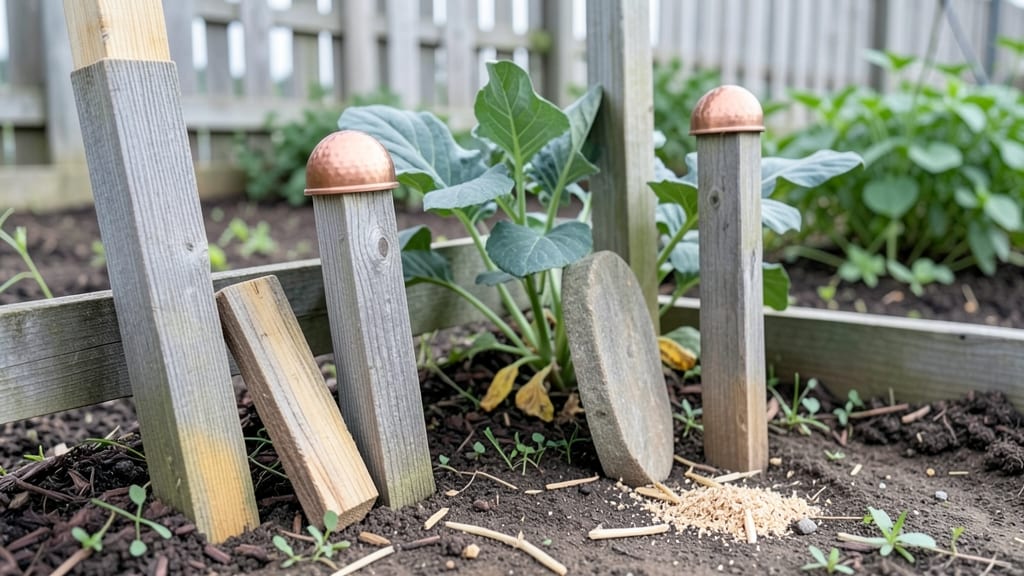
Garden post ideas range from rustic wooden stakes to sleek metal frames, each offering unique durability and aesthetic appeal. Choose materials like cedar, bamboo, or recycled plastic, and customize with paint, engravings, or climbing plants for a personalized touch that complements any outdoor space.
When brainstorming garden post ideas, think beyond basic functionality—these vertical elements can transform your outdoor space into a curated art piece.
Natural materials like cedar resist rot and pair beautifully with cottage gardens, while metal posts offer modern elegance and weatherproof durability. 🌿 For budget-friendly options, repurposed items such as old wine bottles or salvaged bricks create charming focal points that tell a story.
The key is matching the material to your garden's style and climate needs, whether you're supporting climbing roses or framing a cozy seating area.
Don't overlook the creative potential of post shapes and sizes—tapered logs add rustic warmth, while geometric steel frames lend contemporary flair. Many gardeners also use posts as interactive elements, like attaching small shelves for potted herbs or embedding LED lights for evening ambiance.
The possibilities are endless once you start thinking of posts as more than just structural supports.
💡 In This Article
- Best Garden Post Materials for Longevity and Style
- DIY Garden Post Designs for Functional and Decorative Use
Best garden post materials for longevity and style
The durability of garden post materials depends on their natural resistance to environmental stressors. Cedar, for example, contains thujaplicin, a natural fungicide that repels rot and insects, making it ideal for humid climates where moisture accelerates decay.
Its grain patterns also add organic texture, perfect for cottage or woodland gardens. In contrast, treated pine offers a budget-friendly alternative with 15-20 years of lifespan when properly sealed, though it lacks cedar's natural resistance.
Metal posts, particularly galvanized steel or aluminum, excel in saltwater environments and high-traffic areas due to their corrosion-resistant coatings. A 4-inch diameter steel post can support up to 500 pounds of weight, making it ideal for heavy trellises or privacy screens.
However, metal's industrial look suits modern or minimalist gardens better than rustic styles. For tropical climates, composite materials (like HDPE plastic) resist both UV rays and termites, lasting 25+ years without fading or warping.
Stone posts, such as granite or slate, bring timeless elegance but require precise installation due to their weight (50-100 pounds per post). Their natural variation in color and texture enhances organic garden themes, while their thermal mass helps regulate soil temperature.
However, they're less practical for areas with freeze-thaw cycles, as water expansion can crack porous stones over time. For coastal gardens, fiberglass-reinforced composites mimic wood's appearance while resisting salt corrosion.
Consider your garden's soil type when choosing materials. Sandy soils drain quickly, reducing rot risk for wood but increasing metal's heat absorption (which can scorch nearby plants). Clay soils, however, hold moisture longer, making cedar or composite posts safer choices.
The pH level matters too—acidic soils accelerate metal corrosion, while alkaline soils may leach minerals from untreated wood over time.
For visual impact, match materials to your garden's theme: cedar for rustic charm, black steel for modern lines, and painted composites for vibrant pops of color. Even the post's shape affects perception—tapered logs feel organic, while square posts create geometric contrast.
Pro tip: Embed copper wire into wooden posts to deter termites naturally while adding subtle metallic accents.
Ultimately, the best material balances your garden's needs with your aesthetic vision. Test a small section first—especially in extreme climates