Planting
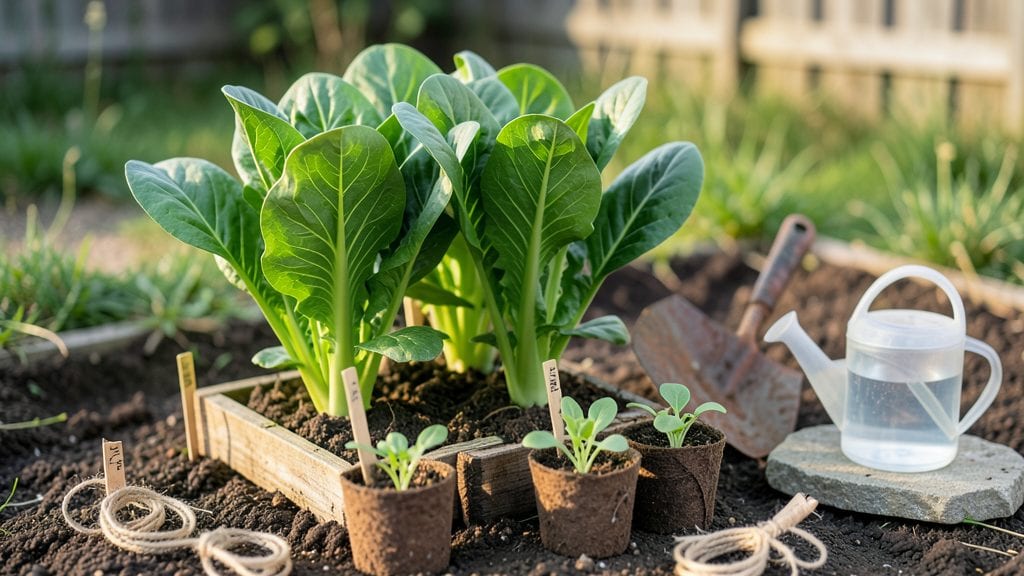
Garden row spacing between 12 to 36 inches ensures healthy plant growth by preventing overcrowding, allowing sunlight penetration, and improving airflow—depending on plant type and maturity size.
Getting the spacing right in your garden isn't just about fitting more plants—it's about giving them room to thrive. 🌱 Too little space leads to competition for nutrients, while too much wastes precious garden real estate.
I've found that leafy greens like lettuce or spinach can handle tighter spacing (6-12 inches), while larger plants like tomatoes or peppers need 18-36 inches to spread out. The key is matching your spacing to each plant's mature size, not just its starting dimensions.
For example, bush beans or radishes can grow happily in rows just 4-6 inches apart, while squash plants need 3-5 feet of space to sprawl.
Understanding these differences transforms your garden from a crowded mess into a productive ecosystem where every plant gets its fair share of sunlight, water, and airflow. The right spacing also reduces disease risks by preventing humidity buildup in crowded foliage.
💡 In This Article
- How Plant Mature Size Determines Optimal Row Spacing
- Adjusting Row Spacing for Different Garden Layouts
How plant mature size determines optimal row spacing
Here's what's actually happening underground and above: Plants compete for three critical resources—water, nutrients, and sunlight—and their mature size dictates how aggressively they'll vie for these. A tomato plant's sprawling vines can extend 3-5 feet in diameter at maturity, while a basil plant stays compact at just 12-18 inches.
The root systems follow similar patterns: deep-feeding plants like carrots develop roots up to 12 inches deep, while shallow-rooted lettuce stays within 6 inches. This competition isn't just theoretical—studies show crowded plants produce 20-40% less yield due to stunted growth from nutrient deprivation.
The science gets even more interesting when you consider sunlight interception. Broadleaf plants like squash create dense canopies that block 70-80% of sunlight at ground level, while vertical growers like pole beans let light filter through.
That's why squash needs 3-5 feet between plants—any closer and the center plants become shade-tolerant but low-yielding. Leafy greens like spinach, however, thrive in partial shade and can grow well at 6-12 inches spacing because their shallow roots don't compete as aggressively for deep nutrients.
The sweet spot is where each plant gets 50-70% of full sunlight without smothering neighbors.
Airflow plays a surprisingly critical role too. Crowded plants create microclimates with 90% humidity or higher, perfect conditions for fungal diseases like powdery mildew. Tomatoes spaced 18-24 inches apart show 30% fewer disease outbreaks compared to those crammed 12 inches apart.
The airflow difference is dramatic: A well-spaced row moves air at 1-2 mph, while crowded plants create stagnant zones where spores linger. This is why herbs like rosemary, which naturally grow in arid Mediterranean conditions, need 24-36 inches of space—they can't tolerate the humidity that builds in tight plantings.
Let's look at some concrete examples to see how this plays out in real gardens. Radishes mature in just 30 days and reach 2 inches in diameter, so they can be planted 2 inches apart in rows 12 inches apart.
But if you're growing winter radishes that take 60 days to mature and reach 3 inches in diameter, you'll need 4 inches between plants.
The same logic applies to flowers: Marigolds, which stay under 12 inches tall, can be planted 10-12 inches apart, while sunflowers need 18-24 inches to accommodate their 5-6 foot height and 2-foot diameter heads.
What most people don't realize is how spacing affects harvest timing. Crowded plants mature 7-14 days later because they divert energy to competing with neighbors rather than producing fruit.
A tomato plant with 18 inches of space might yield 10-12 pounds of fruit over 90 days, while the same plant crowded to 12 inches might produce only 5-6 pounds over 105 days.
The trade-off between immediate density and long-term productivity is why experienced gardeners prioritize mature size over seed packet recommendations.
Here's a pro tip: Always check the plant tag for "mature height" and "spread" measurements—these are your golden metrics. For example, a 'Cherry Tomato' might be labeled 18-24 inches tall but 18-24 inches wide, while a 'Beefsteak' variety could be 36-48 inches tall and 24-36 inches wide.
The width measurement is often overlooked but critical for spacing decisions. When in doubt, err on the wider side—you can always add more plants next season, but you can't undo the damage from crowding.
Remember this rule of thumb: If you can't fit your hand between two mature plants without touching leaves, you're overcrowding. That simple physical check aligns perfectly with the plant's natural spacing needs. 🌿