
Tools
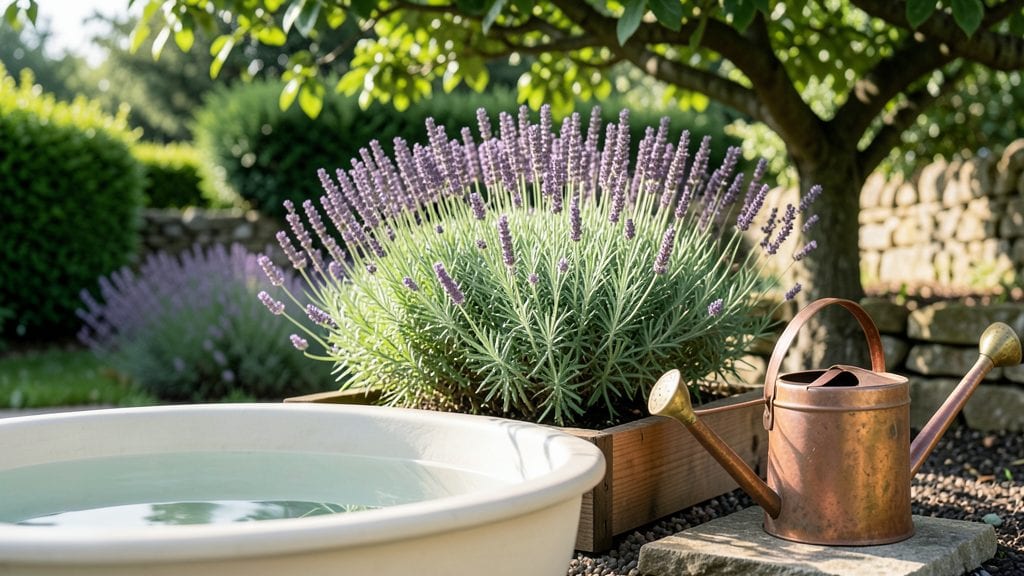
A garden soaking tub transforms your outdoor space into a fragrant, functional oasis. I stumbled upon mine while searching for ways to keep herbs fresh and pests away—now it’s the centerpiece of my patio, blending practicality with charm.
The tub holds water infused with rosemary, thyme, or mint, creating a natural spray for plants while adding a spa-like touch to my yard.
You can choose from simple DIY options—like repurposed wooden barrels or ceramic planters—or opt for pre-made metal tubs designed for soaking. Place it near your herb garden for easy access, or tuck it beside a seating area where the scent lingers.
The water doubles as a seed-soaking station or a quick hydration boost for thirsty plants after a hot day.
What makes this tub special is how it works. The infused water deters aphids and keeps herbs lush, while the tub itself becomes a decorative focal point. A few drops of neem oil occasionally keeps the water fresh, and the herbs regrow faster than you’d expect.
It’s the kind of project that pays off in both beauty and garden health.
Whether you’re a seasoned gardener or just starting, this tub fits any outdoor space. Start small—even a 5-gallon bucket can work—and let the scent of your garden become part of your daily routine. The best part? You’ll never look at a plain watering can the same way again.
📚 In This Guide
- What you need
- Instructions
- Tips and common mistakes
- Wrapping up and next steps
What you need
- ● Container: A large, food-safe tub (e.g., plastic, stainless steel, or glass) – 10+ gallons (e.g., a repurposed kiddie pool, whirlpool tub, or plastic storage bin).
- ● Herbs: Fresh, organic herbs (e.g., mint, basil, rosemary, thyme, lavender) – 2–3 cups (adjust based on container size).
- ● Water: Filtered or distilled (avoid tap water with chlorine) – enough to fill ¾ of the tub.
- ○ Non-toxic sealant (optional): For sealing wood or porous containers (e.g., food-grade mineral oil).
- ○ Draining system (optional): A spigot or hose attachment (for easy emptying).
- ● A drain plug (if modifying a tub with a built-in drain).
- ○ Lid or cover (optional): A mesh screen or breathable fabric to keep pests out while allowing airflow.
- ● Drill (with hole saw for spigot/drain installation).
- ● Screwdriver or wrench (for securing fittings).
- ● Sandpaper (if smoothing rough edges).
- ● Measuring tape (to ensure proper herb-to-water ratios).
- ● Access to a shady or partially shaded outdoor space (herbs need indirect light).
- ● A timer or schedule (soak herbs for 1–3 days for optimal flavor).
- ● Food-safe storage containers (for transferring infused water to jars).
Instructions for creating a relaxing herb soaking tub
Transform your garden into a fragrant retreat with this simple soaking tub setup.
Choose and Prepare Your Soaking Tub
Select a sturdy, shallow container that can hold at least 2-3 gallons of water—a large plastic bin, wooden tub, or even a repurposed bathtub works perfectly. I like to use one with a lid or cover to contain the scent and keep debris out. Place it in a shaded spot where you can easily access it while relaxing.
Clean the container thoroughly with warm, soapy water and rinse well to remove any residue. This ensures your herbs won’t absorb unwanted chemicals. If your tub has drainage holes, cover them with mesh to prevent soil or small debris from clogging them later.
Select and Harvest Fresh Herbs
Gather a mix of fragrant herbs from your garden, such as lavender, rosemary, mint, or lemon balm. Aim for 1-2 cups of fresh herbs per gallon of water—this creates a strong, aromatic infusion without overpowering the soak. Trim the herbs just before use to release their essential oils and enhance their scent.
For best results, avoid woody stems like rosemary branches unless you’re using them in bundles. Instead, focus on leafy herbs or smaller sprigs that will disperse their aroma easily. If you’re using dried herbs, reduce the amount to ½ cup per gallon since they release oils more slowly.
Fill the Tub with Water and Add Herbs
Fill the container with lukewarm water—hot water can strip the herbs of their beneficial oils, while cold water releases them too slowly. Stir the water gently to help the herbs disperse evenly. Add a handful of Epsom salt (about ½ cup) to soothe muscles and boost the infusion’s relaxing properties.
Place the herbs into the water, pressing them down lightly to ensure they’re fully submerged. If using a lid, leave it slightly ajar to allow the scent to escape while keeping bugs out. Let the mixture steep for 30-60 minutes—this gives the herbs time to infuse the water with their aromatic oils.
Soak and Enjoy Your Herbal Retreat
Step into the tub and soak for 15-20 minutes, allowing the steam and scent to envelop you. Close your eyes and breathe deeply—the combination of warm water, herbal aromas, and the sound of nature creates a deeply calming experience. For extra relaxation, add a few drops of essential oil (like lavender or eucalyptus) to the water.
After soaking, rinse off with cool water to close your pores and refresh your skin. Store any leftover herb infusion in a sealed container in the fridge for up to 3 days—you can reuse it for a quick foot soak or even as a DIY herbal compress for sore muscles.
Maintain and Refresh Your Tub
After each use, drain the water and rinse the tub thoroughly. Store it in a dry place to prevent mold or mildew buildup. To refresh the scent, add a new batch of herbs and a splash of white vinegar (about ¼ cup) to neutralize any lingering odors before your next soak.
I like to keep a small basket of dried herbs nearby so I can quickly swap out fresh or dried bundles between uses. This keeps the tub smelling vibrant and ready for your next relaxing session.
Tips & tricks for perfect garden soaking tub
Creating the perfect garden soaking tub is all about maximizing those homegrown aromas while keeping everything simple. Here are the little details that make all the difference.
Herb Selection Matters: The key to a fragrant soak lies in choosing the right herb combinations. I find lavender and lemon balm work beautifully together—the lavender adds a floral note while lemon balm brings a bright citrusy freshness. For a more earthy experience, try combining rosemary with mint. Remember that dried herbs release oils more slowly, so you'll need less than half the amount of fresh herbs per gallon.
Water Temperature is Critical: That lukewarm water recommendation isn't just about comfort—it's about preserving the herbs' beneficial oils. Water hotter than 100°F can actually break down these aromatic compounds, while cold water releases them too slowly. Test your water by dipping your wrist—it should feel pleasantly warm, like a warm bath. This temperature range ensures you get the full aromatic experience without losing any of the herbs' properties.
Steeping Time Makes the Difference: The 30-60 minute steeping time in Step 3 might seem like a wide range, but it's intentional. If you're using delicate herbs like mint or lemon balm, 30 minutes is perfect. For heartier herbs like rosemary or lavender, the full 60 minutes allows their oils to fully infuse. I like to set a timer and check the water's color—when it takes on a subtle green or purple tint, that's your cue it's ready.
Maintenance Keeps It Fresh: That quarter cup of white vinegar in Step 5 isn't just for odor control—it's a game changer for keeping your tub ready for next use. The vinegar neutralizes any lingering herb oils while also acting as a natural disinfectant. After using vinegar, always rinse the tub thoroughly and let it dry completely to prevent any vinegar smell from carrying over to your next soak. I keep a small spray bottle of equal parts water and vinegar nearby for quick refresher sprays between uses.
Pro Tips for Garden Soaking Tub
- Creating the perfect garden soaking tub is all about maximizing those homegrown aromas while keeping everything simple.
- Herb Selection Matters: The key to a fragrant soak lies in choosing the right herb combinations.
- Water Temperature is Critical: That lukewarm water recommendation isn't just about comfort—it's about preserving the herbs' beneficial oils.
Frequently asked questions
Got questions about your new garden soaking tub? You’re not alone! Here are some common concerns—and their easy solutions—to help you get the most out of your herb-infused relaxation station.
How often should I refill the soaking tub with water?
Refill your tub every 2–3 days (or sooner if the water gets murky or smells funky). Over time, herbs release oils and nutrients into the water, so fresh water keeps your tub clean and effective. Pro tip: Use filtered water to avoid chlorine or mineral buildup that could dull your herbs’ flavor.
Can I reuse the herbs after soaking them in the tub?
Yes! Once soaked, your herbs are still edible—just rinse them thoroughly before using. However, their potency may decrease slightly. For best results, use them in teas, marinades, or dressings where their infused flavor shines. Avoid reusing herbs for fresh dishes like salads if they’ve been steeped for hours.
What’s the best way to prevent mold or bacteria in the tub?
Keep your tub clean with these simple steps:
- Drain and scrub it weekly with a mix of water and vinegar (or mild soap).
- Avoid leaving wet herbs in the tub longer than 3–4 days.
- Use a fine mesh cover to block debris while allowing airflow.
- Store the tub in a shaded, dry spot when not in use.
Are there alternatives to a soaking tub for infusing herbs?
If a tub isn’t your style, try:
- Mason jar method: Pack herbs into a jar, cover with oil or water, and let sit in sunlight for 2–3 days.
- Cheesecloth sachets: Tie herbs in cheesecloth and steep them in a bowl of water or oil.
- Slow cooker: Add herbs to warm (not boiling) water or oil on low for 4–6 hours.
Why does my infused water smell or taste off?
Off flavors or smells usually mean oxidation or bacteria. Fix it by:
- Using fresh, high-quality herbs (wilted or old herbs spoil faster).
- Storing infused water in the fridge (it lasts 3–5 days).
- Adding a splash of lemon juice or apple cider vinegar to preserve freshness.
- If mold appears, drain and clean the tub immediately with a bleach-water solution (1:10 ratio).
Wrapping up and next steps
A garden soaking tub isn’t just a tool—it’s your gateway to effortless, flavor-packed infusions straight from your backyard. Whether you’re steeping herbs for cocktails, teas, or culinary magic, this simple setup transforms fresh ingredients into aromatic treasures with minimal fuss.
The best part? You’re just one harvest away from elevating your meals and drinks with homegrown vibrancy.
Ready to dive in? Grab your favorite herbs, fill that tub, and let the soaking begin! 🌿✨ Next up: Experiment with bold flavor combos—like rosemary + citrus or mint + berries—and tag us in your creations. Happy infusing!