
Tools
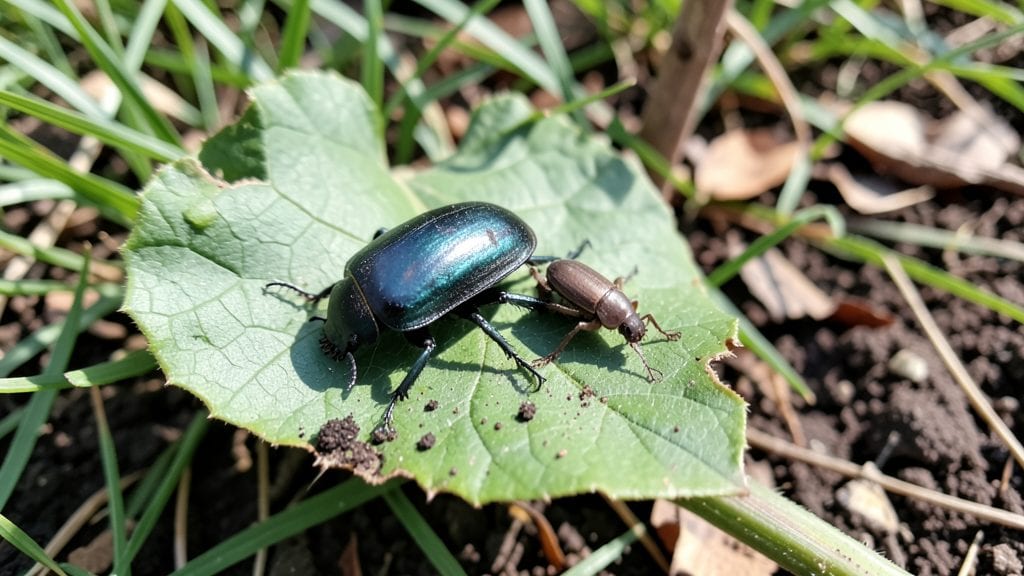
Garden soil insects are the silent saboteurs of healthy plants, and I’ve spent years figuring out how to stop them without harming the soil. 🌱 The damage they leave behind—chewed roots, wilting plants, and tunnels in the earth—can turn a thriving garden into a struggling one overnight.
But the right organic barriers don’t just mask the problem; they rebuild soil health while keeping pests in check.
The key is understanding what’s really happening underground. Grubs munch on roots, ants disrupt moisture, and nematodes attack plant cells—each one needs a different approach. My go-to methods include diatomaceous earth for crawling insects, nematodes for soil-dwelling pests, and simple physical barriers like cardboard or row covers.
The best part? These solutions work with your soil, not against it.
You’ll see the difference in just a few weeks: stronger stems, deeper roots, and plants that bounce back from stress. The soil stays fertile, the ecosystem stays balanced, and you skip the chemical cycle that leaves your garden weaker over time.
No more guessing—just proven, organic protection that actually improves your garden’s future.
Whether you’re dealing with a fresh infestation or just want to prevent one, these strategies adapt to any garden size or climate. The secret isn’t complexity—it’s consistency. Let’s get your soil back to thriving, naturally.
Root Causes Of Soil Bug Surges
Understanding why garden soil insects suddenly become a problem is the first step to stopping them naturally. These tiny troublemakers don’t just appear out of nowhere—they’re drawn to specific conditions in your garden. Let’s break down the science behind their overpopulation so you can address the real issues.
Healthy soil is a balanced ecosystem, but when nutrients are out of whack, insects thrive like weeds. Here’s why:
- Excess nitrogen – Too much nitrogen (from synthetic fertilizers or composted manure) fuels fast plant growth, which attracts sap-sucking insects like aphids and whiteflies. These pests love tender, nitrogen-rich leaves.
- Lack of organic matter – Soil low in compost or decomposed plant material lacks the microbial diversity that naturally suppresses insect populations. Without this "good bacteria" network, harmful insects multiply unchecked.
- pH extremes – Soil that’s too acidic (<5.5) or alkaline (>7.5) stresses plants, making them weaker and more attractive to pests. For example, cutworms and wireworms prefer acidic soils, while grubs thrive in slightly alkaline conditions.
💡 Pro Tip: Test your soil’s pH and nutrient levels with a simple home kit. Aim for a balanced pH of 6.0–7.0 and add compost or worm castings to rebuild microbial activity.
Water is life—but too much of it turns your garden into an insect buffet. Here’s how excess moisture invites pests:
- Fungal food source – Overwatered soil creates the perfect environment for fungi like Beauveria bassiana, which some insects (e.g., grubs and slugs) eat to survive. The fungi spread faster in damp conditions, boosting pest populations.
- Root rot attraction – Weak, rotting roots (from soggy soil) release sugars into the soil, luring fungus gnats and shore flies. These insects lay eggs in moist, decaying matter.
- Standing water – Puddles or compacted soil create breeding grounds for mosquitoes and soil-dwelling beetles. Even "dry" areas can stay moist if drainage is poor.
🔥 Action Step: Improve drainage by amending soil with perlite or sand, and water deeply but infrequently to encourage strong root systems.
Leaves, mulch, and old plant matter aren’t always trash—they’re insect hotels. Here’s how clutter invites pests:
- Shelter for larvae – Thick mulch or leaf litter provides hiding spots for beetle grubs, cutworms, and earwigs. These insects burrow into organic debris to avoid predators and dry conditions.
- Food for scavengers – Decaying plant material attracts soil-dwelling insects like pill bugs and sow bugs, which then break down the debris—creating more food for their predators (e.g., centipedes and spiders).
- Disease vectors – Rotting wood or diseased plants harbor insects that spread pathogens (e.g., Japanese beetles on infected roses or flea beetles on stressed tomatoes).
🌡️ Quick Fix: Clear away thick mulch layers (keep it 2–3 inches deep) and remove plant debris in fall. Compost it far from your garden to avoid reinfesting the soil.
Planting the same crops year after year is like rolling out a welcome mat for pests. Here’s the science:
- Specialized pests – Insects like cabbage worms or tomato hornworms evolve to target specific plants. A monoculture (e.g., a huge tomato patch) gives them a never-ending food source.
- Stressed plants – Overcrowded or nutrient-deficient plants produce weak leaves and stems, making them easier targets for chewers (e.g., Colorado potato beetles) and suckers (e.g., spider mites).
- Lack of predators – Diverse gardens support natural predators (ladybugs, ground beetles) that keep pest populations in check. Monocultures starve these helpers out.
✨ Organic Solution: Practice crop rotation and interplant flowers (like marigolds or basil) to disrupt pest life cycles and attract beneficial insects.
Now that you know the why, the next step is tackling these issues with organic barriers and preventative strategies—no chemicals required! 🚫💨
Natural Ways to Outsmart Soil Pests
Soil insects can feel like tiny, relentless saboteurs—chewing roots, tunneling through soil, and leaving your garden looking like a war zone. 🚜🐛 The good news? You don’t need harsh chemicals to win this battle.
With the right organic strategies, you can deter, repel, and even eliminate these pests while keeping your soil—and plants—thriving. Below, we break down practical, step-by-step solutions tailored to common causes, plus prevention tips to keep your garden healthy long-term.
Cause: Grubs, cutworms, or root maggots munching on tender roots. Solution: Strengthen soil health to outcompete pests naturally.
- 🌱 Introduce Beneficial Nematodes
- Buy Steinernema carpocapsae or Heterorhabditis bacteriophora (sold as liquid or granules).
- How to apply: Mix with water (as directed) and drench soil around affected plants at dusk (nematodes hate light).
- Why it works: These microscopic worms paralyze and kill grubs, cutworms, and other soil pests without harming plants.
- Pro tip: 💡 Reapply every 4–6 weeks during peak pest season (spring/fall).
- 🍄 Add Compost & Mulch - Spread 2–3 inches of compost over the soil surface and top with straw or wood chips. - Why it works: Healthy soil = stronger roots that pests avoid.
Mulch also smothers eggs and disrupts their life cycle. - Bonus: Use chop-and-drop mulch (free from garden waste) to save money.
- 🌿 Plant Pest-Repellent Companions
- Interplant with marigolds, basil, or thyme—their strong scents mask plant odors that attract pests.
- Avoid: Planting susceptible crops (like tomatoes or cabbage) in monoculture (large single patches).
Cause: Wireworms, white grubs, or sow bugs creating visible tunnels in soil. Solution: Block access and trap them before they damage plants.
- 🧱 Use Cardboard or Diatomaceous Earth (DE) - For wireworms/sow bugs: Lay cardboard sheets (unwaxed) over soil, weighted down with rocks. Pests get trapped underneath. - For grubs: Sprinkle food-grade DE lightly around plants.
It dehydrates insects on contact but is safe for plants. - Caution: 🌡️ Reapply DE after rain—it loses effectiveness when wet.
- 🥘 Beer Traps for Slugs & Pill Bugs - Bury a shallow container (like a plastic cup) filled with beer so the rim is level with the soil. - Why it works: Slugs and pill bugs crawl in and drown.
Replace every 2–3 days. - Pro tip: 🎯 Add a drop of dish soap to break surface tension—traps work faster!
- 🔪 Handpick & Remove Large Pests
- Best time: Early morning when pests are sluggish.
- How to: Dig around plants, scoop grubs/wireworms into soapy water, or drop them in rubbing alcohol (instant kill).
- For sow bugs: Use a shop vacuum (outdoor setting) to suck them up from mulch.
Cause: Poor soil health, lack of rotation, or ignored early signs. Solution: Build a pest-resistant ecosystem with these habits.
| Prevention Step | How to Do It | Why It Works |
|---|---|---|
| Crop Rotation | Switch plant families yearly (e.g., tomatoes → beans → brassicas). | Breaks pest life cycles—no favorite "hotspot." |
| Solarization | Cover soil with clear plastic for 4–6 weeks in summer. | Sun heats soil to 120°F+, killing eggs/larvae. |
| Neem Oil Spray | Mix 1 tbsp neem oil + 1 tsp mild soap per gallon of water. Spray weekly in early pest season. | Disrupts insect hormones and feeding. |
| Encourage Predators | Invite ground beetles, toads, or birds with log piles, shallow water dishes, or native plants. | They eat pests naturally—no chemicals needed! |
- 🌿 Coffee Grounds: Sprinkle around plants—caffeine repels ants and slugs.
- 🧂 Salt Barriers: Create a ring of coarse salt around vulnerable plants (e.g., lettuce). Warning: Only use sparingly—it can harm soil over time.
- 🍋 Citrus Peels: Bury orange or lemon peels near roots—the scent confuses pests.
Final Reminder: 🎯 Act fast—the earlier you intervene, the easier the fix. Most soil pests thrive in compacted, nutrient-poor soil, so feed your earth with organic matter, and it’ll fight back for you.
(Next: [Section on DIY Organic Sprays for Soil Pests])
Frequently asked questions
What are the most common garden soil insects I should watch for?
Look for grubs (white, C-shaped larvae), wireworms (hard-bodied beetle larvae), sow bugs (gray, pill-shaped), and ants (especially mound-building species). These are the top culprits behind chewed roots, tunnels, and wilting plants. Check soil after rain when they’re most active.
Can I use coffee grounds to repel soil insects?
Yes! Sprinkle used coffee grounds around plants—the caffeine acts as a natural repellent for ants, slugs, and some beetles. Just avoid overdoing it, as too much can acidify the soil over time. Mix with compost to balance pH.
How do I know if my plants are being harmed by soil insects?
Watch for yellowing leaves, stunted growth, or plants that wilt despite proper watering. Dig around roots to spot tunnels, chewed stems, or clusters of insects. Early signs include wilting in the late afternoon when pests feed most actively.
Are beneficial nematodes safe for all plants?
Yes! Beneficial nematodes target only soil pests like grubs and larvae, leaving plants unharmed. They’re especially effective against white grubs and cutworms. Apply at dusk when soil is moist, and reapply every 4–6 weeks during peak pest seasons.
What’s the fastest way to stop an ant infestation in garden soil?
Create a barrier of diatomaceous earth (DE) or sprinkle cinnamon around the base of plants. Both dehydrate ants naturally. For mound-building ants, pour boiling water directly into the nest—it kills larvae without chemicals. Repeat weekly until the mound disappears.