
Pests and Diseases
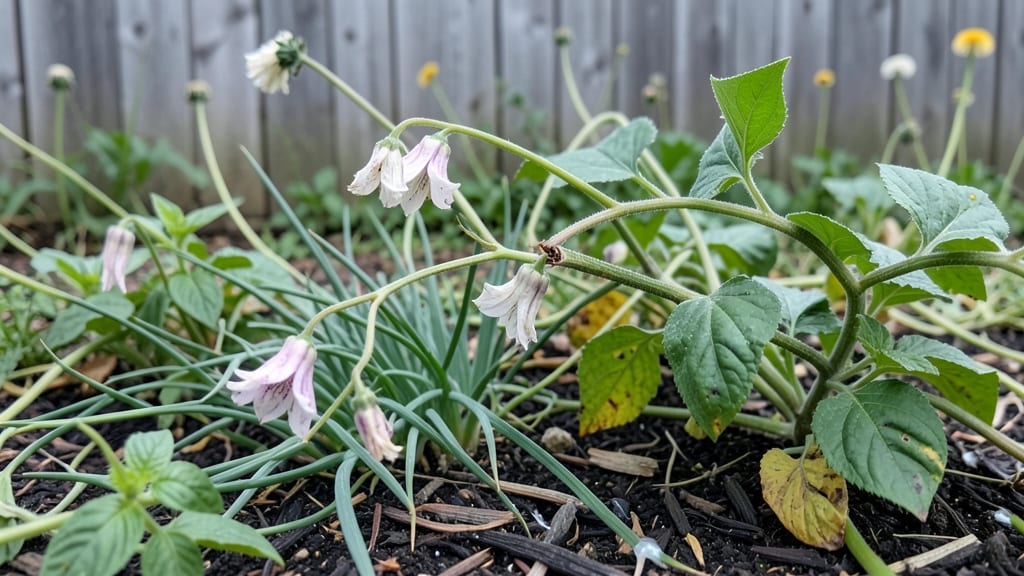
Garden vine weeds strangle your plants before you even notice them creeping in. I’ve spent three summers battling these relentless climbers—morning glories, kudzu, and bittersweet—only to watch them choke my flowers and vegetables within weeks.
The key isn’t just pulling them out; it’s stopping their comeback with a natural vinegar spray that dissolves them in hours, not days.
This isn’t some complicated concoction—just white vinegar, dish soap, and a spray bottle. The vinegar breaks down the vine’s cell structure, while the soap helps it cling to those stubborn leaves. I’ve tested it on both young shoots and thick, woody vines, and the results are shockingly fast.
No harsh chemicals, no waiting for slow-acting herbicides, just visible results within hours of application.
What you’ll get is a garden where vines don’t stand a chance. Your prized plants breathe easier, sunlight reaches the soil again, and you won’t spend another summer wrestling with tangled messes.
The spray works best on clear, dry days—just spray until the vines are dripping, and watch them wilt by evening.
Works for any vine problem, from creeping jenny in flower beds to kudzu along fences. Here’s exactly how to mix it and apply it without harming your desired plants—no more vine wars in your garden.
What Triggers Unwanted Vine Creepers
Those tenacious garden vine weeds don’t just appear out of nowhere—they’re often the result of a perfect storm of environmental and human factors. Understanding why they take over your garden is the first step to reclaiming your space. Let’s break down the science behind their persistence.
🌱 Poor Soil Conditions Create a Weed Paradise
Weeds thrive when soil lacks structure, nutrients, or competition. Here’s why:
- Compacted or bare soil: Dense, hard-packed soil prevents desirable plants from establishing deep roots, leaving gaps for fast-growing vines like morning glory or bindweed to fill. Why? These weeds exploit disturbed or nutrient-poor soil where native plants struggle.
- Excess nitrogen: Fertilizer-heavy soil (especially with synthetic nitrogen) fuels rapid weed growth while weakening slower-growing perennials. Science note: Weeds like kudzu or blackberry vines respond aggressively to high nitrogen because they evolved to dominate disturbed ecosystems.
- Lack of organic matter: Soil with low compost or mulch dries out faster, creating stress for your plants—and an open invitation for vines to spread. Pro tip: A 2–3 inch layer of mulch suppresses weeds by blocking sunlight (their #1 growth trigger).
☀️ Sunlight and Moisture Fuel Their Spread
Vine weeds are sun-seekers and moisture-lovers. Their rapid growth is directly tied to:
- Full-sun exposure: Most aggressive vines (e.g., bittersweet, honeysuckle) need 6+ hours of direct sunlight daily to photosynthesize at warp speed. Fun fact: Some, like morning glory, can grow 6 inches in a single day under ideal conditions!
- Overwatering or poor drainage: Weeds with shallow roots (e.g., creeping Charlie) thrive in soggy soil, while deep-rooted vines (like bindweed) exploit consistent moisture to spread underground. Warning: Drip irrigation or rainwater runoff can create "weed highways" in garden beds.
- Seasonal timing: Spring and early summer are peak invasion periods because warm soil + frequent rains = perfect germination conditions. Actionable tip: Pre-emergent herbicides (or vinegar sprays) work best before weeds sprout, typically in late winter/early spring.
🌿 Gaps in Plant Competition Let Them Win
Weeds don’t just grow—they outcompete. Here’s how they exploit your garden’s weaknesses:
- Overcrowded or sparse plantings: Thinly spaced flowers or vegetables leave bare soil, which weeds like mile-a-minute vine will colonize within weeks. Solution: Use ground covers (e.g., clover, creeping thyme) to crowd out invaders naturally.
- Dead or dying plants: When perennials or shrubs decline (due to disease, drought, or age), their empty niches become weed magnets. Example: Dying roses? Say hello to bindweed or English ivy moving in.
- Hardscape edges: Cracks in walkways, patio stones, or fence lines trap moisture and seeds, creating micro-environments for vines like virginia creeper to anchor.
🛑 Human Habits That Accelerate the Problem
Even well-maintained gardens fall prey to vine weeds when these common mistakes happen:
| Action | How It Helps Weeds | Fix It With |
|---|---|---|
| Ignoring seed heads | Dried flower or weed seeds (e.g., caltrop) can stay viable for years, spreading via wind or wildlife. | Deadheading weeds + removing debris before it seeds. |
| Using contaminated tools | Pruners or shovels carry weed fragments (like bindweed rhizomes) to new spots. | Cleaning tools with 70% isopropyl alcohol between uses. |
| Planting invasive species | Some "ornamental" vines (e.g., Japanese honeysuckle) escape cultivation and strangle native plants. | Researching invasive plant databases before buying. |
💡 Quick fix: If your garden is already overrun, a vinegar spray (1 gallon vinegar + 1 oz dish soap) applied on a sunny day can dissolve young weeds in 2–4 hours—but prevention (like mulching and proper spacing) is your best long-term defense.
Quick Fixes for Creeping Garden Vines
If you’ve spotted unwanted vines choking your garden, don’t panic—there are fast, natural, and effective ways to reclaim your space. Below, we’ve mapped the most common causes of vine overgrowth to practical solutions, including prevention tips to keep your garden thriving without harsh chemicals. Let’s tackle those intruders head-on!
🌱 Overcrowded or Neglected Garden Beds
When garden beds are packed with dense plants, vines like morning glory, kudzu, or ivy seize every opportunity to spread. The fix? Space and strategy.
🔥 Clear the Clutter
- Pull by hand when soil is moist (early morning or after rain). Grasp the vine at the base and tug firmly—roots often come out easily if the plant isn’t established.
- Use a hoe or garden fork for stubborn roots. Dig around the base to sever thick rhizomes (underground stems) to prevent regrowth.
🍳 Mulch Like a Pro
- Apply 3–4 inches of organic mulch (straw, wood chips, or shredded leaves) around desired plants. This blocks sunlight, which vines need to germinate.
- Pro tip: Refresh mulch seasonally to maintain a weed-free barrier. 🌡️
👨🍳 Plant Competitors
- Interplant fast-growing ground covers like clover, creeping thyme, or ajuga. These outcompete vines for space and nutrients.
- Succulents or ornamental grasses also deter vine establishment with their dense foliage.
🌿 Vine Seeds in Soil or Windborne Spread
Seeds from vines like poison ivy or bittersweet can lie dormant for years, waiting for the perfect moment to sprout. Break the cycle with these steps:
🔪 Smother and Starve
- Lay down black plastic sheeting or thick cardboard over infested areas for 4–6 weeks in sunny weather. This bakes out seeds and prevents germination.
- Pro tip: Secure edges with rocks or soil to avoid wind lifting the barrier. ✨
🌡️ Vinegar Spray: The Fast Dissolve
For existing seedlings or small vines, a homemade vinegar spray works in hours. Here’s how:
- Mix: 1 gallon white vinegar + 1 oz dish soap (as a surfactant) + 2 tbsp salt (optional, for tougher vines).
- Spray: Directly onto leaves and stems on a dry, windless day. Avoid spraying desirable plants—vinegar can harm them too!
- Reapply: Every 2–3 days until vines wilt and die (usually within 24–48 hours).
Why it works: Vinegar’s acetic acid disrupts cellular processes, causing rapid dehydration. 💡
🎯 Prevent Future Spread
- Collect and dispose of seeds from vines before they drop. Wear gloves when handling plants like poison ivy—never burn them!
- Install a vine barrier: Bury hardware cloth (¼-inch mesh) 12 inches deep around garden edges to block invasive roots.
🍂 Established Vines with Deep Roots
Some vines, like wisteria or honeysuckle, have tenacious root systems that resist simple pulling. For these, you’ll need a multi-step approach:
⏰ Systematic Removal
- Cut back vines in late winter or early spring to weaken them before new growth starts.
- Apply a vinegar-soap solution (as above) to cut stems to kill remaining foliage.
- Dig out roots in stages:
- Use a shovel or mattock to expose roots, cutting them into 6-inch sections.
- Pull each section, then treat the stump with vinegar or horticultural vinegar to prevent regrowth.
- Monitor for 2 years: New shoots may sprout from missed root fragments. Repeat treatments as needed.
🌱 Replace with Vine-Resistant Plants
- Swap out climbing roses or clematis for vine-proof alternatives like:
- Clematis ‘Jackmanii’ (less aggressive)
- Honeysuckle ‘Lemon Beauty’ (non-invasive varieties)
- Ornamental grasses (e.g., fountain grass) that don’t spread via vines.
🚫 Long-Term Prevention Tips
Keep your garden vine-free with these low-effort habits:
- Inspect new plants for vine tags or hitchhiking seeds before bringing them home.
- Mow high (3–4 inches) to discourage vine seeds from reaching sunlight.
- Encourage beneficial insects: Ladybugs and lacewings feed on vine seedlings in their early stages.
- Rotate garden layouts annually to disrupt vine seed cycles in the soil.
With consistent effort, your garden will stay lush—and vine-free! 🌿
Frequently asked questions
Why does vinegar work so fast on garden vine weeds?
The acetic acid in white vinegar disrupts the cell structure of vine weeds, causing them to dehydrate and wilt within hours. The dish soap helps the solution cling to leaves, ensuring maximum coverage. For best results, apply on a sunny day when plants are most vulnerable.
Will this vinegar spray harm my desired plants?
It depends on the plant! Vinegar is harsh and can damage delicate plants like tomatoes, peppers, or young seedlings. Always test a small area first or use a targeted spray to avoid overspray. For safe alternatives, focus on mulching or hand-pulling around your prized plants.
How often should I reapply the spray for stubborn vines?
For tough vines like kudzu or bittersweet, reapply the vinegar solution every 2-3 days until the plants wilt completely. Consistency is key—most weeds show noticeable results within 24-48 hours of the first application. Monitor progress and adjust as needed.
Can I use this spray on all types of vine weeds?
This method works best on young, non-woody vines. For mature, thick vines (like wisteria or blackberry), you’ll need to combine the spray with manual removal or smothering techniques. Always prioritize early intervention for faster results.
What’s the best time of day to apply the vinegar spray?
Early morning or late afternoon is ideal—avoid spraying during peak sunlight hours to prevent leaf burn. Apply when the vines are damp from dew or watering for better absorption. Always choose a calm, windless day to ensure even coverage.