Tools
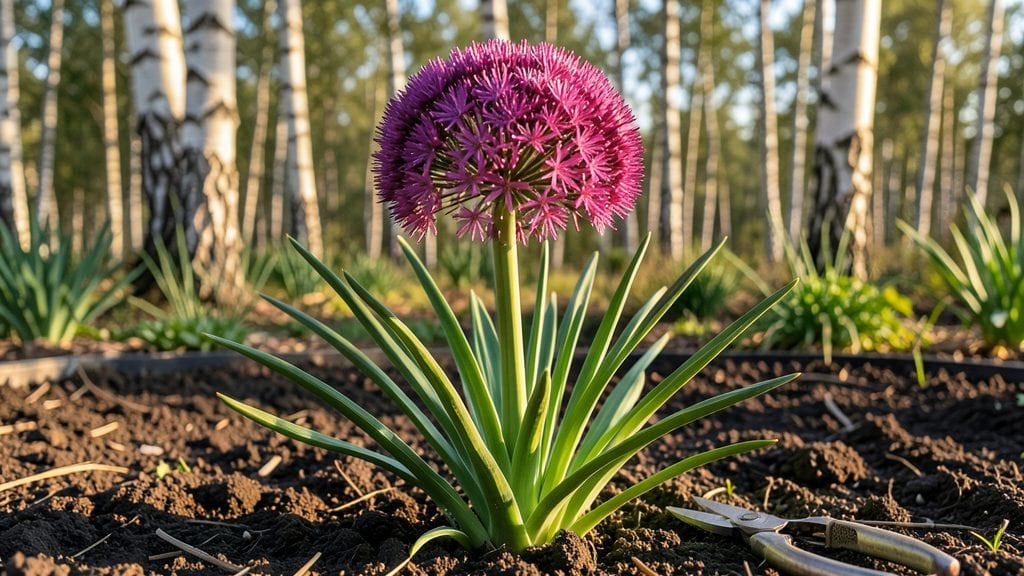
A gardening calendar 2025 is your secret weapon for turning chaotic seasons into a perfectly timed harvest. I’ve spent years juggling planting dates, and this year, I’m finally organizing my chaos into a system that works for every zone—whether you’re in frost-prone Zone 5 or mild Zone 9.
The difference between a garden that thrives and one that struggles often comes down to timing, and this calendar nails it.
No more guessing when to start seeds or prune roses—just clear deadlines tailored to your region. We’re talking March 15 for tomato seeds indoors, May 1 for warm-season crops, and October 1 for garlic in most zones.
The calendar also flags pest prevention windows and seasonal maintenance, so you’re never caught off guard by aphids or winter prep. It’s like having a gardening coach in your pocket, reminding you exactly what to do each month.
By following this, you’ll harvest juicier tomatoes, longer-lasting perennials, and showstopping flowers—all because you planted at the perfect moment. The best part? It adapts to vegetables, flowers, and even perennials, so your entire garden stays on track. Ready to stop second-guessing and start growing with confidence?
Whether you’re a beginner or a seasoned gardener, this calendar cuts through the noise and gives you actionable steps for every month. No more missed deadlines, no more wasted effort—just a garden that performs exactly as you’ve always dreamed. Let’s get started!
📚 In This Guide
- What you need
- Instructions
- Tips and common mistakes
- Wrapping up and next steps
What you need
- ● Hand Trowel – 1 (stainless steel, 6-8" long) for precision planting.
- ● Garden Fork – 1 (heavy-duty, 18-24") for breaking up soil and compost.
- ● Pruners – 1 (bypass pruners for clean cuts) + 1 (felco-style for tough stems).
- ● Garden Gloves – 1 pair (breathable, reinforced palms) to protect from thorns and blisters.
- ● Watering Can – 1 (5-gallon capacity) or a hose with adjustable nozzle for efficiency.
- ● Measuring Tape – 1 (25-foot) for spacing plants and layout planning.
- ● Seed Starting Trays – 2-3 (biodegradable or plastic, 72-cell) for early sowing.
- ● Grow Lights – 1-2 (LED, full-spectrum, 10,000+ lumens) for indoor seedling stages.
- ● Compost – 5-10 gallons (homemade or store-bought, well-aged).
- ● Mulch – 10-15 bags (straw, wood chips, or shredded leaves for moisture retention).
- ● Soil Test Kit – 1 (to check pH and nutrient levels before planting).
- ● Drip Irrigation System – 1 (automated for busy gardeners).
- ● Row Cover/Frost Blanket – 1 (for extending seasons and protecting seedlings).
- ● Plant Markers – 50+ (reusable or biodegradable labels).
- ● Wheelbarrow – 1 (for hauling soil, compost, or harvested goods).
- ● Knee Pads – 1 pair (because gardening is not a young person’s sport!).
- ● Journal/Notebook – 1 (to track planting dates, weather notes, and harvests).
Instructions: month-by-month planting schedule for year-round success
Here's the seasonal roadmap I follow to maximize yields and avoid common timing mistakes.
Plan Your Seasonal Zones and Frost Dates
First, determine your USDA Hardiness Zone and calculate your average last frost date in spring and first frost date in fall. These dates dictate everything from when to sow cold-hardy crops to when to protect tender plants. For example, in Zone 7, I start cool-season crops like lettuce 6 weeks before the last frost—typically mid-March—and begin warm-season plants like tomatoes 2 weeks after. Check your local cooperative extension service for precise dates.
I always mark these dates on a large calendar and highlight critical windows like transplanting time for seedlings. Missing these windows means stunted growth or wasted effort. For instance, planting tomatoes too early in cool soil leads to poor root development, even if the air warms later. Use a planting wheel or online calculator to align your schedule with moon phases and lunar planting cycles if you're into that practice.
Start Cool-Season Crops in Early Spring
As soon as soil temperatures rise above 40°F and can be worked without compaction, sow cool-season crops like peas, spinach, and radishes. In my Zone 7 garden, I begin late February to early March by preparing beds with 2-3 inches of compost and a light application of balanced fertilizer (10-10-10). These crops thrive in 50-65°F soil and can even tolerate light frosts, so I plant them 4-6 weeks before the last frost date for an early harvest.
I always succession-sow radishes and lettuce every 2 weeks to ensure a continuous supply. The key is keeping soil moist but not waterlogged—cool-season crops rot quickly in soggy conditions. Use row covers if late frosts threaten, as a 24-28°F dip can damage young seedlings. Watch for true leaves (the second set after cotyledons) to appear before thinning seedlings to 2-3 inches apart for optimal growth.
Transition to Warm-Season Planting in Late Spring
Once soil temperatures reach 60°F and stay there, it's time for warm-season crops like tomatoes, peppers, and cucumbers. I start these indoors 6-8 weeks before the last frost and transplant them 2 weeks after when nighttime temperatures consistently stay above 50°F. Warm-season plants are finicky about cold—even a single night below 50°F can stunt their growth or cause blossom drop in tomatoes.
Prepare beds with aged compost and a slow-release fertilizer like 14-14-14 to avoid burning tender roots. I always mulch heavily with straw or shredded leaves to retain moisture and suppress weeds. For container-grown plants, ensure pots have adequate drainage and are placed in full sun (6+ hours daily). Watch for first true leaves to harden off seedlings before transplanting to avoid shock.
Maintain Summer Plantings with Careful Watering and Pest Control
During the peak summer months (June-August), focus on consistent moisture—deep watering 1-2 times per week rather than daily shallow watering. I use drip irrigation to keep foliage dry and prevent fungal diseases like powdery mildew. Warm-season crops like okra and sweet potatoes thrive in 75-85°F soil, so I mulch heavily to maintain even temperatures and reduce water evaporation.
This is also the time to succession-sow heat-tolerant crops like beans and Swiss chard every 3-4 weeks for a staggered harvest. Keep an eye out for pests like squash bugs and aphids—handpick them early in the morning when they're sluggish, or use neem oil as a preventative spray. Prune determinate tomatoes to improve air circulation and reduce disease risk, but leave indeterminate varieties to vine freely.
Prepare for Fall and Winter Plantings
As temperatures drop below 80°F in late summer, shift to cool-season crops again. I plant broccoli, kale, and carrots 8-10 weeks before the first frost to ensure they mature before cold sets in. These crops actually sweeten in response to frost, so I often leave them in the ground until 2-3 weeks before hard frosts arrive. Use row covers to extend the season by 4-6 weeks in fall and early spring.
For winter gardens in mild climates (Zones 8-10), I plant garlic, onions, and spinach in October-November to overwinter. These crops handle 30-40°F temperatures well and provide early spring harvests. In colder zones, focus on cover cropping with clover or winter rye to protect soil from erosion and improve fertility for next year. Always clean up diseased plants and rotate crops to prevent soil-borne pathogens from building up.
Tips & tricks for perfect year-round gardening planning
These seasoned insights will help you navigate the complexities of year-round gardening and avoid the pitfalls that derail even the most enthusiastic gardeners.
Zone-Specific Precision: Don't rely solely on general planting charts—your USDA Hardiness Zone dictates everything from frost dates to crop selection. For example, in Zone 7, I've found that starting cool-season crops like lettuce exactly 6 weeks before the last frost (typically mid-March) ensures optimal growth. Use your local cooperative extension service for precise frost date calculations, as these can vary by 2-3 weeks even between neighboring regions. Mark these critical dates on a large calendar with colored markers to visualize your planting windows at a glance.
Soil Temperature Matters: The 40°F soil temperature threshold for cool-season crops is non-negotiable—below this, seeds won't germinate properly. I always use a soil thermometer to verify temperatures before planting, especially in early spring when air temperatures can be misleading. For warm-season crops, wait until soil reaches a consistent 60°F before transplanting seedlings, as cooler soil temperatures can stunt root development and lead to poor establishment. Remember that soil warms more slowly than air, often by 10-15°F.
Succession Sowing Strategy: The 2-week succession sowing interval for radishes and lettuce creates a continuous harvest window that eliminates gaps in your fresh produce supply. I've learned that maintaining this rhythm requires advance planning—calculate your last frost date and work backward to determine planting intervals. For heat-tolerant crops like beans and Swiss chard, extend this to 3-4 weeks during summer months when growth rates accelerate. This method also prevents overcrowding as plants mature at different rates.
Frost Protection Tactics: When temperatures dip to 24-28°F, even cold-hardy seedlings can suffer damage. I've had success using row covers that create a 5-10°F protective barrier without trapping excess moisture. For more sensitive plants, consider temporary cold frames or cloches that can raise temperatures by 15°F or more. Always monitor nighttime temperatures in advance and have these protective measures ready—late-night frosts can strike without warning, especially in spring and fall transition periods.
Pro Tips for Gardening Calendar 2025
- These seasoned insights will help you navigate the complexities of year-round gardening and avoid the pitfalls that derail even the most enthusiastic gardeners.
- Zone-Specific Precision: Don't rely solely on general planting charts—your USDA Hardiness Zone dictates everything from frost dates to crop selection.
- Soil Temperature Matters: The 40°F soil temperature threshold for cool-season crops is non-negotiable—below this, seeds won't germinate properly.
Frequently asked questions
When should I start planting in 2025?
Timing depends on your USDA Hardiness Zone and crop type. Cool-season veggies (like spinach or kale) can go in early spring (March–April) or fall (September–October). Warm-season crops (tomatoes, peppers) wait until after the last frost (May–June). Check your local frost dates for precision!
What if my area has unpredictable weather?
Use row covers or greenhouses to extend seasons. For frost-sensitive plants, opt for fast-maturing varieties (look for "days to harvest" labels). Start seeds indoors 6–8 weeks before the last frost as a backup. Pro tip: Monitor local weather apps for real-time alerts!
Can I plant perennials in 2025?
Perennials (like asparagus, rhubarb, or herbs) thrive when planted in early spring or fall. Give them 6–12 months to establish roots before expecting harvests. Fall planting (September–October) is ideal—they grow slowly in cool weather and avoid summer stress.
What’s the best way to organize my 2025 garden plan?
Start with a sketch or app (like Garden Planner) to map out:
- Sun exposure (6+ hours for veggies, partial for herbs)
- Crop rotation zones (group similar plants together)
- Succession planting spots (e.g., swap lettuce for beans in the same bed)
How do I prevent pests in 2025 without chemicals?
Try these natural defenses:
- Interplant companion crops (e.g., marigolds repel nematodes, basil deters mosquitoes)
- Use row covers for early-season pests like cabbage worms
- Handpick pests early morning (they’re sluggish then!)
- Encourage beneficial insects (ladybugs, lacewings) with native plants
Wrapping up and next steps
Your 2025 gardening journey is just a seed away from blooming into success! 🌱 By following this month-by-month planting guide, you’ll maximize your harvests, save time, and create a thriving garden tailored to your climate.
Whether you’re a seasoned green thumb or a curious beginner, every step—from soil prep to seasonal planting—sets you up for bountiful rewards.
Ready to dig in? Start by bookingmarking this calendar and grabbing your gardening journal. Then, pick one task from January’s checklist (like planning your layout or ordering seeds) to kickstart your year. Happy growing—your future meals (and neighbors!) will thank you! 🌿