Tools
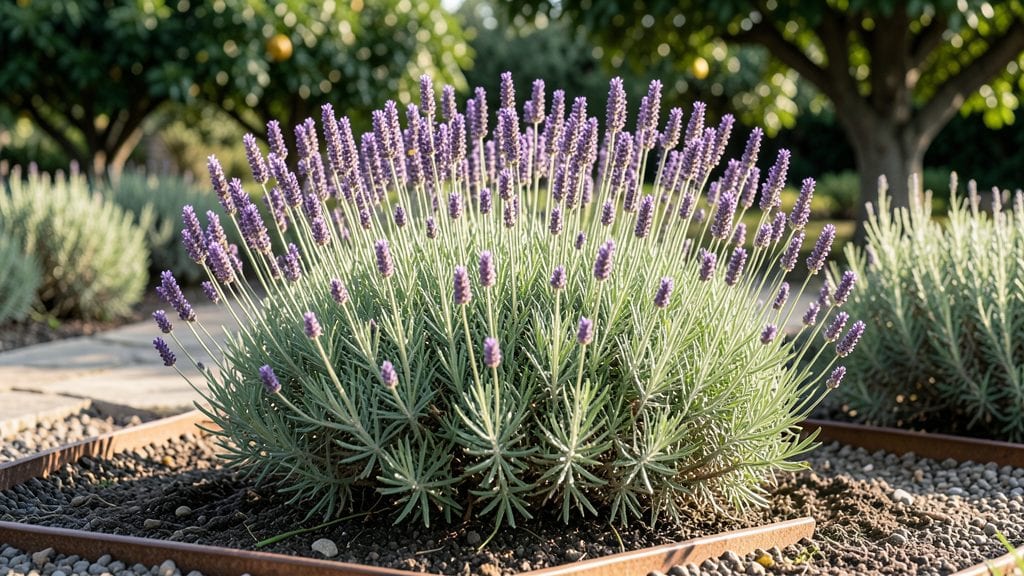
Gardening in Alberta thrives with cold-hardy perennials like coneflowers and lavender, early-season crops such as peas and spinach, and protective techniques like row covers and raised beds to extend the growing season. Alberta’s short summers demand fast-maturing varieties and strategic planting after the last frost (typically late May).
Alberta’s gardening success hinges on understanding its USDA hardiness zones 3-6, where temperatures can swing from -40°F to 90°F in a single season. 🌱 The province’s short growing window (about 100 frost-free days in most areas) means choosing plants that tolerate cold snaps and thrive in rocky, alkaline soil.
I’ve found that microclimates—like south-facing slopes or urban heat pockets—can push zone limits by 1-2 zones, letting you grow marginally tender plants like tomatoes in protected spots.
For vegetables, kale, broccoli, and potatoes are my top picks—they handle Alberta’s cool nights and still produce hearty yields. Perennials like catmint and Russian sage return year after year with minimal fuss, while row covers can add 2-4 weeks to your growing season.
The key is starting seeds indoors in March and hardening them off before transplanting after the last frost, which varies from early May in Calgary to late May in Edmonton.
💡 In This Article
- Alberta’s Unique Climate Zones and Plant Hardiness
- Top Cold-Resistant Vegetables and Perennials for Alberta Gardens
Alberta’s unique climate zones and plant hardiness
Alberta spans USDA hardiness zones 3a to 6a, where winter temperatures can plummet to -40°F (-40°C) while summer highs reach 90°F (32°C). The key factor is cold acclimation—a biological process where plants produce antifreeze proteins and adjust their cell membranes to prevent ice crystal formation.
This is why native species like wild bergamot survive winters that would kill tropical plants. Zone 3 (northern Alberta) has 70-100 frost-free days, while zone 6 (southern Alberta) enjoys 120-150 days, creating a dramatic growing window variation.
The science behind plant hardiness involves chilling requirements—the number of hours below 40°F (4°C) needed to trigger dormancy. For example, apple trees need 500-1,000 hours below this threshold, while Russian olive thrives with just 200 hours.
This explains why some plants struggle in Calgary (zone 4a) but thrive in Lethbridge (zone 5a). Frost-free dates vary wildly: Edmonton averages May 20, while Calgary sees May 10, and rural areas like Brooks can start as early as April 25.
These differences mean your last frost date could be two weeks earlier just 100 miles south.
Microclimates become your secret weapon in Alberta. A south-facing slope can add 1-2 USDA zones of warmth by absorbing sunlight for up to 6 hours longer per day than flat ground. Urban heat islands—where pavement and buildings trap heat—can push temperatures 5-10°F higher than rural areas.
I’ve seen tomatoes thrive in Calgary’s downtown planters when they’d fail in nearby suburban gardens. Conversely, low-lying areas collect cold air and can experience 5°F colder nights.
Plant tags often list zones, but the minimum winter temperature is the real number to watch—look for plants rated for -30°F (-34°C) or lower.
Temperature fluctuations create another challenge: spring frost risks even after last frost dates. A late May freeze can devastate tender seedlings, which is why I always plant heat-loving crops like peppers in black plastic mulch to warm the soil by 5-8°F.
The 10°F rule applies here too—if your zone 5 garden hits -15°F (-26°C), only plants rated for zone 4 or colder are truly safe. This is why Russian sage (zone 4) thrives where lavender (zone 5) may struggle without winter protection.
Here’s how to decode plant tags like a pro: The zone number tells you the average annual minimum temperature the plant can handle. But the cold hardiness rating (often listed as "to -30°F") is more precise.
For example, a zone 5 plant might survive -20°F (-29°C) but die at -25°F (-32°C). In Alberta, this means zone 4 plants are safer bets than zone 5 varieties in northern areas.
Always check both the zone and the specific temperature rating—it’s the difference between a thriving garden and a sad pile of dead plants.
What most gardeners don’t realize is how soil temperature affects planting times more than air temperature. The soil needs to reach 50°F (10°C) for most vegetables to germinate—this can be 2-3 weeks after the last air frost.
I use a soil thermometer to track this, especially in sandy soils that warm faster than clay. In zone 3, this might mean waiting until June 1 to plant tomatoes, while zone 6 gardeners can start May 15.
The 30-day rule also applies: If your last frost is May 20, don’t plant tender annuals until June 19 to avoid late-season surprises.
Pro tip: Use Alberta’s Plant Hardiness Map (available from Alberta Agriculture) to find your exact microclimate. It accounts for elevation, latitude, and local weather patterns—far more accurate than generic zone charts.
For example, Canmore’s zone 4b can grow zone 5 plants in sheltered microclimates, while Grande Prairie’s zone 3a requires zone 2-3 selections. The map even shows growing degree days, which predict when plants will mature based on heat accumulation.
This is how I know my potatoes will be ready by July 15 in zone 5 but need until August 1 in zone 4.