
Gardening in Portugal: Best Climate-Adapted Plants for Year-Round Growth

Planting

Gardening in Portugal: Best Climate-Adapted Plants for Year-Round Growth

Gardening in Portugal turns your outdoor space into a year-round oasis—if you pick the right plants for its sun-drenched climate and rocky soil.

Picture this: 300+ days of sunshine, but also droughts and rocky terrain that can turn your garden into a battleground if you’re not careful. The key? Choosing climate-smart species that thrive without constant fuss.

From drought-resistant lavender to citrus trees that love the heat, I’ll show you which plants flourish effortlessly in Portugal’s 8a-9b zones—plus how to avoid the biggest mistakes that kill gardens here.

Whether you’ve got a balcony in Lisbon or a rural plot in the Algarve, you’ll learn how to maximize growth with minimal water and the right soil tricks.

Top 10 climate-adapted plants that thrive in Portugal’s regions

Portugal’s diverse climate zones—from the sun-drenched Algarve to the cooler Azores—offer unique growing opportunities for gardeners. The key to success lies in selecting native and adapted species that thrive in each region’s specific conditions.

Whether you’re in Lisbon’s urban heat islands or Porto’s temperate coastal climate, these plants will reward you with year-round beauty and productivity.

In the Algarve’s hot, dry summers, drought-resistant succulents and Mediterranean herbs dominate, while Lisbon’s mild winters allow for citrus trees and olive groves to flourish. Meanwhile, Porto’s cooler coastal breezes support lush perennials and flowering shrubs, and the Azores’ oceanic climate thrives with ferns, hydrangeas, and native azaleas.

Let’s explore the top 10 climate-adapted plants for each region.

🌱

<

How to optimize soil and watering for Portugal’s Mediterranean climate

Portugal’s Mediterranean climate demands smart gardening to thrive. The key is balancing soil drainage and water efficiency while working with seasonal rainfall patterns. Unlike rainy northern Europe, Portugal’s dry summers and wet winters create unique challenges. The right approach ensures your plants stay healthy year-round without wasting resources.

Start by assessing your soil’s drainage capabilities. Many Portuguese gardens struggle with clay-heavy soils that trap moisture, leading to root rot. Amending with organic matter like compost or sand improves aeration.

For container gardens, use well-draining mixes with perlite or coconut coir. This simple step prevents drought stress during summer heatwaves while keeping roots oxygenated.

  1. Test soil drainage: Dig a 30cm hole, fill with water, and time how long it drains. 30+ minutes means poor drainage.
  2. Add 3-5cm compost: Mix into topsoil to improve moisture retention and nutrient availability.
  3. Mulch heavily: Use wood chips or gravel (2-3 inches) to reduce evaporation by 50%.
  4. Water deeply: 1-2 times per week in summer, focusing on roots—not leaves—to encourage deep growth.
  5. Leverage winter rains: Store excess water in rain barrels for dry-season use.

Mulching is non-negotiable in Portugal’s climate. A 2-3 inch layer of organic mulch—like pine needles or straw—locks in moisture while regulating soil temperature. For drought-prone areas, consider gravel mulch around succulents and lavender.

This mimics natural Mediterranean landscapes and reduces watering needs by up to 70%. Just avoid piling mulch against plant stems to prevent rot.

Watering schedules must adapt to Portugal’s seasonal shifts. From April to October, water deeply 2-3 times per week in the early morning to minimize evaporation. Use a soaker hose or drip irrigation to deliver water directly to roots.

In cooler months, reduce frequency to once every 10-14 days, relying on natural rainfall. Overwatering in winter can drown roots and attract pests like slugs and fungal diseases.

For container gardens, which are common in urban Portugal, prioritize terracotta pots with drainage holes. These evaporate moisture faster but allow better airflow. Water containers daily in summer and every 2-3 days in spring/fall.

Group pots together to create a microclimate that retains humidity. Add a water-retaining gel to soil mixes for extra insurance during heatwaves.

Finally, leverage Portugal’s regional microclimates. Coastal areas like the Algarve get more consistent moisture, while inland regions near Lisbon or Porto face harsher droughts. Adjust your approach: plant native lavender or rosemary in drier zones, and opt for hydrangeas or fuchsias in shadier, moister spots.

With these strategies, your garden will flourish—even in Portugal’s sunniest summers. 🌿

★★★★★4.9(3 reviews)
Categories Planting
Region Plant Type Sun Needs Water Needs Notes
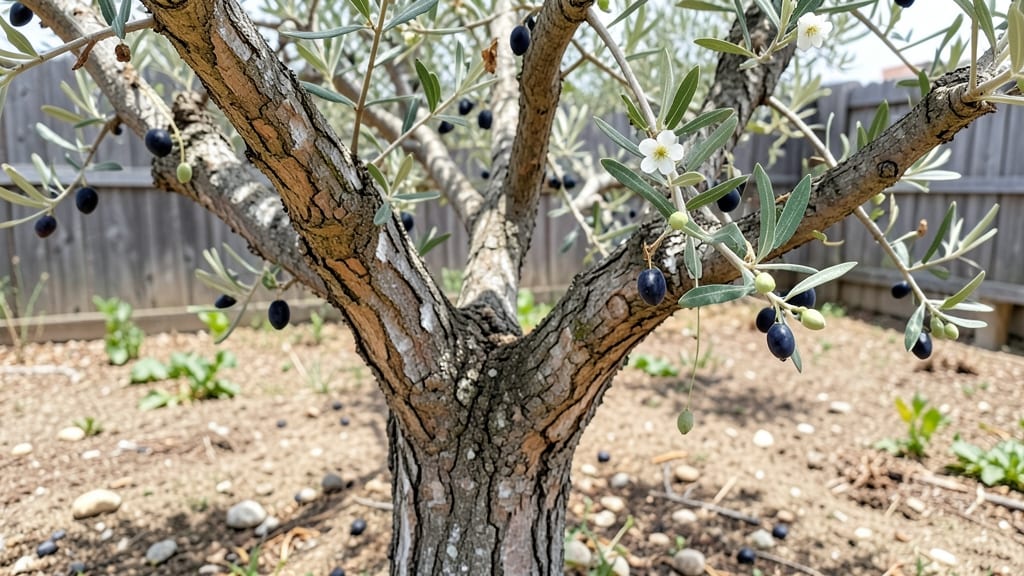
Algarve Olive Tree (Olea europaea) Tree Full Sun Low Drought-resistant; thrives in hot, dry conditions.
Algarve Aloe Vera (Aloe barbadensis) Succulent Full Sun Very Low Medicinal; zero maintenance once established.
Lisbon Orange Tree (Citrus × sinensis) Tree Full Sun Medium Thrives in mild winters; needs well-draining soil.
Lisbon Rosemary (Rosmarinus officinalis) Herb Full Sun Low Drought-tolerant; perennial in Lisbon’s climate.
Porto Hydrangea (Hydrangea macrophylla) Shrub Partial Shade Medium Loves cooler, humid Porto summers; vibrant blooms.
Porto Lavender (Lavandula angustifolia) Perennial Full Sun Low Fragrant; drought-resistant and pest-repellent.