Advice
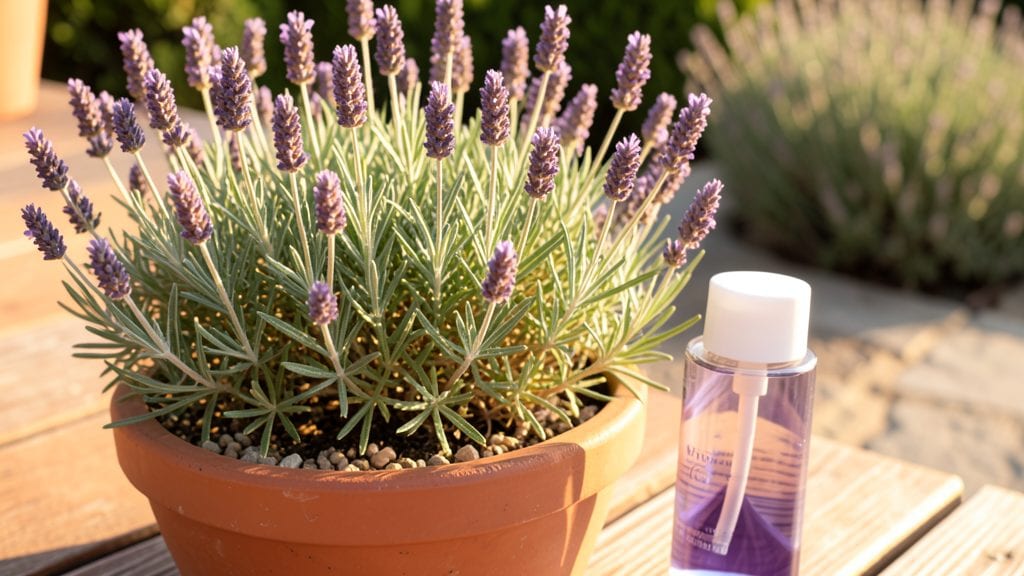
Gardening safety tips start with treating your garden like a workspace, not just a hobby—because a single slip with shears or a chemical splash can turn a sunny afternoon into a trip to the ER.
I’ve spent years working in my raised beds, and the difference between a carefree day and a painful one often comes down to three simple habits: checking your tools before use, wearing the right gear, and knowing when to take a break.
The best gardeners aren’t the ones with the biggest harvests; they’re the ones who finish the season without blisters, back strain, or chemical burns.
Here’s the thing—most injuries happen because we rush or skip steps we think are obvious. Like gripping pruners too tightly and cramping up by midday, or assuming that "natural" means "safe" when handling compost piles (spoiler: ammonia burns are no joke).
The good news? Safety doesn’t require expensive gear or complicated routines. A $10 pair of gloves, a sturdy hat, and learning to lift with your legs instead of your back will prevent 80% of common gardening oops moments.
Even my black-thumb neighbor, who once spent a week icing a thumb from a wayward trowel, now treats his tools like they’re loaded.
What you’ll get from this isn’t just a checklist—it’s a way to garden longer, stronger, and without the aches that sneak up on you.
Picture this: no more wincing when you reach for the shovel, no more squinting through sweat into the sun, and no more wondering why your hands look like they’ve been sanded raw by harvest time.
These tips will keep your skin protected, your joints happy, and your plants thriving—because a safe gardener is a productive one. Let’s get started with the basics that’ll change how you work in the dirt.
And yes, I know that sounds like overkill for "just gardening"—but trust me, your future self will thank you when you’re still weeding at 70 instead of 30. We’ll cover everything from tool maintenance to chemical storage, plus how to spot early signs of overuse before they become injuries.
No fluff, just the stuff that actually works.
Hidden Hazards in Your Garden
Gardening is a rewarding hobby, but beneath the beauty of blooming flowers and lush greenery lie unseen risks that can turn a peaceful afternoon into a medical emergency. Understanding why these dangers exist is the first step to avoiding them.
From microscopic irritants to heavy, unexpected forces, here’s a breakdown of the science behind common gardening mishaps—and how they sneak up on you.
Soil, water, and decaying plant matter are breeding grounds for fungi, bacteria, and viruses that can cause infections or allergic reactions. For example:
- Fungal spores (like those from Coccidioides or Histoplasma) thrive in disturbed soil or compost piles. Inhaling them can lead to respiratory infections such as valley fever or histoplasmosis, especially in hot, dry climates where spores become airborne during digging.
- Bacterial agents, such as Pseudomonas aeruginosa or E. coli, can contaminate water in birdbaths, irrigation systems, or standing puddles. Open wounds or splashes near the face increase exposure risks.
- Plant sap allergens, like those from poison ivy (Toxicodendron radicans) or stinging nettles (Urtica dioica), trigger immune responses. The oil urushiol in poison ivy binds to skin proteins, creating an allergic reaction in 80% of people exposed.
Why it’s sneaky: Many pathogens are odorless and invisible. Even "clean" soil can harbor risks after rain, animal activity, or improper composting. Pro tip: Wear gloves when handling unknown plants or soil, and rinse skin immediately after exposure. 💡
Gardening under the sun exposes you to thermal stress, where your body struggles to regulate core temperature. Here’s how it happens:
- Direct sunlight delivers UV radiation, which damages skin cells and suppresses sweat production. Prolonged exposure (even on cloudy days) can cause sunburn, heat exhaustion, or heatstroke.
- Reflective surfaces, like water or light-colored gravel, amplify UV rays, increasing exposure by up to 50%.
- Dehydration occurs faster than you think: Losing just 1–2% of body water impairs concentration and coordination, raising fall risks.
Why it’s sneaky: Heat stress often starts subtly—dizziness, fatigue, or a headache—before escalating. Pro tip: Schedule tasks for early morning or late afternoon, and wear a wide-brimmed hat (which blocks ~50% more UV than a cap). ⏰
Gardening tools are designed for efficiency, but their mechanics can backfire if misused. Common causes include:
| Tool/Action | Why It’s Dangerous | Science Behind It |
|---|---|---|
| Pruners or shears | Slippery grip + sudden force | Human hands exert 10–15 lbs of pressure when cutting; if the blade slips, the momentum can send the tool flying at 20+ mph, causing lacerations. |
| Lawnmowers | Blade entanglement | The rotating blade spins at 3,000–4,000 RPM, creating a suction effect that pulls in clothing, hair, or limbs with 50+ lbs of force. |
| Heavy pots or bags | Improper lifting technique | Lifting with your back (not legs) strains the lumbar spine, where 60% of disc injuries occur. A 20-gallon pot can weigh 40+ lbs when full. |
Why it’s sneaky: Repetitive motions (like digging) or fatigue can dull focus, increasing risks. Pro tip: Use ergonomic tools with non-slip grips and take 5-minute breaks every hour to reset your muscles. 💪
Creatures like ticks, bees, or even snakes don’t attack on purpose—but their survival instincts put you at risk. Here’s how:
- Ticks (e.g., Ixodes scapularis) latch onto skin and inject Borreliella burgdorferi, the bacterium causing Lyme disease. They’re most active in warm, humid conditions (like early summer) and hide in tall grass or leaf litter.
- Bees/wasps release venom containing melittin, a protein that disrupts cell membranes, causing swelling and anaphylaxis in allergic individuals. Their stingers can deliver venom 10–20 times if stepped on.
- Snakes (like copperheads) rely on camouflage to ambush prey. Their venom contains hemotoxins, which break down tissue and blood cells, leading to severe pain or organ damage.
Why it’s sneaky: Many pests are silent and motionless until disturbed. Pro tip: Wear light-colored clothing (easier to spot ticks) and avoid reaching into dense brush without protective gear. 🎯
Armed with this knowledge, you can spot risks before they strike. Next, we’ll cover actionable steps to shield yourself naturally—without sacrificing your gardening joy! 🌿
Quick Fixes for Common Garden Hazards
Gardening should be a joy—not a source of aches, scrapes, or unexpected surprises. Whether you’re dealing with prickly plants, pesky pests, or slippery soil, these practical solutions will help you turn hazards into harmless moments.
Below, we’ve mapped out cause-to-fix strategies with prevention tips to keep your green space (and your skin) safe.
Cause: Roses, thistles, blackberries, or even overgrown vines can turn a sunny afternoon into a very itchy one. Fix It:
- Wear the right gear 🧤: Long sleeves, thick gloves (like leather or reinforced gardening gloves), and closed-toe shoes are non-negotiable. For extra defense, try thorn-proof sleeves or arm guards (available at garden centers).
- Trim strategically ✂️: Cut back thorny plants away from your path or workspace. Use long-handled pruners to avoid leaning in too close.
- Create a barrier 🛡️: Plant non-thorny ground covers (like creeping thyme or clover) between thorny shrubs and walkways to deter accidental brushes.
Prevent It:
- Label hazards 📛: Mark thorny areas with stakes or flags so you (and kids/pets) know to steer clear.
- Choose alternatives 🌱: Swap roses for thornless varieties (like ‘Knock Out’ roses) or opt for ornamental grasses that won’t snag your sleeves.
Cause: Forgetting sunscreen, working during peak hours (10 AM–4 PM), or ignoring dehydration can leave you red, dizzy, or worse. Fix It:
- Layer up smartly 🧴: Apply broad-spectrum SPF 30+ sunscreen to exposed skin 30 minutes before heading outside. Reapply every 2 hours (or immediately after sweating). Don’t forget your ears, neck, and scalp!
- Hydrate like a pro 💦: Sip water before you feel thirsty—aim for 8–10 oz every 20 minutes in hot weather. Add electrolytes (like coconut water) if you’re sweating heavily.
- Take shade breaks ☁️: Work in dappled sunlight (under trees or a shade cloth) during peak heat. If possible, schedule tasks for early morning or evening.
Prevent It:
- Wear a hat with a brim 🎩: A wide-brimmed hat (3+ inches) blocks 50% more UV than a cap.
- Dress for the weather 👕: Lightweight, loose-fitting, long-sleeved clothing in breathable fabrics (like linen or moisture-wicking synthetics) beats tank tops in summer.
Cause: Bees, wasps, mosquitoes, or chiggers turn your garden into an itchy battlefield. Fix It:
- Distract & deter 🌿: Plant bee-friendly but sting-free flowers (like lavender or marigolds) to lure bees away from you. For mosquitoes, citronella plants or basil near seating areas help.
- Use EPA-approved repellents 🛡️: Apply picaridin or DEET-based sprays (20–30% concentration) to skin or clothing. For chiggers, permethrin-treated clothing is a game-changer.
- Stay calm if stung 🐝: If a bee stings you, scrape (don’t squeeze) the stinger with a fingernail or card. Apply a cold compress and antihistamine cream to reduce swelling.
Prevent It:
- Avoid bright colors/scented lotions 🌈: Bees and wasps are drawn to perfumes, lotions, and floral prints—opt for neutral tones and unscented products.
- Check for nests 🏠: Before digging or pruning, inspect bushes and eaves for wasp nests. If you spot one, call a pro—don’t risk a swarm!
Cause: Wet soil, loose mulch, or hidden roots turn your garden into a slip ‘n’ slide. Fix It:
- Clear debris daily 🧹: Rake up leaves, twigs, and weeds from walkways. Stabilize mulch with a landscape fabric underneath to prevent shifting.
- Add traction 👟: Lay down non-slip mats or gravel paths in muddy areas. For steps, use anti-slip treads.
- Light it right 💡: Poor lighting hides holes and obstacles. Install solar-powered path lights or motion-sensor floodlights near entry points.
Prevent It:
- Wear supportive shoes 👢: Closed-toe shoes with deep treads (like hiking boots or rubber-soled sneakers) grip better than sandals.
- Mark hazards ⚠️: Use reflective stakes or painted rocks to outline raised beds, tree roots, or irrigation lines.
Cause: Mixing wrong fertilizers, ignoring labels, or skipping PPE (personal protective equipment) leads to burns, poisoning, or plant damage. Fix It: - Read labels like a pro 📖: Follow exact dosage instructions—more isn’t better!
Mix chemicals in a well-ventilated area (never indoors). - Wear safety gear 🛡️: Goggles, gloves, and a mask (like an N95) protect against fumes and skin contact. Long sleeves shield from splashes. - Dilute properly 💧: If mixing concentrates, measure twice and use a separate container (never your watering can).
Rinse tools immediately after use.
Prevent It:
- Store chemicals safely 🏪: Keep them in a locked shed, away from kids and pets. Use original containers (never repurpose food jars!).
- Go organic when possible 🌱: Swap harsh chemicals for neem oil, vinegar, or compost tea to reduce risks.
- Keep a first-aid kit handy 🩹: Include antiseptic wipes, bandages, tweezers, hydrocortisone cream, and allergy meds.
- Teach kids garden safety 👧🧒: Show them how to spot hazards, use tools properly, and wash hands after playing.
- Inspect tools regularly 🔧: Rusty or dull tools cause slips and strains—sharpen blades and oil hinges to prevent accidents.
Remember: Most garden mishaps are avoidable with preparation and awareness. By tackling hazards head-on, you’ll enjoy your garden without the ouches—just the satisfaction of a job well done! 🌱✨
Frequently asked questions
What's the #1 safety mistake beginners make in the garden?
Skipping sunscreen and hydration—even on cloudy days! Prolonged sun exposure without protection causes 80% of gardening-related skin damage, while dehydration impairs focus and coordination. Always wear SPF 30+ and sip water every 20 minutes in warm weather.
Are cheap gardening gloves worth it for safety?
Not always. Thin or flimsy gloves offer little protection against thorns, chemicals, or sharp tools. Invest in reinforced leather gloves for pruning or nitrile-coated gloves for chemical handling—they prevent punctures and chemical burns. A $15 pair can save you from a $500 ER visit!
How do I safely remove ticks after gardening?
Use fine-tipped tweezers to grasp the tick as close to the skin as possible, then pull upward with steady pressure. Avoid twisting or squeezing the body. Clean the bite with rubbing alcohol or soap and water, then monitor for rash or fever (Lyme disease symptoms). Never use folk remedies like burning or suffocating ticks.
Can I use regular household vinegar as a weed killer safely?
Yes, but with precautions! Mix 1 gallon of white vinegar with 1 cup of salt and 1 tablespoon of dish soap for a natural herbicide. Wear gloves and eye protection, apply on a dry day, and avoid spraying near desirable plants—vinegar can harm them too. Test on a small area first.
What should I do if I inhale pesticide fumes while mixing?
Move to fresh air immediately and breathe slowly. If you feel dizzy or short of breath, seek medical help. Always mix chemicals outdoors in a well-ventilated area, wear a mask rated N95 or higher, and never store pesticides indoors. Keep a first-aid kit nearby with activated charcoal tablets for emergencies.