
Tools
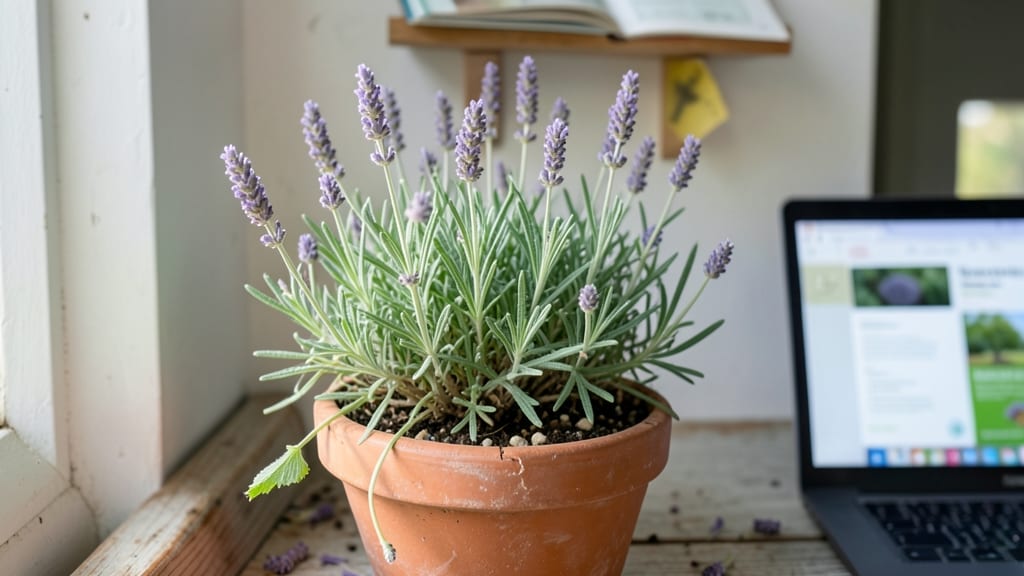
Online gardening schools provide accredited programs that combine virtual instruction with practical horticulture training, teaching botany, soil science, and eco-friendly techniques for both hobbyists and career-focused learners.
These programs stand out by offering flexible schedules and global access to experts, making them ideal for busy professionals or those in remote areas. 🌱 Many include virtual plant ID labs and soil analysis tools that bridge the gap between theory and real-world application.
The best online schools even partner with local nurseries for supervised fieldwork, ensuring graduates gain hands-on experience despite the digital format.
What sets them apart from traditional schools is their ability to integrate modern technology—like drone mapping for landscape design—while maintaining rigorous academic standards. For example, programs specializing in organic certification often require students to document their own garden projects, proving their skills in sustainable practices.
💡 In This Article
- How Online Gardening Courses Compare to Traditional Schools
- Top Accredited Online Gardening Certifications by Specialty
How online gardening courses compare to traditional schools
Online gardening programs leverage digital platforms to deliver education through video lectures, interactive forums, and virtual labs—eliminating geographic barriers while maintaining academic rigor. These schools often partner with physical botanical gardens or nurseries to provide supervised fieldwork opportunities, ensuring students still engage with real plants and soil samples.
The flexibility allows learners to complete coursework at 2-3 hours per week, compared to traditional schools requiring 10-15 hours of in-person attendance.
Cost savings are another major advantage. Online programs typically charge $500-$2,000 per year—about 40% less than traditional schools—while still offering accredited certifications recognized by industry organizations like the American Society for Horticultural Science.
Virtual programs also eliminate commuting costs and housing expenses, making them ideal for working professionals or those in rural areas with limited access to local institutions. 🌱
Curriculum depth varies, but top online schools now match traditional programs in botanical science coverage. For example, Penn State's online Master of Professional Studies in Horticulture includes virtual plant physiology labs using high-resolution microscopy images, while traditional programs rely on physical specimen collections.
Both formats teach soil chemistry, but online courses often incorporate digital tools like soil pH meters and nutrient analyzers for remote diagnostics.
However, hands-on limitations remain the biggest trade-off. Traditional schools provide immediate access to greenhouses, propagation labs, and live plant collections, while online students must often wait for mail-order plant shipments or arrange local partnerships.
This delay can extend practical learning cycles by 4-6 weeks compared to in-person programs where students work with live specimens weekly. The sensory experience—touching different soil textures or smelling fresh herbs—is harder to replicate virtually.
Technology bridges some gaps through augmented reality (AR) plant ID apps and 360° virtual greenhouse tours. Schools like the University of Florida's IFAS Extension offer AR tools that let students identify plants through their smartphones, combining digital learning with real-world application.
These innovations make online programs nearly as effective for theoretical knowledge while still requiring students to seek local fieldwork opportunities for certification.
For career-focused learners, the choice depends on specialization. Urban gardening programs benefit most from online flexibility, while landscape design students may prefer traditional schools for their access to large-scale outdoor projects. Both formats now offer similar academic content, but the hands-on experience remains the defining factor in program selection. 💫