
Tools
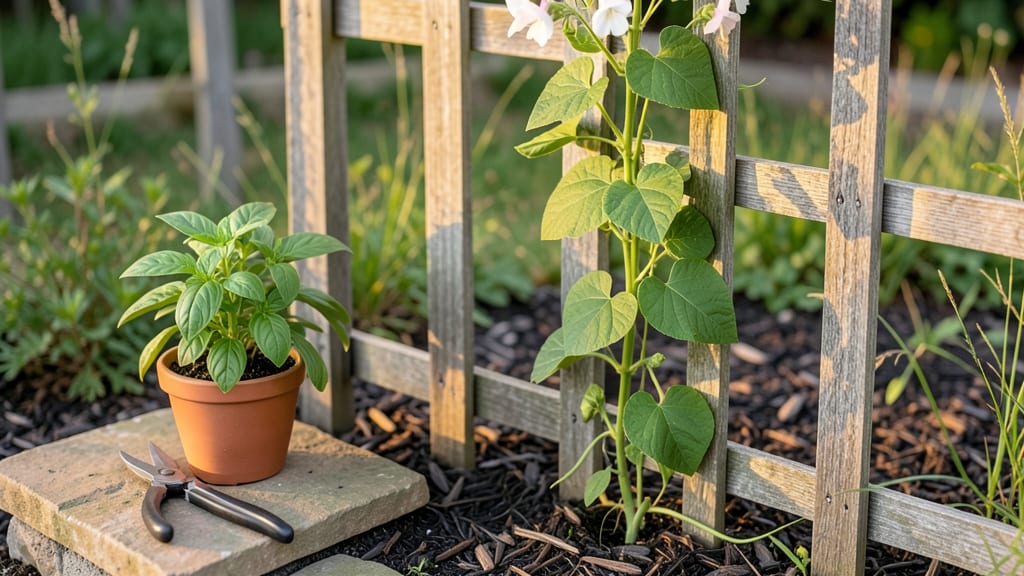
Transforming my cramped backyard into a high-yield garden started with a simple metal trellis and a handful of climbing plants. The moment I saw cucumbers curling upward instead of sprawling across the soil, I knew I’d never go back to flat planting again.
Vertical gardening isn’t just about saving space—it’s about creating drama in the garden while keeping everything accessible and productive.
You’ll need just a few basics: sturdy trellises (metal, wood, or even repurposed fencing), fast-growing vines like pole beans or morning glories, and a sunny spot. The key is matching the right plant to the right support—heavy vines need strong structures, while delicate flowers thrive on lightweight lattice.
My first setup cost under $30 and now produces more tomatoes than my entire in-ground bed ever did.
Imagine lush green walls of peas, fragrant jasmine climbing your porch, or cherry tomatoes dangling within arm’s reach. The best part? No more wasted ground space for weeds or struggling plants.
By summer’s end, you’ll have a vertical garden that’s both beautiful and shockingly productive—plus, the breeze through the vines makes the whole yard feel alive.
Works for balconies, patios, or even small yards—just adjust the trellis size to your space. Whether you’re growing food or flowers, this method turns limitations into opportunities. Let’s get those vines climbing!
📚 In This Guide
- What you need
- Instructions
- Tips and common mistakes
- Wrapping up and next steps
What you need
- ● Trellis Structure: Wooden lattice panels (4’x8’ or custom size) – 1-2 panels (depending on space)
- ● Metal or PVC trellis kits (pre-assembled) – 1 kit
- ● Bamboo stakes or wooden posts (4’-6’ tall) – 4-6 stakes (for freestanding trellises)
- ● Galvanized wire mesh (for DIY trellises) – 1 roll (1/2" or 1" grid)
- ● Fasteners & Hardware: Galvanized screws/nails (2"–3") – 50+ pieces
- ● Zip ties or garden twine – 1 pack (for securing vines)
- ● Concrete anchors or stakes – 4-6 pieces (for stability)
- ● Climbing Plants: Seeds/seedlings (e.g., cucumbers, beans, peas, pole beans, or roses) – 5-10 plants (check spacing requirements)
- ● Potting mix or compost – 1-2 bags (20 lbs each)
- ● Tools: Drill/driver (with bit set) – 1
- ● Measuring tape – 1
- ● Level – 1 (for even installation)
- ● Pruning shears – 1 pair
- ● Gloves – 1 pair (for handling plants and hardware)
- ● Automatic watering system or drip irrigation kit – 1 (for hassle-free care)
- ● Plant support ties (soft fabric or Velcro straps) – 1 pack (gentler on vines)
- ● Solar-powered garden lights – 2-4 (for evening ambiance and safety)
- ● Decorative paint or stain – 1 can (to match your garden aesthetic)
- ● Vertical garden pockets or fabric grow bags – 1-2 (for extra planting space)
Step-by-Step guide to installing a vertical trellis garden
Here's how to transform limited space into a thriving vertical garden using sturdy trellises.
Choose and Prepare the Trellis Location
Select a spot that receives at least 6 hours of sunlight daily—most climbing plants need full sun to produce their best yields. I like to place trellises against a sturdy fence or wall where they won’t be disturbed by foot traffic. If your space gets afternoon shade, opt for shade-tolerant climbers like morning glories or clematis instead of sun-lovers like cucumbers or beans.
Check the surface for stability. If mounting to a wall, use L-brackets or heavy-duty screws rated for outdoor use. For freestanding trellises, drive stakes 12 inches deep into the ground and secure the base with 4-6 inches of concrete (if using metal stakes) or tie them to existing posts with twine. This prevents wobbling when vines get heavy with fruit or flowers.
Install the Trellis Structure
Assemble the trellis according to the manufacturer’s instructions, ensuring all connections are tight. For DIY trellises made from wooden slats or wire mesh, space the vertical supports 12-18 inches apart to give plants room to climb without crowding. If using bamboo or metal arches, position them 3-4 feet apart in a row for larger vines like pole beans or kiwi.
Adjust the height based on your plants. Cucumbers and squash need 5-6 feet of vertical space, while beans and peas thrive on 4-5 foot trellises. For grapes or kiwi, plan for 8-10 feet of support. Once installed, give the structure a gentle shake to test stability—it should hold firm without bending.
Plant at the Right Time and Depth
Wait until after the last frost date in your area before planting. Most climbing plants perform best when soil temperatures reach at least 60°F. Dig a hole twice as wide as the root ball but no deeper—planting too deep can suffocate roots. For seeds, follow packet instructions for depth, but aim for 1 inch deep for most varieties.
Place the plant or seed near the base of the trellis, about 6 inches away from the support. This gives roots room to establish before vines start climbing. Water deeply right after planting to settle the soil and encourage root growth. If using fast-growing vines like cucumbers, add a stake or twine next to the plant to guide the first tendrils upward.
Train Vines and Maintain Growth
As vines emerge, gently tie or weave them onto the trellis every 3-5 days to prevent tangling. Use soft plant ties or old fabric strips—avoid wire or anything that can cut into the stems. For self-clinging plants like morning glories, you can skip tying, but prune any side shoots that grow away from the trellis to focus energy upward.
Water at the base of the plant in the morning to reduce disease risk. Most climbing plants need 1-1.5 inches of water weekly, but check the soil—if the top 2 inches feel dry, it’s time to water again. Fertilize lightly with a balanced 10-10-10 formula every 4-6 weeks to encourage lush growth without overfeeding.
Prune and Harvest for Maximum Yield
Regular pruning keeps air circulating and directs energy to fruit production. Pinch off the first few flowers on cucumbers and beans to encourage stronger vines before harvest. For grapes or kiwi, remove any suckers growing below the main trunk to improve air flow and fruit quality.
Harvest frequently—cucumbers, beans, and peas produce best when picked young and often. Check plants every 2-3 days during peak season. If vines start to sag or slow growth, add a light mulch around the base to retain moisture and cool roots. With proper care, a well-supported trellis can produce 30-50% more than ground-level planting!
Tips & tricks for perfect vertical trellis gardening
A few key strategies will help you avoid common pitfalls and maximize your vertical garden's potential.
Location and Sunlight: The 6 hours of sunlight mentioned in Step 1 is non-negotiable for most climbing plants. If your space gets afternoon shade, consider using shade-tolerant varieties like morning glories or clematis instead of sun-lovers. I've found that even partial shade can reduce yields by up to 40% for sun-dependent plants like cucumbers. Position your trellis where it gets morning sun and afternoon light if possible—this often makes a noticeable difference in growth patterns.
Stability is Everything: When securing freestanding trellises, I can't stress enough how important those 12 inches of stake depth are. I learned this the hard way after watching a trellis topple during a summer storm. For extra security, especially in windy areas, consider adding guy wires or additional stakes. The gentle shake test in Step 2 is crucial—if it wobbles, it won't hold your mature vines. For wall-mounted trellises, use outdoor-rated hardware that can support at least 50 pounds per plant.
Plant Placement Matters: The 6-inch distance from the trellis in Step 3 gives roots room to establish, but don't place plants too far away either. I've seen beginners put seeds 12 inches from the support, and the vines struggle to reach the trellis properly. For fast climbers like cucumbers, add that stake or twine immediately after planting to guide the first tendrils. This simple step can double your success rate with vining plants.
Watering Wisdom: The 1-1.5 inches of water weekly guideline in Step 4 works well, but timing matters just as much. I've found that morning watering prevents fungal issues by allowing foliage to dry completely before evening. When checking soil moisture, use your finger to feel the top 2 inches—this is more reliable than guessing. For container-grown plants on trellises, you might need to water every other day during hot spells, as containers dry out faster than in-ground planting.
Pro Tips for Gardening With Trellises
- A few key strategies will help you avoid common pitfalls and maximize your vertical garden's potential.
- Location and Sunlight: The 6 hours of sunlight mentioned in Step 1 is non-negotiable for most climbing plants.
- Stability is Everything: When securing freestanding trellises, I can't stress enough how important those 12 inches of stake depth are.
Frequently asked questions
Got questions about trellis gardening?
You’re not alone! Here are answers to some of the most common queries to help you grow like a pro—even in tight spaces.
What’s the best time of year to install a trellis for climbing plants?
Install your trellis before planting vines in spring, ideally in early spring or late winter. This gives roots time to establish and climb quickly. For warm-climate plants (like beans or cucumbers), late winter is perfect. Pro tip: If retrofitting, do it early in the growing season to avoid stressing mature plants!
How do I prevent my plants from falling over or breaking under heavy vines?
Use sturdy materials like powder-coated metal or heavy-duty wood for trellises. Secure them deeply into the ground (at least 12–18 inches) or anchor with stakes. For large vines (e.g., pumpkins or melons), add horizontal crossbars every 2–3 feet to distribute weight. Bonus: Prune vines regularly to avoid overloading!
Can I use trellises for non-climbing plants, like herbs or lettuce?
Trellises work great for upright herbs (dill, basil) or leafy greens (lettuce, spinach) to save space. Use smaller, lightweight frames (like A-frame or obelisks) and train plants with soft ties. Avoid heavy vines—stick to lightweight foliage for best results. Fun fact: Vertical herbs dry faster and stay pest-free!
What’s the easiest DIY trellis I can make at home?
Try a bamboo teepee or wire mesh grid for a no-fuss option. For a teepee, bundle 4–6 bamboo stakes (6+ feet tall) at the top with twine. For grids, bend galvanized wire into a square frame and attach to stakes. Budget hack: Repurpose old ladders or fencing for a rustic look!
How do I keep pests away from my trellis-grown plants?
Pests like aphids or cucumber beetles love trellised plants too! Prevent them with:
- Neem oil sprays (weekly for prevention).
- Reflective mulch (aluminum foil) to deter crawling insects.
- Encourage beneficial bugs (ladybugs, lacewings) nearby.
- Prune infested leaves immediately and dispose of them far from the garden.
Wrapping up and next steps
Vertical trellis gardening is your secret weapon for turning small spaces into lush, high-yielding gardens—no matter your green thumb level! 🌱 From saving space to boosting airflow and pest control, trellises unlock a world of possibilities for climbers like cucumbers, beans, and roses.
Start small, experiment with designs, and watch your plants thrive upward instead of outward.
Ready to get growing? Pick one plant to trellis this weekend—whether it’s a sun-loving tomato or a fragrant jasmine vine—and let your walls (or balcony!) do the heavy lifting. Happy gardening!