Tools
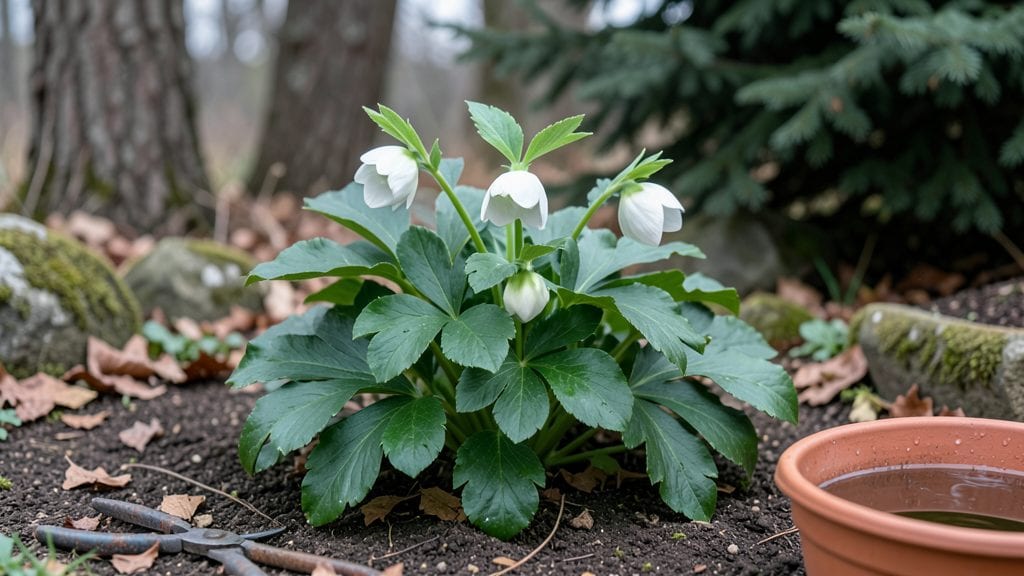
Understanding gardening zones in Europe transforms your garden from a gamble to a guaranteed success. 🌱 I spent years struggling with plants that thrived one season and froze the next—until I learned how to match varieties to my local climate zone.
The RHS hardiness ratings (used across the UK and Europe) replace the USDA zones here, and they’re the key to choosing plants that survive winters without wilting in summer heat.
Most of Europe falls between zones 4 and 9, with Mediterranean coasts hitting 10 and Alpine regions dropping to 2. Your zone determines everything from frost dates to which roses or lavender will thrive.
For example, zone 6 (common in France and Germany) can handle winters down to -10°F, while zone 8 (Southern Spain) rarely sees frost. Microclimates—like urban heat islands or sheltered valleys—can shift your effective zone by 1-2 levels, so always check local records.
Once you know your zone, plant selection becomes straightforward. Zone 5 gardeners can grow hardy perennials like peony and salvia, while zone 9 cooks up drought-tolerant lavender and rosemary without a second thought.
The real magic happens when you match bloom times to your climate—spring bulbs in zone 4 need early planting, while zone 10 gardens can enjoy year-round growth with the right irrigation.
Here’s the secret weapon: use your zone to time everything from first frost to last heatwave. A zone 6 gardener might start tomatoes indoors in March, while a zone 8 gardener waits until April—same plant, totally different results.
With this system, your garden won’t just survive; it’ll flourish exactly where you are.
📚 In This Guide
- What you need
- Instructions
- Tips and common mistakes
- Wrapping up and next steps
What you need
- ● Soil Test Kit – Determine pH and nutrient levels (€10-€20). Pro tip: Adjust soil with lime (for acidic) or sulfur (for alkaline) based on zone needs! 🌡️
- ● Compost or Organic Fertilizer – 5-10 kg per 1m² (€5-€15). Opt for zone-specific blends (e.g., nitrogen-rich for cooler climates).
- ● Mulch – Straw, bark, or leaves (10-15 cm layer). Pro tip: Use gravel in Mediterranean zones to retain moisture! 💡
- ● Watering System – Drip Irrigation (€20-€50) – Ideal for dry zones (e.g., Spain, Italy).
- ● Rain Barrels (€30-€60) – Collect water in wetter zones (e.g., UK, Scandinavia).
- ● Hand Trowel (€5-€15) – For precise planting in small spaces.
- ● Pruners (€10-€30) – Bypass pruners for clean cuts (critical in Zone 8+ for frost-sensitive plants).
- ● Garden Gloves (€8-€20) – Heavy-duty for thorny plants (e.g., roses in Zone 6).
- ● Wheelbarrow (€40-€80) – For hauling soil/rocks (essential in rocky zones like the Balkans).
- ● Cold Frame (€50-€100) – Extend growing seasons in Zones 4-5 (e.g., Germany, Poland).
- ● Shade Cloth (€15-€40) – Protect plants in Zones 9-10 (e.g., Greece, southern France) from intense sun.
- ● Soil Heating Mats (€20-€50) – Jumpstart spring in Zone 3 or colder (e.g., Scandinavia).
- ● Plant Support Stakes (€5-€15) – For tall plants in windy zones (e.g., coastal UK, Netherlands).
How to select and use Europe’s gardening zones for plant success
Understanding Europe’s gardening zones unlocks the right plants for your climate—no more trial and error.
🌍 Step 1: Identify Your European Hardiness Zone
Europe uses the USDA Hardiness Zone Map (now updated to 2023) to categorize climates by average minimum winter temperatures. Find your zone by entering your city or postal code on the official USDA Plant Hardiness Zone Map. Most of Western Europe falls between Zone 6 and 9, while Scandinavia and the Alps range from Zone 2 to 5.
This is the foundation—skipping this step means guessing which plants will thrive. For example, Zone 7 (common in France and parts of Germany) supports tender perennials like lavender, while Zone 4 (Scotland, Poland) demands hardier choices like heather or dwarf conifers. Double-check your zone—many urban areas have microclimates that differ by just a few degrees.
☀️ Step 2: Adjust for Microclimates and Local Conditions
Your garden’s exact conditions may differ from the general zone. Sheltered spots (like south-facing walls) can be 2-3 zones warmer, while frost pockets (valleys, shaded areas) may drop 5°F colder than the official zone. Observe your space for at least a full year—note where frost lingers longest and where heat builds up in summer.
I always test a small patch with frost-sensitive plants (like pelargoniums) to see how they survive winter. If they die back but regrow in spring, you’re likely in a warmer microclimate than the zone suggests. Adjust your plant choices accordingly—Zone 6 might safely grow Zone 7 plants in a sheltered microclimate.
🌿 Step 3: Match Plants to Your Zone’s Growing Season
Europe’s growing seasons vary wildly—Southern Spain (Zone 10) has year-round growth, while Northern Scandinavia (Zone 2) has just 3-4 months of usable soil. Use your zone to determine last frost dates (critical for warm-season crops) and first frost dates (key for tender perennials).
For example, in Zone 5 (UK, Netherlands), plant cool-season crops (kale, peas) in early spring and warm-season crops (tomatoes, basil) only after May 15, when soil temperatures reliably stay above 50°F. In Zone 8 (Italy, southern France), you can extend seasons with fall planting—just choose varieties that tolerate light frosts (like broccoli or spinach).
⏰ Step 4: Plan for Seasonal Adjustments
Europe’s zones also dictate dormancy periods. In Zone 3-4 (Alps, Baltic), many perennials (like hostas or asters) need 6-8 weeks of winter chill to rebloom. In Zone 9-10 (Mediterranean), plants like bougainvillea won’t survive winter unless protected or grown as annuals. Adjust your garden layout to group cold-hardy plants together and shelter tender ones with frost cloth or moveable containers.
I always keep a seasonal planting calendar for my zone—it lists when to sow, transplant, and harvest based on local frost dates. For instance, in Zone 6, I start tomato seeds indoors in March and harden them off by mid-May, ensuring they mature before the first frost in October. This timing ensures a full harvest window.
🪴 Step 5: Choose Container-Friendly Plants for Zone Flexibility
Containers let you override your zone’s limits by moving plants indoors or to sheltered spots during extreme weather. In Zone 5, I grow geraniums and fuschias in pots—bringing them inside before 28°F frosts. Similarly, Zone 8 gardeners can overwinter tender citrus in greenhouses or on patios during winter.
When selecting container plants, prioritize compact varieties (like ‘Patio’ tomatoes or ‘Window Box’ petunias)—they thrive in limited space and can be moved easily. Just ensure pots have drainage holes and use lightweight potting mix to avoid root stress during transitions. This strategy lets you expand your plant palette beyond your zone’s natural limits.
Tips & tricks for perfect European gardening zones
Mastering Europe's gardening zones takes more than just knowing your number—it's about understanding how to work with your climate's unique quirks.
Zone Map Nuances: The USDA map shows average minimum winter temperatures, but real-world conditions vary. For example, coastal areas in Zone 7 might experience milder winters than inland areas due to ocean currents. I always cross-reference my zone with local weather station data for at least three years to get an accurate picture of my specific microclimate. This helps explain why your neighbor's garden thrives with plants that struggle in yours—it's not just about the zone number.
Microclimate Testing: Step 2's suggestion to test with frost-sensitive plants is brilliant, but here's the pro move: create a "test bed" with three different locations—full sun, partial shade, and a frost pocket. Plant the same variety in each spot and monitor their survival. You'll quickly identify which areas can support which plants. I've found that my south-facing wall (Zone 8) can handle Zone 9 plants reliably, while my north-facing corner (Zone 6) struggles with anything below Zone 5 hardiness.
Seasonal Calendar Strategy: Building a seasonal planting calendar transforms guesswork into precision. Start by noting your last frost date (use local weather records, not just the zone average) and work backward from your first frost date. For Zone 6, I schedule cool-season crops to mature by late October, leaving room for a fall harvest before winter sets in. Don't forget to account for your plants' specific maturity rates—some varieties need 60 days to harvest, others 90.
Container Hack: When using containers to extend your zone's limits, pay special attention to root zone temperatures. In Zone 5, I bury my containers partially in the ground during winter to protect roots from 28°F temperatures. For tender plants, I use insulated grow bags filled with a mix of coconut coir and perlite—they retain heat better than regular potting soil and help buffer temperature swings. This simple adjustment lets me grow Zone 7 plants reliably in my Zone 5 garden during summer months.
Pro Tips for Gardening Zones Europe
- Mastering Europe's gardening zones takes more than just knowing your number—it's about understanding how to work with...
- Zone Map Nuances: The USDA map shows average minimum winter temperatures, but real-world conditions vary. For example...
- Microclimate Testing: Step 2's suggestion to test with frost-sensitive plants is brilliant, but here's the pro move: ...
Frequently asked questions
Got questions about gardening zones in Europe? You’re not alone! Here are some of the most common queries—and their answers—to help you navigate planting with confidence.
What are gardening zones, and how do they apply to Europe?
Gardening zones (like the USDA Hardiness Zones) classify regions by average winter temperatures to help you pick plants that thrive in your climate. In Europe, the RHS Hardiness Ratings (Royal Horticultural Society) are widely used, ranging from H7 (mildest, e.g., Mediterranean coasts) to H1 (harshest, e.g., Alpine regions). Check your zone to avoid frost damage and maximize growth!
When is the best time to plant in my European gardening zone?
Timing depends on your zone! In warmer zones (H7-H5), plant cool-season crops (like lettuce or peas) in early spring or fall. In cooler zones (H4-H1), wait until after the last frost (usually late May–June) for tender plants. Always check local frost dates—your plants will thank you!
Can I grow tropical plants in Europe’s colder zones?
Yes, but with strategy! Move tender tropicals (like bananas or bougainvillea) indoors or in greenhouses in H1-H3 zones. In milder areas (H4-H7), grow them in containers and bring them inside when temperatures drop below 10°C (50°F). Alternatively, opt for cold-hardy tropical lookalikes like ornamental bananas or citrus varieties suited to your zone.
What if my plant dies after a cold snap? How do I recover?
Don’t panic! First, check if the plant is truly dead—some perennials (like lavender) may look brown but regrow in spring. For damaged plants:
- Prune dead branches back to healthy growth.
- Mulch the base with straw or bark to protect roots.
- Water deeply but sparingly to avoid rot.
- Fertilize lightly in spring once new growth appears.
How do I find my exact gardening zone in Europe?
Use these free tools to pinpoint your zone:
- RHS Plant Finder (enter your postcode).
- Gardenate (supports European zones).
- Local agricultural extension offices (e.g., ANSES in France or Julius Kühn Institute in Germany).
Wrapping up and next steps
Understanding gardening zones in Europe is your secret weapon for thriving plants and a lush garden! Whether you're in the Mediterranean sun or a cooler Nordic region, knowing your zone helps you pick the perfect plants and plan with confidence. 🌱
Now that you’re armed with this knowledge, why not start small? Pick one plant from your zone and give it a try—your future garden will thank you! Happy planting! 🌟