Shrubs
Understanding Florida's gardening zones (8a to 11) is key to selecting plants that thrive year-round, as these zones reflect frost-free periods and heat tolerance variations across the state. Northern Florida sits in zones 8a-9a, while the Keys reach zone 11, requiring careful plant matching to avoid stress from extreme heat or cold snaps.
Florida's gardening zones reflect the state's unique climate extremes—from occasional frost in the Panhandle to tropical heat in the Keys. 🌿 The USDA zone system accounts for average annual minimum temperatures, but Florida's humidity and coastal microclimates add complexity.
For example, a plant hardy in zone 10a might struggle in inland zone 9b due to drier conditions, while coastal areas often have milder winters. This is why I always recommend checking both zone maps and local microclimate conditions before planting.
What sets Florida apart is its lack of true winter—even in zone 8a, frost is rare. This allows growers to experiment with plants typically found in warmer climates, like bougainvillea in zone 9b or palm trees in zone 10a and beyond.
However, the real challenge lies in the summer heat: many tropical plants wilt in the intense sun of inland zones, while coastal areas benefit from ocean breezes that moderate temperatures. Understanding these nuances helps avoid costly mistakes when selecting shrubs or perennials.
💡 In This Article
- How Florida’s Gardening Zones Affect Plant Survival
- Best Plants for Each Florida Gardening Zone
How Florida’s gardening zones affect plant survival
Florida’s gardening zones are determined by the USDA’s average annual minimum temperatures, but the real story lies in how these zones interact with Florida’s unique climate factors. While northern Florida’s zones 8a-9a experience rare frost (typically 20°F every few years), the Keys’ zone 11 never drops below 40°F.
The key difference? Humidity levels and seasonal temperature swings. Inland areas like Orlando (zone 9b) can see 95°F+ summer highs with low humidity, while coastal Miami (zone 11) stays more temperate due to ocean breezes and higher humidity (often 70-80%).
This creates microclimates where a plant might thrive in one location but struggle just 20 miles inland. 🌡️
The 10°F temperature difference between zones (e.g., 9a’s 20-25°F vs. 10a’s 30-35°F) directly impacts plant hardiness. For example, a camellia bush (zone 7-10) can survive a 20°F freeze but will suffer leaf burn in zone 11’s rare 35°F nights.
Meanwhile, a bougainvillea (zone 10-11) will wilt in zone 9a’s 95°F heat without afternoon shade. The science? Plants have cold-hardiness genes that activate below certain thresholds—when temperatures exceed their tolerance, cellular membranes rupture, causing irreversible damage.
Florida’s lack of true winter means these genes often remain dormant, making plants vulnerable to heat stress instead.
Zone transitions also create edge cases where plants exist in a "Goldilocks zone" of survival. Take coastal vs. inland zone 9b: A citrus tree might thrive near Tampa Bay (cooler nights, higher humidity) but struggle in dry inland areas where summer temperatures exceed 100°F.
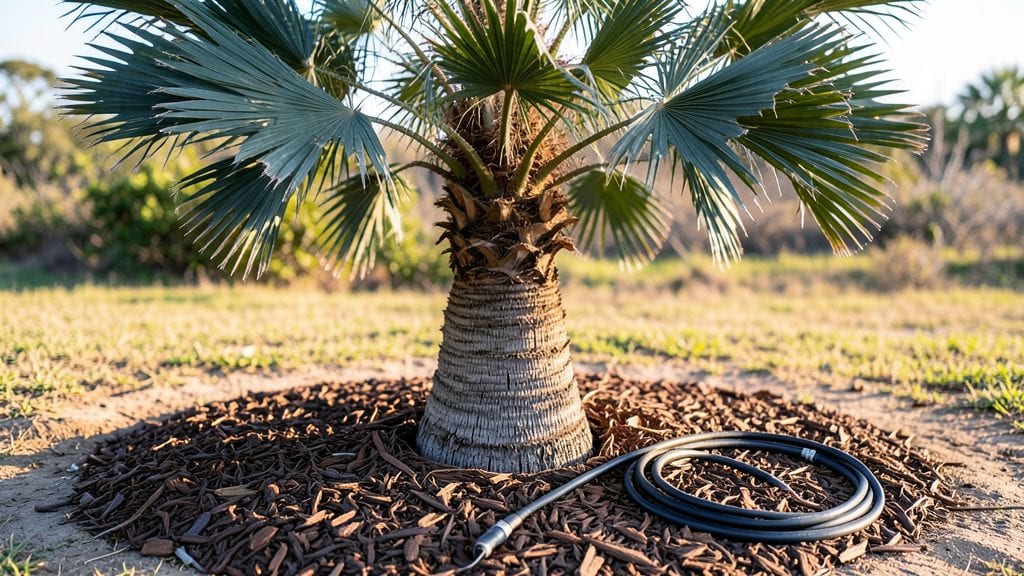
The solution? Adjust care: mulching (3-4 inches of wood chips) insulates roots, while drip irrigation maintains soil moisture during heatwaves. Even within zones, elevation matters—a hilltop garden in zone 9a may experience 5°F colder nights than a valley garden due to radiative cooling. 🌿
What most gardeners overlook is how humidity and salt spray further complicate zone compatibility. Coastal zones (e.g., 10a in Jacksonville) endure salt-laden winds that damage foliage, while inland zones face drought stress from lower humidity.
A hibiscus plant (zone 4-11) might survive in both but requires regular pruning in coastal areas to prevent salt burn. The takeaway? Florida’s zones aren’t just about cold tolerance—they’re a puzzle of heat, humidity, and location-specific stresses.
Matching plants to these factors is what separates a thriving garden from a struggling one.
Here’s a real-world example: Palmetto palms (zone 8-11) dominate Florida landscapes, but their cold tolerance varies by species. Sabal palmetto (zone 8) handles 15°F freezes, while Cocos nucifera (tropical zone 11) dies above 32°F.
Planting the wrong palm in zone 9a means leaf scorch in winter or heat stress in summer. The fix? Choose native hybrids like Sabal minor, which bridges zones 8-10 with intermediate hardiness.
This adaptability is why Florida’s native plants often outperform non-natives—they’ve evolved to handle the state’s temperature extremes and humidity fluctuations. 🌊
For shrubs specifically, zone mismatches show up in flowering patterns. A gardenia (zone 9-11) may bloom sporadically in zone 8a due to shorter growing seasons**, while a jasmine bush (zone 7-11) thrives in both but requires winter protection in zone 8a. The lesson?
Always check both the USDA zone AND the plant’s native climate preferences. Florida’s zones are a starting point—local conditions are the final judge of success. 🌸