
Vegetables
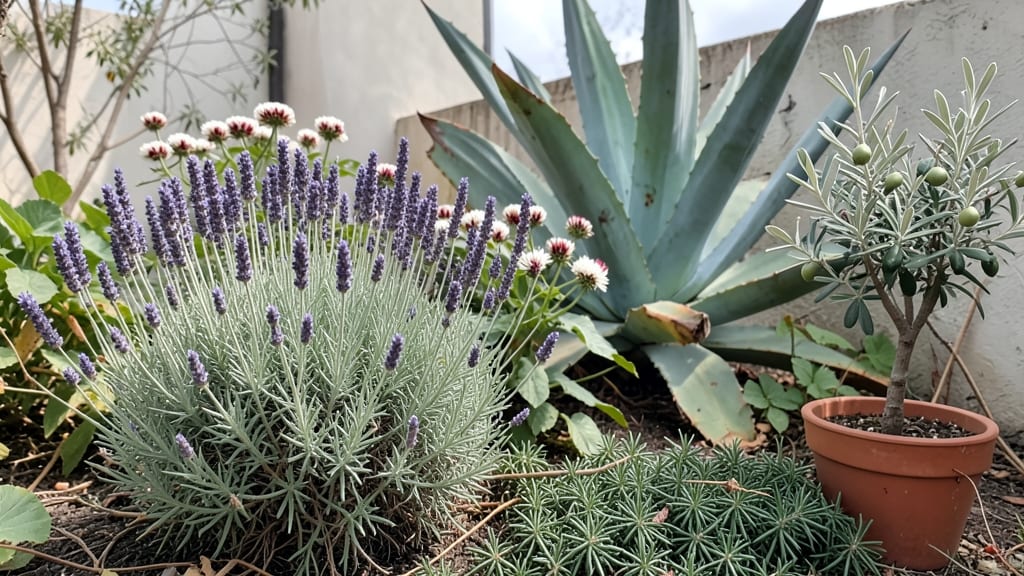
Barcelona’s gardens showcase Mediterranean beauty through carefully curated plant collections and historic landscapes, featuring iconic spots like Jardins de Joan Brossa and Parc de la Ciutadella, where drought-tolerant species like olive trees, bougainvillea, and succulents flourish in the city’s unique microclimates. These green spaces offer free access, seasonal blooms, and serene escapes for nature lovers.
Barcelona’s gardens aren’t just pretty—they’re living museums of Mediterranean horticulture, where every plant tells a story. 🌿 The city’s microclimates allow species like rosemary and carob trees to thrive alongside exotic blooms, while historic designs (think Gaudí’s organic curves) blend seamlessly with modern urban life.
What’s fascinating is how these spaces adapt—water features like fountains cool the air, and drought-resistant plants require minimal care, making them sustainable havens in a bustling metropolis.
Beyond their beauty, these gardens offer practical insights for plant lovers. Many host free workshops on native species, and nearby nurseries (like Viveros Montserrat) sell seeds perfect for replicating Barcelona’s lush look at home.
Pro tip: Visit in spring for wildflower displays or autumn for vibrant foliage—just bring water and a notebook to sketch the architectural details that make each garden unique.
💡 In This Article
- Barcelona’s Unique Garden Designs and Native Plants
- How to Visit Barcelona’s Best Gardens Like a Local
Barcelona’s unique garden designs and native plants
Barcelona’s gardens are masterpieces of climate-adaptive design, where Modernisme architecture meets Mediterranean horticulture. The city’s most iconic gardens, like Parc de la Ciutadella, showcase Gaudí-inspired organic curves—think winding pathways and cascading water features—that mimic natural landscapes.
These designs aren’t just aesthetic; they’re functional, using water channels to regulate temperature and humidity, creating microclimates where plants thrive despite the city’s dry summers. 🌊 The result? A harmonious blend of art and ecology that feels like stepping into a living painting.
The plant selection is equally strategic. Barcelona’s gardens prioritize drought-resistant species like rosemary, lavender, and carob trees, which require minimal watering (as little as 1-2 inches per week in summer). These plants also emit aromatic compounds that deter pests naturally, reducing the need for chemicals.
For example, bougainvillea—a staple in many gardens—flourishes in full sun and poor soil, its vibrant blooms adding color without demanding resources. Meanwhile, olive trees, some over 200 years old, stand as silent witnesses to Barcelona’s history while providing shade and oxygen.
Water plays a crucial role in these designs. Fountains and ponds aren’t just decorative; they cool the surrounding air by up to 5°F through evaporation, making the gardens more comfortable during Barcelona’s scorching summers (often exceeding 90°F).
The Parc de la Ciutadella’s lake, for instance, was originally designed in the 18th century to mimic a natural wetland, complete with ducks and fish that contribute to the ecosystem’s balance.
This approach mirrors traditional Mediterranean water management, where every drop is used efficiently—whether for irrigation or aesthetic appeal.
What makes these gardens truly special is their adaptability. The city’s urban heat island effect (where temperatures can be 5-10°F hotter than rural areas) is mitigated by strategic planting: tall trees like pines and palms provide shade, while ground covers like sedum retain moisture in the soil.
Even the paving materials—often permeable stone—allow rainwater to seep through, replenishing underground aquifers. This sustainable design ensures the gardens remain vibrant year-round, even during droughts. 💧
For plant enthusiasts, Barcelona’s gardens offer hands-on learning. Many, like Jardins de Joan Brossa, host free workshops on pruning, composting, and native plant propagation. You’ll often find rosemary bushes shaped into topiary animals or lavender hedges trained along walls—a testament to the city’s urban farming traditions.
The nurseries nearby, such as Viveros Montserrat, sell locally sourced seeds and saplings, making it easy to recreate Barcelona’s lush look at home. Just remember: these plants are hardy but not high-maintenance—water deeply but infrequently, and they’ll reward you with fragrant blooms and year-round greenery.
One often-overlooked detail is how these gardens preserve biodiversity. By focusing on native species, they support local pollinators like bees and butterflies, which are critical for the city’s food supply.
For instance, carob trees (a staple in Catalan cuisine) provide shelter for birds while their pods feed livestock. This ecological balance is a core principle of Barcelona’s green spaces—proof that beauty and function can go hand in hand.
Whether you’re admiring a Gaudí-inspired fountain or smelling the citrus-scented air from lemon trees, every element has a purpose. 🌿