
Vegetables
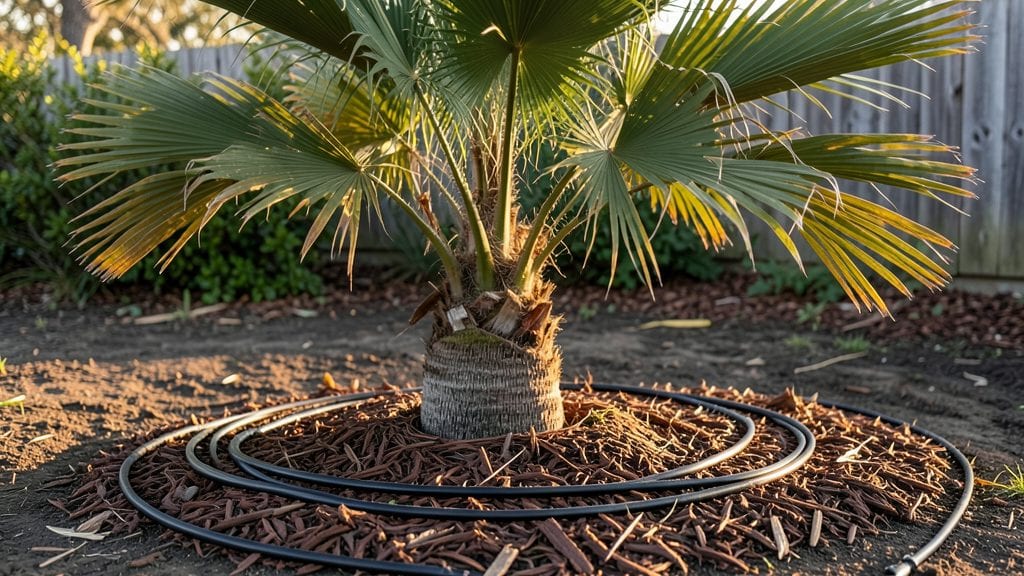
Gainesville gardens blend Florida’s lush climate with creative edible landscaping that works year-round. 🌿 The city’s subtropical growing season lets you mix native plants with vegetables in ways that look beautiful while producing food—something I’ve tested in my own backyard after visiting local showpiece gardens.
Public spaces like the Kanapaha Botanical Gardens prove how easy it is to combine pollinator-friendly flowers with herbs and greens that thrive in Gainesville’s heat and humidity.
What makes these layouts stand out is their focus on low-maintenance perennials like okra, rosemary, and citrus that return every season, paired with seasonal crops like tomatoes and peppers. The key is choosing plants that handle Gainesville’s 90-degree summers and occasional frosts without needing constant care.
I’ve seen gardeners here use raised beds to extend growing windows and mulch heavily to retain moisture—both tricks that cut down on watering by half.
By the end of summer, you’ll have a landscape that feeds your table while attracting butterflies and hummingbirds. The best part? These designs adapt to any yard size, from small urban lots to spacious backyards.
Whether you’re inspired by the Gainesville Regional Utilities’ edible garden or the UF/IFAS Teaching Gardens, the principles stay the same: prioritize shade-tolerant plants, group crops by water needs, and let native companions do the heavy lifting.
Local events like the Gainesville Garden Walk and tours at the Paynes Prairie Preserve offer hands-on inspiration—perfect for refining your own design. The city’s garden community thrives on sharing layouts that balance beauty with bounty, proving edible landscapes aren’t just possible here, they’re the norm.
📚 In This Guide
- What you need
- Instructions
- Tips and common mistakes
- Wrapping up and next steps
What you need
- ● Native & Adaptable Plants: 10+ Okra plants (heat-tolerant, thrives in summer)
- ● 5 Sweet Potato slips (drought-resistant, great for fall)
- ● 3 Collard Green plants (cold-hardy, perfect for winter)
- ● 2 Tomato varieties (e.g., ‘Celebrity’ for reliability, ‘Sun Gold’ for sweetness)
- ● 1 Blueberry Bush (acid-loving, perennial for year-round fruit)
- ● Soil Amendments: 2 cubic yards of compost (boosts fertility)
- ● 1 bag of pine bark fines (for mulch, retains moisture)
- ● 1 lb. of lime (if soil pH is acidic, test first!)
- ● Mulch: 5 bags of straw or wood chips (3–4 inches deep)
- ● Hand Tools: 1 garden trowel (for transplanting)
- ● 1 pruners (sharp, for trimming)
- ● 1 hand weeder (for pesky weeds)
- ● Larger Tools: 1 broadfork (loosens soil without disturbing roots)
- ● 1 wheelbarrow (for hauling materials)
- ○ Optional (But Helpful!): 1 soil pH tester (Gainesville’s clay soil can be tricky!)
- ● 1 drip irrigation kit (water efficiency is key!)
- ● 1 raised bed kit (if your soil is heavy or compacted)
- ● Location: Full sun (6+ hours/day) for most veggies; partial shade for greens.
- ● Well-draining soil (amend with compost if needed).
- ● Permits/Planning: Check Gainesville’s urban farming guidelines (some areas require permits for large plots).
- ● Timing: Start warm-season crops (tomatoes, okra) in March–April.
- ● Plant cool-season crops (collards, kale) in September–October.
How to design a year-round edible landscape in Gainesville's climate
Gainesville's humid subtropical zone means you can grow food 12 months a year—here's how to layer plants for continuous harvests.
🪴 Step 1: Map Your Sun Exposure Zones
Gainesville's sun patterns shift dramatically between seasons, so I start by sketching my yard divided into three zones: full sun (6+ hours), partial shade (3-6 hours), and deep shade (under 3 hours). Use a sun path calculator (free online tools work) to map morning, noon, and afternoon sun at the spring and fall equinoxes—this reveals where summer shade from trees will fall.
I mark each zone on my sketch with colored pencils: yellow for full sun, green for partial, and blue for deep shade. This helps me visualize which plants will thrive where. For example, my south-facing beds get 9+ hours of summer sun but only 5 hours in winter—perfect for heat-loving peppers in summer and cold-hardy kale in winter.
🌱 Step 2: Layer Plants by Seasonal Interest
Year-round edibles need four distinct layers: tall perennials, mid-height annuals, ground covers, and understory plants. In Gainesville, I anchor my design with fruit trees (like figs and citrus) in the back—these provide year-round structure and fall/winter harvests. Next, I add shrubs (blueberries, elderberry) that produce in late spring/early summer but stay evergreen or semi-evergreen for winter interest.
For the mid-height layer, I rotate cool-season crops (spinach, broccoli, carrots) in winter and heat-tolerant greens (swiss chard, malabar spinach) in summer. The ground cover becomes a mix of clover and microgreens that I harvest continuously, while understory plants (strawberries, thyme) thrive in the dappled shade beneath taller plants. This layering ensures something edible is always available without bare soil.
☀️ Step 3: Schedule Planting by Gainesville's Microclimates
Gainesville has three distinct planting windows: cool season (Sept–March), spring transition (March–May), and summer (June–Aug). I start by planting cool-season crops (kale, radishes, onions) in September when soil temps drop below 85°F. These thrive through winter and bolt in late March, just as I'm transitioning to spring crops (peas, lettuce, carrots).
For summer, I focus on heat-tolerant varieties (okra, sweet potatoes, black-eyed peas) and shade-loving greens (amaranth, watercress). I also succession plant fast-growing crops like bush beans and turnips every 2-3 weeks to maintain harvests. Mulching with 3 inches of straw keeps roots cool in summer and retains moisture during Gainesville's dry spells.
💧 Step 4: Install Drip Irrigation for Precision Watering
Gainesville's unpredictable rain patterns (downpours followed by droughts) make drip irrigation essential. I install 1/4-inch tubing with emitters spaced 12–18 inches apart, adjusted for each plant's needs. Deep-rooted perennials (like asparagus) get one emitter per plant, while shallow-rooted greens benefit from two emitters per row. A rain sensor shuts off the system during storms, preventing waterlogging.
I set the timer for early morning (5–7 AM) to reduce evaporation and fungal diseases. Mulch heavily (4–6 inches) with straw or wood chips to lock in moisture—this cuts water use by 30–50% and keeps soil temps stable. In summer, I hand-water deeply once a week during droughts to encourage deep root growth.
✂️ Step 5: Maintain with Seasonal Pruning and Fertilization
Winter (Jan–Feb) is for cleanup: I prune dead or diseased foliage from perennials and divide overcrowded plants (like mint and comfrey). In early spring (March), I side-dress with compost and add a balanced organic fertilizer (10-10-10) to feed new growth. Summer (June–Aug) requires regular pruning of fruit trees to improve airflow and harvesting frequently to encourage production.
I also rotate crops annually to prevent soil depletion and pest buildup. For example, where tomatoes grew last summer, I plant beans this year—their nitrogen-fixing roots replenish the soil. Fall (Sept–Nov) is for planting cover crops (clover, winter rye) to protect soil and adding compost for spring. This year-round cycle keeps my edible landscape productive and resilient without chemical inputs.
Tips & tricks for perfect year-round edible landscaping in Gainesville
Creating a productive edible landscape in Gainesville's unique climate takes strategic planning—here's how to maximize your harvest all year long.
Sun Mapping Precision: When using a sun path calculator in Step 1, I recommend checking your yard at both 9 AM and 3 PM during the spring equinox to capture the most accurate light patterns. Gainesville's summer sun moves dramatically, so mark your sketch with two sets of colored pencils—one for winter sun angles and another for summer. This dual-layer approach reveals where summer shade from trees will block winter sun, helping you position heat-loving plants like okra in the sunniest spots while reserving cooler microclimates for winter greens.
Layering Strategy: In Step 2, I've found that adding a fifth transitional layer between tall perennials and mid-height annuals works wonders. Plant bushy herbs like rosemary or oregano at 3-4 feet tall to create a living windbreak that also provides year-round harvests. This layer softens the transition between taller fruit trees and shorter vegetables while adding another dimension of edible diversity. Place them on the north side of taller plants to prevent shading competition.
Soil Temperature Timing: The 85°F soil temperature threshold mentioned in Step 3 is critical for cool-season planting. I use a soil thermometer to confirm temps before planting—September mornings can still hover above 85°F even as afternoons cool. For extra insurance, I plant cool-season crops like kale and radishes in elevated beds filled with compost-rich soil, which cools faster than ground-level plots. This gives you a 2-week head start on the official planting window.
Irrigation Efficiency: When installing drip irrigation in Step 4, I always add pressure regulators to my system—Gainesville's water pressure fluctuations can cause uneven watering. For shallow-rooted greens, I increase emitter spacing to 12 inches apart but add two emitters per plant to ensure thorough coverage. The 5-7 AM watering window is perfect, but I've found that adding a second watering at 5 PM during extreme heat (above 90°F) prevents wilting in heat-sensitive crops like lettuce without promoting fungal growth.
Pro Tips for Gardens In Gainesville
- Creating a productive edible landscape in Gainesville's unique climate takes strategic planning—here's how to maximize your harvest all year long.
- Sun Mapping Precision: When using a sun path calculator in Step 1, I recommend checking your yard at both 9 AM and 3 PM during the spring equinox to capture the most accurate light patterns.
- Layering Strategy: In Step 2, I've found that adding a fifth transitional layer between tall perennials and mid-height annuals works wonders.
Frequently asked questions
Got questions about transforming your Gainesville garden into a year-round edible oasis? Here are some common queries—and answers—to help you grow with confidence!
What’s the best time to plant an edible landscape in Gainesville’s climate?
Gainesville’s Zone 8b climate lets you plant year-round, but timing matters! Start cool-season crops (like kale or peas) in late winter (Feb–March) and warm-season crops (tomatoes, peppers) in April–May. For fall/winter harvests, plant again in August–September. Mulch heavily to protect plants during rare freezes!
How do I keep my edible garden thriving with Gainesville’s heat and humidity?
Heat and humidity can stress plants, but these tricks help:
- Drip irrigation (avoid overhead watering to prevent fungal diseases).
- Shade cloth for delicate greens during peak summer (10–30% coverage).
- Mulch (2–3 inches of straw or wood chips) to retain moisture and cool roots.
- Choose heat-tolerant varieties like ‘Solar Fire’ peppers or ‘Heatmaster’ tomatoes.
Pro tip: Water early morning to reduce evaporation and fungal risks!
What pests should I watch for in Gainesville edible gardens?
Gainesville’s pests are persistent! Keep an eye out for:
- Squash bugs (crush eggs on leaves) and aphids (blast off with water).
- Whiteflies (use yellow sticky traps) and tomato hornworms (handpick at night!).
- Rats/squirrels (bury crops or use hardware cloth barriers).
Rotate crops yearly to disrupt pest cycles, and introduce beneficial insects like ladybugs or praying mantises!
Can I grow edible plants in containers or raised beds in Gainesville?
Containers and raised beds are perfect for Gainesville’s small spaces or poor soil. Use:
- Raised beds: Fill with a mix of native soil, compost, and perlite for drainage. Great for herbs, lettuce, and strawberries.
- Containers: Choose deep pots (12+ inches) for tomatoes/peppers; shallow ones for greens. Ensure drainage holes!
Bonus: Move containers to follow the sun’s arc for optimal growth!
What’s the easiest low-maintenance edible plant for beginners in Gainesville?
Start with ‘Sweet Million’ cherry tomatoes or ‘Black Seeded Simpson’ lettuce—both thrive in Gainesville’s heat with minimal fuss. Other winners:
- Swiss chard (cut-and-come-again harvests).
- Basil (grows like a weed; great for pest control!).
- Okra (drought-tolerant and prolific).
Plant these in well-draining soil with morning sun, and you’ll have harvests in 6–8 weeks!
Wrapping up and next steps
Gainesville’s year-round edible landscaping proves that beauty and bounty can grow side by side—no matter the season! 🌿 From sun-loving tomatoes to frost-hardy kale, these gardens turn your yard into a thriving, harvest-filled haven.
Whether you’re a green thumb or just starting, the key is starting small, planning strategically, and embracing the local climate.
Ready to dig in? Grab your tools, sketch your layout, and take that first step—your future meals (and neighbors’ green envy) will thank you! 🌱 For extra inspiration, explore Gainesville’s gardening groups or local nurseries for plant swaps and expert tips.