
Tools
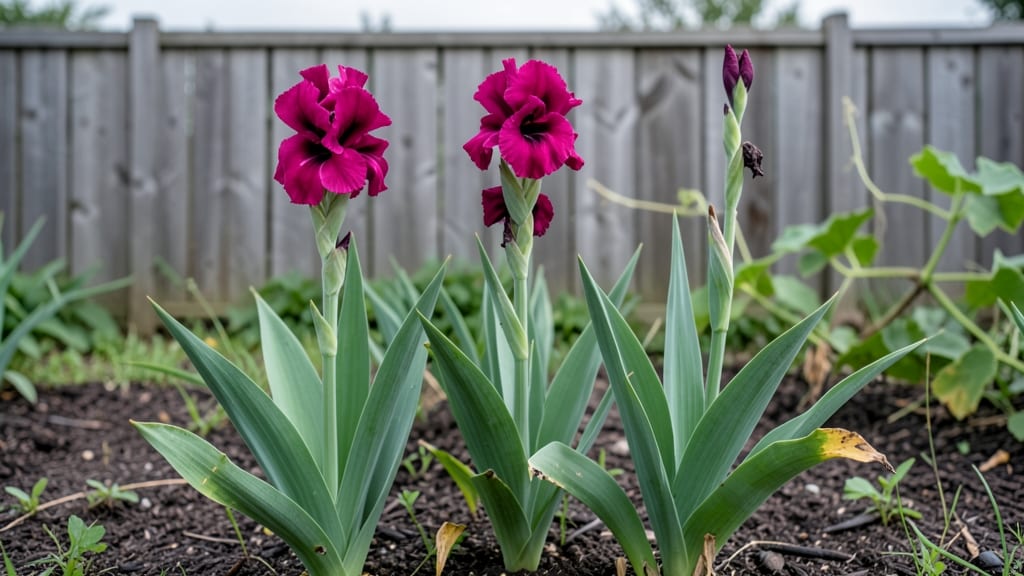
Gladioli in garden are the dramatic stars of late summer, shooting up like living exclamation points with their bold, spiky blooms. 🌻 I’ve grown them for years, and they still surprise me—how they go from a dormant corm in spring to a towering, fragrant display by August.
The secret isn’t complicated, but it’s not what most gardeners assume either.
You’ll need full sun, well-draining soil, and patience—gladioli reward consistency over fuss. Most beginners overwater or crowd the corms, but with the right spacing (6 inches apart) and moderate moisture, these plants thrive.
The payoff? Stems tall enough to tuck behind shrubs or float in vases, with blooms that last for weeks when cut fresh.
Here’s where it gets interesting—they’re not just pretty. Gladioli’s deep roots break up heavy soil, and their corms multiply over time, giving you free plants for years. Plus, they’re disease-resistant compared to other summer perennials, so they handle humidity better than you’d expect.
Whether you’re planting them as a bold border, cutting garden, or just want a low-maintenance way to fill vertical space, they deliver. Let’s get those corms in the ground—and watch your landscape transform by midsummer.
📚 In This Guide
- What you need
- Instructions
- Tips and common mistakes
- Wrapping up and next steps
What you need
- ● Gladioli bulbs (corms): Choose healthy, firm corms (2–3 inches in diameter) from a reputable nursery. Quantity: 10–20 per 10 sq. ft. for a full look.
- ● Well-draining soil: Gladioli thrive in loamy, fertile soil with a pH of 6.0–7.0. Amend clay or sandy soil with compost or peat moss (1–2 inches mixed into the top 12 inches of soil).
- ● Organic fertilizer: A balanced 10-10-10 or 5-10-10 NPK fertilizer (2–3 tbsp per plant) or composted manure (e.g., cow or chicken manure, aged).
- ● Mulch: Straw or wood chips (2–3 inches) to retain moisture and suppress weeds.
- ● Garden trowel or hand fork: For planting corms (6–12 inches deep).
- ● Garden gloves: To protect hands from thorns (some varieties have them!).
- ● Watering can or hose with a gentle nozzle: Gladioli need 1–2 inches of water per week.
- ○ Stakes or supports (optional): Tall varieties (4–5 ft) may need bamboo stakes or garden twine for stability.
- ● Pruners or shears: For deadheading spent blooms and cutting flowers.
- ● Sunlight: Full sun (6–8 hours daily)—gladioli love basking!
- ● Spacing: Plant corms 6–8 inches apart in rows 12–18 inches apart.
- ● Patience: Corms take 80–120 days to bloom from planting.
- ● Pest awareness: Watch for thrips, slugs, or aphids—neem oil or insecticidal soap can help.
Step-by-step instructions for planting gladioli in your garden
Here's how to grow these striking blooms with minimal fuss—just follow these simple steps.
🌱 Step 1: Choose the Right Location and Prepare the Soil
Gladioli thrive in full sun, so pick a spot that gets at least 6-8 hours of direct sunlight daily. Avoid low-lying areas where cold air settles, as these plants are sensitive to frost. The soil should drain well—gladioli roots rot quickly in soggy conditions.
Loosen the soil to a depth of 12 inches with a garden fork or tiller. Work in a 2-3 inch layer of compost to enrich the soil without making it too heavy. Gladioli prefer slightly alkaline soil, so if yours is acidic, add a sprinkle of lime before planting. You'll know the soil is ready when it crumbles easily between your fingers.
🌱 Step 2: Plant Corms at the Correct Depth and Spacing
Gladioli grow from corms, which look like small bulbs. Plant them 4-6 weeks before your last frost date—they need time to establish roots before summer heat arrives. Dig holes 4-6 inches deep (twice the height of the corm) and space them 6 inches apart in rows, with rows 12-18 inches apart.
Place one corm per hole with the pointed end facing up. Cover with soil and water gently to settle it around the corm. If you're planting in a windy area, consider staking each corm with a small wooden stake now—gladioli stems are tall and can topple without support. Water again after planting to encourage root growth.
☀️ Step 3: Provide Consistent Water and Fertilizer
Water gladioli once a week during the first few weeks after planting, then increase to 2-3 times per week once shoots emerge. Keep the soil moist but not waterlogged—you'll see new leaves appear within 2-3 weeks, signaling healthy growth. Mulch around the base with 2-3 inches of organic mulch to retain moisture and suppress weeds.
Feed the plants with a balanced, water-soluble fertilizer every 2-3 weeks starting when shoots reach 6 inches tall. Gladioli are heavy feeders, so don’t skip this step—they’ll reward you with taller, more vibrant blooms. Stop fertilizing 6-8 weeks before your first frost to encourage corm development for next year.
✂️ Step 4: Support Stems and Deadhead Regularly
As stems grow toward 3-5 feet tall, they’ll need support. Install 6-foot stakes or a trellis system near each row and gently tie the stems to them as they grow. This prevents flopping and keeps blooms upright for easier viewing. You’ll notice the first flower buds form about 10-12 weeks after planting—this is your cue to start deadheading.
Remove spent blooms by cutting the stem just above the next set of buds. This redirects the plant’s energy into producing more flowers instead of seed heads. Keep an eye out for aphids or thrips, which love gladioli. If you spot them, spray the plants with soapy water or neem oil to keep pests at bay.
⏰ Step 5: Prepare for Winter and Store Corms
After the first frost blackens the foliage, cut the stems back to 2 inches above the ground. Dig up the corms carefully with a fork, being sure to get the entire corm and any attached "babies" (smaller corms that form around the parent). Let them dry in a shady, well-ventilated area for 1-2 weeks.
Store the corms in a cool, dry place at 40-50°F until spring. Use a mesh bag or cardboard box to keep them from touching. Label each bag with the variety—gladioli come in so many colors, you’ll want to remember which is which for next year’s planting. With proper storage, your corms will last for years and multiply, giving you even more dramatic blooms each season.
Tips & tricks for perfect gladioli planting
These insider tricks will help you grow show-stopping gladioli that outshine your neighbors' gardens.
Sunlight Secret: While 6-8 hours of sunlight is the minimum, gladioli actually thrive with 8+ hours for maximum bloom production. I've noticed the tallest stems and most vibrant flowers come from spots that get full sun all day. If your garden has partial shade, choose the sunniest location possible—these plants won't tolerate less than 6 hours.
Soil Test Tip: Before planting, do a simple pH test of your soil. Gladioli prefer slightly alkaline soil (pH 6.5-7.5). If your soil tests acidic, add a sprinkle of lime as mentioned, but spread it evenly across the planting area 2-3 weeks before planting to give it time to work. I learned this the hard way—planting in acidic soil without amendment led to stunted growth and pale blooms.
Planting Timing Strategy: The 4-6 week window before last frost is ideal, but I've found planting 5-6 weeks out gives roots extra time to establish before summer heat arrives. This is especially helpful in hot climates where summer can be intense. Just avoid planting too early—corms need consistent soil temperatures above 50°F to sprout properly.
Watering Wisdom: When increasing to 2-3 times weekly after shoots emerge, water deeply each time rather than light sprinkles. Aim for about 1 inch of water per week. I use a rain gauge to track this—gladioli roots go surprisingly deep, and shallow watering encourages weak stems. Water at the base rather than overhead to prevent disease.
Pro Tips for Gladioli In Garden
- These insider tricks will help you grow show-stopping gladioli that outshine your neighbors' gardens.
- Sunlight Secret: While 6-8 hours of sunlight is the minimum, gladioli actually thrive with 8+ hours for maximum bloom production.
- Soil Test Tip: Before planting, do a simple pH test of your soil.
Frequently asked questions
Got questions about adding gladioli to your garden? You’re not alone! Here are some of the most common queries—and their straightforward answers—to help you grow these striking blooms with confidence.
When is the best time to plant gladioli?
Plant gladioli after the last frost in spring, once soil temperatures reach at least 60°F (15°C). For cooler climates, aim for late April to early June. In warmer zones, fall planting (September–October) can also work—just ensure they get winter protection. Pro tip: Avoid soggy soil, as it can rot bulbs!
How long do gladioli take to bloom?
Gladioli typically bloom 8–12 weeks after planting, depending on the variety and growing conditions. Early-season types may flower in as little as 60 days, while late varieties can take closer to 100 days. Patience pays off—their dramatic spikes are worth the wait!
What pests or diseases should I watch for with gladioli?
Gladioli are tough but can fall prey to thrips, aphids, or gladiolus rust. Prevent issues by:
- Removing spent blooms to reduce fungal spores.
- Inspecting leaves for holes or discoloration (thrips love them!).
- Using neem oil or insecticidal soap for early pest control.
Can I grow gladioli in containers or small gardens?
Gladioli thrive in containers 12+ inches deep with well-draining soil. Choose compact varieties like ‘Picasso’ or ‘Attila’ for smaller spaces. Just ensure pots get full sun (6+ hours/day) and stake tall stems to prevent tipping. Bonus: Container-growing makes them portable if frost threatens!
How do I store gladioli bulbs for next year?
After foliage yellows, dig up bulbs and let them dry in a shady, well-ventilated spot for 2 weeks. Then, store them in:
- A cool (50–60°F/10–15°C), dry place.
- Paper bags or mesh sacks (not plastic—it traps moisture!).
What colors or varieties should I pick for my garden?
Gladioli come in every hue—from fiery reds (‘Fireworks’) to deep purples (‘Black Star’) and soft whites (‘Green Star’). Mix heights for drama: ‘Green Star’ (36”) pairs well with shorter ‘Champagne’ (24”). Fun fact: Some varieties even have fragrant blooms!
Wrapping up and next steps
Gladioli bring dramatic flair and effortless beauty to any garden, whether you’re a seasoned gardener or just starting out. 🌸 With the right soil, sunlight, and care, these bold blooms can transform even the simplest landscape into a stunning showstopper.
Now that you’re armed with tips on planting, maintenance, and troubleshooting, it’s time to roll up your sleeves and get growing!
Your next step? Pick a spot, grab your tools, and plant those gladioli bulbs! Watch as your garden bursts into color—you’ve got this! 🌱✨