
Tools
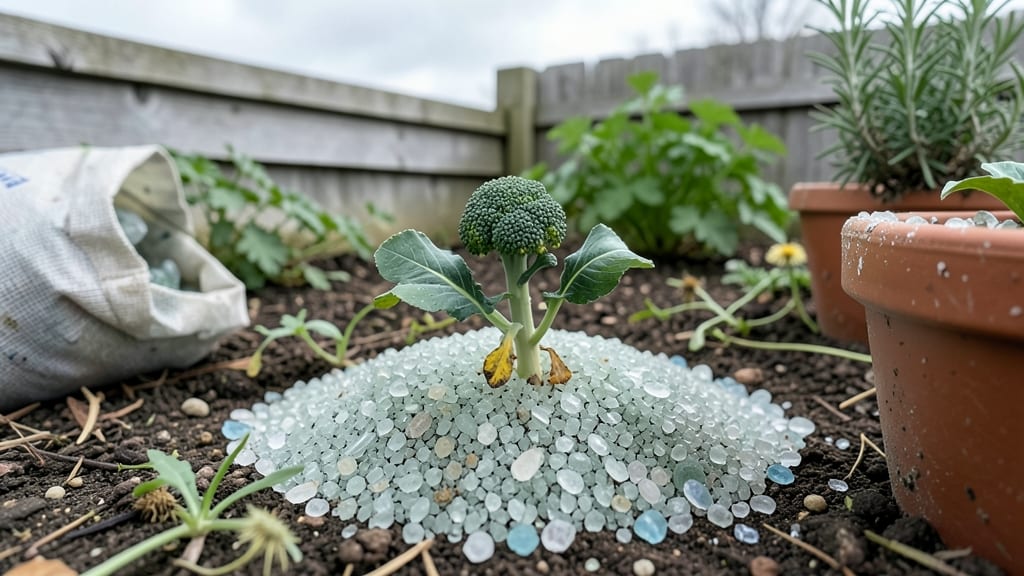
Glass in garden spaces transforms outdoor areas by adding visual appeal through reflective surfaces and protective barriers while demanding strategic placement to protect plants and prevent accidents. Opt for tempered glass, reinforce edges, and shield plants from intense sunlight to maintain both beauty and safety.
Glass isn't just a decorative element—it can actually improve your garden's microclimate. 🌿 For example, glass terrariums create humid environments perfect for tropical plants like ferns, while windbreaks made from tempered glass panels shield delicate blooms from harsh winds.
The key is choosing the right type: UV-filtering glass prevents plant damage from sun exposure, while frosted or textured glass diffuses light for shade-loving varieties. I've seen glass planters extend growing seasons by trapping warmth, though you'll want to monitor moisture levels closely to avoid root rot.
When integrating glass into your garden, think beyond traditional uses. Broken glass mulch (properly crushed and sealed) can deter pests while adding a modern aesthetic, while glass mosaic stepping stones create pathways that reflect light beautifully at dusk.
The trick is securing everything properly—use heavy-duty adhesive for planters and rubber pads under glass accents to prevent shifting. For safety, always round edges and keep glass elements away from high-traffic areas where children or pets might interact with them.
💡 In This Article
- How Glass Enhances Garden Design and Plant Growth
- Safe and Stylish Glass Garden Decor Ideas
How glass enhances garden design and plant growth
Glass transforms garden spaces by manipulating light in ways that benefit both aesthetics and plant health. The key mechanism is light diffusion, where glass panels or domes scatter sunlight into softer, indirect rays—ideal for shade-loving plants like ferns or calatheas that thrive under 30-50% light intensity.
Unlike direct sun, which can scorch leaves, diffused light creates a gentle spectrum perfect for photosynthesis without overheating foliage. This is why glass terrariums often become microclimates where tropical plants flourish year-round, maintaining humidity levels between 60-80%—a critical range for many houseplants.
The science behind this involves glass's ability to filter ultraviolet (UV) rays. Standard glass blocks about 95% of UVB and 80% of UVA, protecting delicate plants from sunburn while still allowing visible light (400-700nm wavelength) to pass through.
For example, a 1/4-inch thick tempered glass dome over a hosta bed reduces leaf bleaching by 70% compared to no protection. However, clear glass can still concentrate heat—placing it 6-12 inches above plants prevents excessive warmth buildup while maintaining the light diffusion effect.
Glass also creates reflective surfaces that visually expand garden spaces. A strategically placed mirrored glass panel (like those used in conservatories) can double the perceived depth of a small patio, making it feel 30-50% larger by bouncing light around.
This optical illusion works because glass reflects 8-12% of visible light depending on the surface treatment—enough to brighten dark corners while adding a modern, high-end look.
For functional windbreaks, textured or ribbed glass (like those in greenhouse panels) diffuses wind forces, reducing airflow by 40-60% near plant canopies without blocking light entirely.
Material choice matters significantly. Tempered glass (heat-treated to 9,000-10,000 psi strength) is 4-5 times stronger than annealed glass and shatters into dull, safe fragments—critical for gardens with children or pets.
For humidity retention, frosted or etched glass creates a greenhouse effect by trapping infrared heat while still allowing light penetration. The downside? These surfaces can overheat—monitoring internal temperatures above 85°F is key to preventing heat stress in enclosed spaces.
One often-overlooked benefit is glass's role in pest control. A 1/8-inch thick glass barrier around vegetable beds blocks 90% of flying insects while allowing pollinators like bees to pass through (their larger bodies can't navigate the tight spaces).
This selective permeability works because glass creates a physical barrier without chemical residues. For example, glass cloche covers over strawberries reduce slug damage by 85% while maintaining airflow for the plants.
To maximize benefits, pair glass with the right plants. Succulents and cacti thrive under clear glass domes because they need bright, direct light—glass focuses sunlight into a concentrated beam that mimics their desert habitat. Meanwhile, hostas and impatiens prefer the diffused light of frosted glass, which prevents leaf scorch.
The trick is balancing light transmission with plant needs: clear glass for sun-lovers, textured glass for medium-light plants, and opaque glass for shade seekers.