Advice
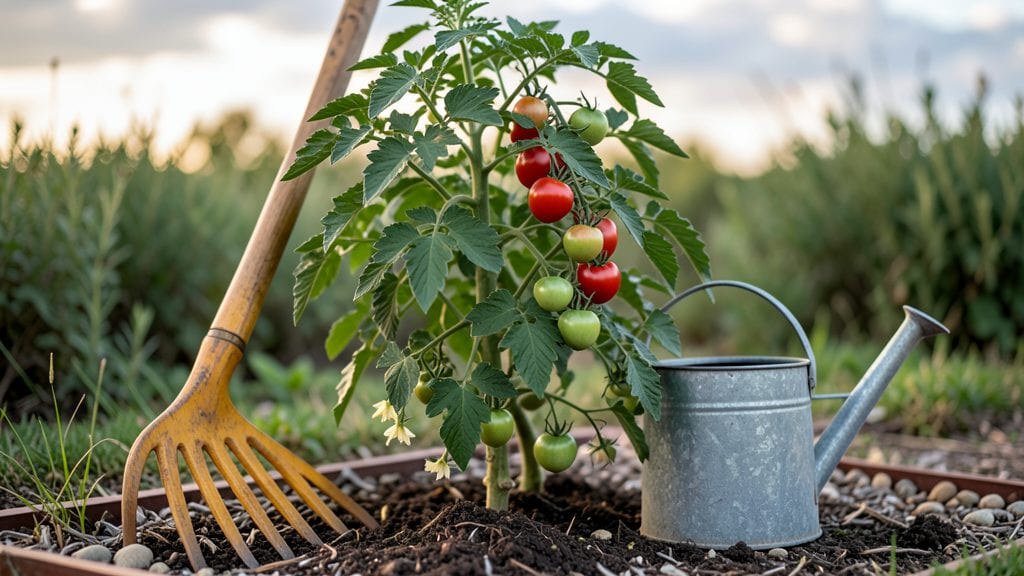
Grandpa’s gardening tips are the kind that turn a patch of dirt into a feast—no fancy tools or degrees required. 🌱 I still remember his calloused hands pressing seeds into damp soil, whispering, "Patience, kid.
The earth does the heavy lifting." His methods weren’t about shortcuts; they were about respecting the land’s rhythm, and that’s what makes them work today.
He’d start every season by testing the soil with a simple jar of water—just shake some dirt with vinegar, and if it fizzes, you know your soil’s too alkaline. No lab needed. For pests?
A sprinkle of crushed eggshells around plants kept critters at bay, while companion planting (marigolds near tomatoes) made his garden nearly self-sufficient. The best part? These tricks cost next to nothing and cut waste to the bone.
📚 In This Guide
- What you need
- Instructions
- Tips and common mistakes
- Wrapping up and next steps
What you need
- ● Gardening gloves – A pair of durable, breathable gloves (e.g., leather or synthetic) to protect your hands from thorns, dirt, and blisters.
- ● Trowel – A sturdy 6-8 inch stainless steel trowel for planting, transplanting, and weeding.
- ● Pruners – Bypass pruners (for clean cuts) or anvil pruners (for thicker stems). Sharpen them regularly!
- ● Hand fork – A 6-10 inch fork for loosening soil and aerating roots without damaging them.
- ● Watering can or hose – A 1-2 gallon watering can with a rose attachment (for gentle watering) or a lightweight hose with adjustable nozzles.
- ● Rake – A small hand rake (8-12 inches) for leveling soil and removing debris.
- ● Garden kneeler or pad – To save your knees! Look for a cushioned pad with handles for easy portability.
- ● Quality soil – Start with a mix of topsoil and compost (or potting soil for containers). A 50/50 blend works well for most plants.
- ● Compost or organic fertilizer – Granular or liquid fertilizer (e.g., 10-10-10 or fish emulsion) to feed your plants. Grandpa’s trick: Use coffee grounds or eggshells for a free, nutrient-rich boost!
- ● Mulch – Shredded bark, straw, or wood chips (2-3 inches thick) to retain moisture and suppress weeds.
- ● Seeds or seedlings – Choose heirloom or organic seeds if you prefer starting from scratch. For faster results, opt for young seedlings from a nursery.
- ○ Containers (optional) – If gardening in pots, use containers with drainage holes (5+ gallons for larger plants like tomatoes).
- ● Pest control – Neem oil, insecticidal soap, or diatomaceous earth (for organic gardens). A spray bottle is handy for DIY mixtures.
- ● Sunlight assessment – Know your garden’s sunlight exposure (full sun = 6+ hours/day, partial shade = 3-6 hours). Most veggies and herbs thrive in full sun!
- ● Water source nearby – Ensure your garden is within easy reach of a water supply to avoid overworking your arms.
- ● Basic knowledge of your climate – Check your USDA Plant Hardiness Zone to pick plants that suit your area.
- ● Patience and observation – Grandpa’s golden rule: "The best gardeners are the ones who watch and learn." Keep a journal to track plant progress!
Grandpa's step-by-step gardening wisdom for a thriving garden
Here's how I've kept my garden flourishing for decades—simple tricks that work every time.
🌱 Step 1: Start with Healthy Soil, Not Just Seeds
Grandpa always said, "The soil is the real boss." Before planting anything, work in 2-3 inches of compost into the top 6 inches of soil. This improves drainage and gives roots room to spread. I like to mix in a handful of aged manure too—it adds nutrients without burning tender roots.
Test your soil's moisture by squeezing a handful. It should hold together but crumble when you poke it. If it sticks like clay, add sand or perlite. If it falls apart like dust, mix in more compost. Healthy soil feels like a damp sponge, not a rock or a swamp.
☀️ Step 2: Plant at the Right Time and in the Right Spot
Never plant too early or too late—watch for foliage to unfurl on nearby trees as your signal. When you see the first leaves on maples or birches, it's time for cool-season crops like lettuce and peas. For warm-season plants like tomatoes, wait until the soil stays 60°F or warmer for a week.
Grandpa marked his planting spots with sticks and twine to avoid crowding. Give vegetables 12-24 inches of space depending on their size—crowded plants fight for sunlight and water. A good rule: "If you can't fit your hand between plants, thin them out."
💧 Step 3: Water Deeply, Not Daily
Most beginners water too often, keeping soil damp but not letting roots grow deep. Instead, water once a week for established plants, giving them 1-2 inches of water each time. You'll know you've done enough when water runs out the bottom of the pot or drains into the soil below.
Water in the morning so plants dry off by evening—this prevents fungal diseases. Mulch with 2-3 inches of straw or grass clippings to keep moisture in and weeds out. I always check moisture by sticking my finger 1 inch into the soil; if it feels dry, it's time to water.
✂️ Step 4: Prune Like a Pro—Cut Back, Don't Hack
Use clean, sharp shears to trim plants at a 45-degree angle, just above a leaf node. This encourages new growth. For tomatoes, pinch off suckers (the little shoots in the joint between stem and branch) to focus energy on fruit production. Grandpa always said, "A little pruning now saves a lot of trouble later."
Deadhead spent flowers on herbs and vegetables to keep them producing. Watch for yellowing leaves—they're your first sign of trouble. If you see them, trim the whole leaf off at the base. Never leave yellow leaves hanging; they drain energy from the plant.
🌿 Step 5: Rotate Crops and Feed Regularly
Every year, move your vegetables to a new spot in the garden. This prevents soil-borne diseases and keeps nutrients balanced. I keep a simple chart: "Tomatoes here last year? Plant beans there this year." It's an old trick, but it works.
Feed your garden with balanced fertilizer every 4-6 weeks during growing season. Look for a 10-10-10 or 5-10-5 blend—it gives plants everything they need without overdoing nitrogen. Stop fertilizing 6 weeks before harvest so flavors stay true.
Tips & tricks for perfect gardening success
These tried-and-true tricks will help you avoid common gardening mistakes and grow like a pro.
Soil Preparation Secret: Before adding compost, break up any compacted soil with a garden fork. This creates air pockets that roots need to breathe. I like to work in a little coarse sand if my soil is particularly dense—it improves drainage without changing texture too much. Think of it like fluffing a pillow before you lay your head down.
Planting Timing Tip: The 60°F soil temperature rule is your best friend for warm-season plants. I test soil temp with a simple thermometer—if it's below 60°F in the morning, wait a few more days. Cold soil shocks tender seedlings. For cool-season crops, I actually plant when soil temps are 50-60°F—they thrive in cooler conditions.
Watering Wisdom: That 1-2 inches of water per week includes rainfall! Keep a simple rain gauge nearby to track natural precipitation. I water deeply in the morning, aiming for the base of plants rather than overhead spraying. This prevents fungal diseases and keeps leaves dry—just like Grandpa always said, "A dry plant is a happy plant."
Pruning Pro Move: When deadheading, don't just snip off the flower—cut back to the first set of healthy leaves below. This encourages bushier growth and more flowers. For tomatoes, I make it a habit to check for suckers every 2 weeks—those little shoots can steal energy from your fruit production if left unchecked.
Pro Tips for Grandpa'S Gardening Tips
- These tried-and-true tricks will help you avoid common gardening mistakes and grow like a pro.
- Soil Preparation Secret: Before adding compost, break up any compacted soil with a garden fork.
- Planting Timing Tip: The 60°F soil temperature rule is your best friend for warm-season plants.
Frequently asked questions
Got questions about Grandpa’s gardening wisdom?
You’re not alone! Here are some of the most common queries—and Grandpa’s no-nonsense answers to help you grow like a pro.
What’s the best time to start a garden?
Grandpa always said, “Start early, but don’t rush it.” For most veggies, plant after the last frost (check your local frost dates!)—usually late spring. Leafy greens like lettuce can handle cooler temps, while tomatoes and peppers love warmth. If you’re in doubt, use biodegradable seed starter pots indoors 6-8 weeks before the last frost to get a head start!
How do I fix soil that’s too rocky or hard?
Grandpa’s trick? “Work with what you’ve got, but don’t fight it.” Loosen the soil with a fork or tiller, then mix in compost or aged manure to break it up naturally. For stubborn clay, add coarse sand or perlite. Over time, worms and roots will do the rest—just be patient! If rocks are a major issue, consider raised beds for easier control.
Why are my plants wilting, even with water?
Wilting can mean overwatering, underwatering, or root stress. Grandpa’s rule: “Stick your finger in the soil—if it’s dry 1 inch down, it’s thirsty.” Check for:
- Yellow leaves = too much water (or poor drainage).
- Crispy edges = too little water.
- Mushy stems = root rot (stop watering and repot if needed).
Are there chemical-free ways to deal with pests?
Grandpa swore by prevention and old-school tricks. Try these:
- Spray: Mix 1 tsp dish soap + 1 quart water to blast soft-bodied bugs (aphids, mites).
- Barriers: Crushed eggshells deter slugs; row covers keep pests out.
- Plants: Marigolds repel nematodes; basil deters flies.
- Night lights: Moths avoid yellow bulbs—hang one near veggies.
Can I grow a garden in containers if I don’t have a yard?
Grandpa grew tomatoes in 5-gallon buckets on his balcony. Use:
- Deep pots (12+ inches) for root veggies like carrots.
- Well-draining soil—mix potting soil with perlite.
- Sunlight: Most veggies need 6+ hours daily; rotate pots weekly.
- Watering: Containers dry out fast—check daily in hot weather.
What’s the quickest way to revive a struggling plant?
Grandpa’s emergency fix: “Give it a drink, a haircut, and some shade.”
- Water deeply at the base (not the leaves) to avoid fungus.
- Prune dead leaves to redirect energy.
- Move to partial shade if it’s wilting from heat stress.
- Fertilize lightly with compost tea or diluted fish emulsion.
Wrapping up and next steps
From Grandpa’s timeless wisdom to modern gardening hacks, these tips prove that patience and care yield the sweetest rewards—literally! 🌱 Whether you’re a beginner or a seasoned green thumb, remember: healthy soil, smart planning, and a little love are all you need to grow a thriving garden.
Ready to roll up your sleeves? Start small—pick one tip, try it this season, and watch your garden (and confidence!) bloom. Happy digging! 🌿