Propagation
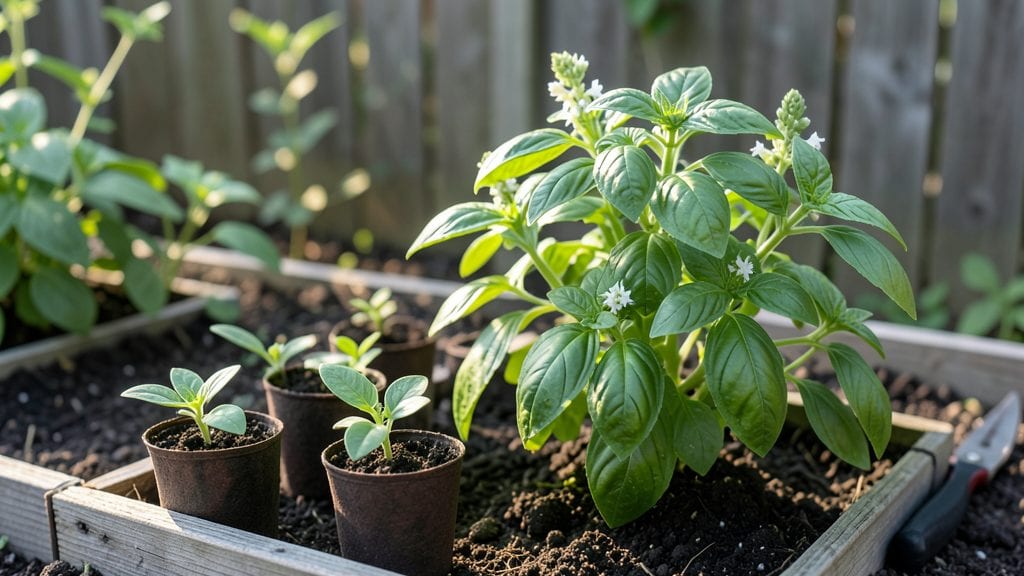
Starting an herb garden from seeds is the fastest way to get fresh flavors on your plate—some varieties sprout in just 3-5 days. I’ve grown everything from basil to parsley this way, and the secret isn’t complicated: it’s picking the right seeds and giving them the perfect start.
The first sniff of fresh basil or the crunch of homegrown parsley makes every early-morning watering worth it.
You’ll need just three things to begin: fast-germinating seeds, a shallow tray with drainage, and a sunny spot. No fancy equipment required—just a little patience and the right soil mix. These herbs thrive in containers, so even a tiny balcony or windowsill works.
By week 3, you’ll be harvesting leaves for cooking, and the savings compared to store-bought herbs add up quickly.
The payoff comes when you pinch those first leaves—nothing beats the taste of homegrown cilantro or the aroma of fresh thyme. You’ll also avoid the disappointment of wilted store-bought herbs, and the process teaches you how plants really grow.
Plus, once you master these fast starters, you can expand to slower herbs like dill or fennel with confidence.
This method works year-round with indoor lights or a sunny windowsill, and the same principles apply whether you’re growing for cooking or just the joy of watching green shoots appear. Let’s get those seeds planted—you’ll be harvesting sooner than you think.
📚 In This Guide
- What you need
- Instructions
- Tips and common mistakes
- Wrapping up and next steps
What you need
- ● Herb seeds: Fast-germinating varieties like basil, cilantro, dill, parsley, and chives (start with 1–2 packets per herb).
- ● Seed-starting trays or pots: 2–4" deep, with drainage holes (biodegradable pots are eco-friendly!).
- ● Seed-starting mix: Lightweight, sterile potting soil (avoid garden soil—it’s too dense!).
- ● Grow lights or sunny windowsill: 6–8 hours of light daily (a simple LED grow light works great!).
- ● Spray bottle: For gentle watering (avoid over-saturating seeds!).
- ● Plastic wrap or humidity dome: Keeps moisture in while seeds sprout.
- ○ Small hand trowel: For transplanting seedlings (optional but helpful!).
- ● Labels & markers: Track seed varieties (try toothpicks + permanent marker!).
- ○ Fertilizer (optional): Balanced liquid fertilizer (5-10-5) for post-sprout growth.
- ○ Heat mat (optional): Speeds germination for slow starters like parsley.
Step-by-step instructions for growing fast-germinating herbs from seed
Here’s how to get your herb garden growing in record time with minimal fuss.
Select and Prepare Your Containers and Soil
Start with small containers—at least 4-6 inches deep—since herbs have shallow roots. I like using biodegradable pots because they eliminate transplant shock later. Fill each with 1 gallon of seed-starting mix per container, making sure it’s light and fluffy. Tap the pot gently to settle the soil without compacting it.
Moisten the mix until it’s damp but not soggy—think of a wrung-out sponge. Avoid garden soil; it’s too dense and may harbor diseases. If you’re using the 1 packet of fast-germinating herb seeds, sprinkle them evenly across the surface. Most seeds need only ¼ inch of soil to cover them lightly.
Create the Ideal Germination Environment
Herbs like cilantro, basil, and dill sprout fastest in warmth and humidity. Place your pots in a 70-75°F spot—like on top of the fridge or near a sunny window. Cover them loosely with plastic wrap or a humidity dome to trap moisture. Check daily for condensation; if it’s heavy, lift the cover for 10 minutes to prevent mold.
Keep the soil consistently moist but never waterlogged. I use a spray bottle to mist lightly—overwatering at this stage drowns seeds before they even sprout. Most fast herbs appear in 5-10 days. Once you see green shoots, remove the cover immediately to prevent damping-off, a fungal disease that kills seedlings overnight.
Provide Bright, Indirect Light for Strong Starts
As soon as sprouts emerge, move them to the brightest spot in your home. A south-facing window works, but if your seedlings stretch toward the light (a sign of legginess), they need more intensity. I place mine under a grow light for 12-14 hours daily, keeping it 4 inches above the plants. Raise it gradually as they grow to avoid scorching.
Watch for deep green leaves and sturdy stems—this means your light is just right. If leaves look pale or stems bend, the light’s too weak. Thin seedlings to 1 per pot if overcrowded, using clean scissors to snip at soil level. This prevents competition and encourages bushier growth.
Harden Off and Transition to Outdoor Conditions
After 2-3 weeks, your herbs are ready for outdoor life. Start by placing them outside in partial shade for 1-2 hours the first day. Gradually increase exposure over 7-10 days, moving them to morning sun before full sun. This toughens them up so they don’t get shocked by wind or temperature swings.
Once hardened off, transplant to their final 6-inch pots (if using the 4-pack of 6-inch containers) with fresh potting mix. Water deeply at the base to encourage root spread. Herbs like basil and dill thrive in full sun, while parsley and chives tolerate partial shade. You’ll know they’re happy when new leaves appear within 1-2 weeks of transplanting.
Maintain Consistent Care for Year-Round Harvests
Water herbs when the top inch of soil feels dry, usually every 2-3 days. I avoid wetting leaves to prevent fungal issues—stick to the base. Feed lightly with balanced fertilizer every 4-6 weeks during growing season. Pinch back leggy stems to encourage bushiness, and harvest leaves regularly to promote growth.
Most fast herbs reseed themselves, so you’ll get bonus plants without extra work. If you’re growing annuals like basil, expect 6-8 weeks of harvests before they bolt. Perennials like thyme and oregano keep producing for years with proper care. The key? Stay consistent, and you’ll enjoy fresh herbs all season long.
Tips & tricks for perfect fast-germinating herb gardens
Fast germination is all about precision—these small details make the difference between impatiently waiting weeks and enjoying fresh herbs in just days.
Container Depth Matters: While 4-6 inches works for most herbs, cilantro and parsley need slightly deeper containers (6 inches) since their roots grow a bit longer. I’ve seen shallow pots stunt growth—especially for cilantro—which can become leggy if roots are crowded. The extra inch gives those shallow-rooted varieties room to establish properly without competition.
Temperature Control is Non-Negotiable: That 70-75°F range isn't just a suggestion—it's the sweet spot where most fast-germinating seeds activate their enzymes properly. If your home runs cooler, place pots on top of the fridge or use a seedling heat mat. I learned this the hard way when my basil seeds took 3 weeks instead of 10 days because my kitchen stayed around 65°F. A simple thermometer near your setup prevents this frustration.
Light Timing Secrets: The 12-14 hours of grow light isn't just about duration—it's about consistency. I set a timer so my lights turn on automatically at 6am and off at 8pm, mimicking natural daylight. This prevents the "leggy" syndrome where seedlings stretch toward light. Keep the light 4 inches above plants and raise it weekly as they grow—this gradual adjustment prevents scorching while maintaining that perfect intensity.
Harden Off Gradually: That 1-2 hour outdoor introduction on day one might seem short, but it's crucial. I've seen herbs go into shock when moved too quickly to full sun. The gradual increase over 7-10 days toughens cell walls and prevents wilting. Think of it like acclimating to a new climate—you wouldn't go from indoors to a beach vacation in one day, and neither should your herbs.
Pro Tips for Herb Garden From Seeds
- Fast germination is all about precision—these small details make the difference between impatiently waiting weeks and enjoying fresh herbs in just days.
- Container Depth Matters: While 4-6 inches works for most herbs, cilantro and parsley need slightly deeper containers (6 inches) since their roots grow a bit longer.
- Temperature Control is Non-Negotiable: That 70-75°F range isn't just a suggestion—it's the sweet spot where most fast-germinating seeds activate their enzymes properly.
Frequently asked questions
Got questions about growing your own herb garden from seeds?
You’re not alone! Here are answers to the most common queries to help you get started confidently.
Which herbs are easiest to grow from seeds?
Start with fast-germinating, beginner-friendly herbs like basil, cilantro, and dill. These sprout within 5–14 days and thrive in containers. For slower growers like rosemary or thyme, consider seedlings or cuttings instead.
How long does it take for herb seeds to germinate?
Germination times vary: basil (5–10 days), parsley (14–21 days), and chives (10–20 days). Keep soil moist (not soggy!) and maintain warmth (70–80°F). A heat mat or sunny windowsill speeds things up.
Can I grow herbs indoors from seed?
Herbs like mint, oregano, and chives flourish indoors with 6+ hours of sunlight (or grow lights). Use well-draining pots, fertilize lightly, and rotate plants weekly for even growth. Just avoid overwatering—herbs hate wet roots!
What should I do if my herb seeds won’t sprout?
Try these fixes: Check moisture (dampen soil, not drown it), test seed viability (soak in water—if they float, they’re likely dead), or replant with fresh seeds. Some herbs (like parsley) need light to germinate—place them just under soil.
Are there fast-growing herbs for cold climates?
Yes! Opt for cold-hardy herbs like parsley, chives, or thyme. Start seeds indoors 4–6 weeks before the last frost, or direct-sow in spring/fall. Use row covers to extend the season and protect tender seedlings.
Wrapping up and next steps
Starting an herb garden from seeds is a rewarding journey that brings fresh flavors and aromas right to your doorstep—literally! With fast-germinating varieties like basil, cilantro, and dill, you’ll enjoy a year-round harvest with minimal effort.
Whether you’re a beginner or a seasoned gardener, every seed planted is a step toward a greener, healthier lifestyle.
Ready to dive in? Pick your favorite herbs, gather your supplies, and start sowing today! Your kitchen—and taste buds—will thank you. 🌱✨