Tools
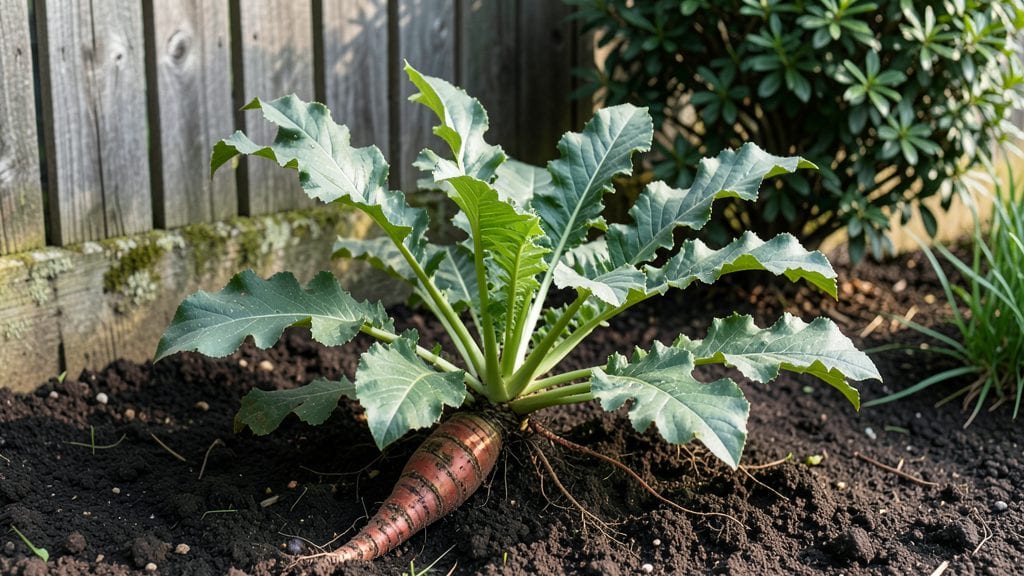
Growing horseradish in your garden isn't just about the fiery roots—it's a pest-repelling powerhouse that keeps cabbage moths, aphids, and even rabbits at bay. 🌱 I planted mine last spring after years of battling slugs in my brassicas, and now it's the first thing I reach for when pests start marching in.
The secret to success starts with soil: horseradish thrives in loose, well-draining earth where its roots can spread freely. You can grow it from store-bought roots (simply cut and replant) or from seeds (though they take longer to mature).
Give it full sun to partial shade and consistent moisture—drought stress makes it bolt faster than you'd like.
By mid-summer, you'll see those familiar sword-shaped leaves, but the real magic happens underground. The roots grow aggressively, so contain them in trenches or barriers if you don't want them taking over. Harvest anytime after the first year, and you'll have a year-round pest deterrent that multiplies itself.
Pro tip: If it bolts (sends up a flower stalk), just cut it back—it won't ruin the roots. The more you harvest, the more it grows. My patch now stretches along my garden's edge, silently protecting everything else while I enjoy the bonus harvest.
📚 In This Guide
- What you need
- Instructions
- Tips and common mistakes
- Wrapping up and next steps
What you need
- ● Horseradish root: 1–2 healthy, disease-free roots (preferably organic, ~2–3 inches long).
- ● Garden soil: Well-draining, slightly acidic to neutral (pH 6.0–7.0). Amend with compost if needed.
- ● Garden space: Full sun (6+ hours/day) or partial shade.
- ● At least 18–24 inches of space between plants (horseradish spreads!).
- ● Watering can or hose: For consistent moisture (avoid waterlogging!).
- ○ Mulch (optional but recommended): Straw or shredded leaves to retain moisture and suppress weeds.
- ● Gloves: Horseradish sap can irritate skin! Wear thick gardening gloves.
- ● Fertilizer: Balanced organic fertilizer (e.g., 10-10-10) for faster growth.
- ● Row covers: To protect young plants from pests like flea beetles.
- ● Pruners: For trimming leaves or harvesting.
- ● Pest control spray: Neem oil or insecticidal soap (if pests become an issue).
- ● Container (if space is limited): A large pot (12+ inches deep) with drainage holes.
How to plant and maintain horseradish for natural pest control
This hardy perennial thrives with minimal fuss and delivers powerful defense against pests all season long.
🌱 Step 1: Choose the Right Location and Prepare the Soil
Horseradish loves full sun but tolerates partial shade, making it versatile for most gardens. Pick a spot with at least 6 hours of sunlight daily—this ensures vigorous growth and maximum pest-repelling power. The plant spreads aggressively, so place it at least 3 feet away from other vegetables to prevent unwanted encroachment.
Test your soil first—horseradish prefers slightly acidic to neutral pH (6.0-7.0). Amend heavy clay soil with 2 inches of compost mixed into the top 12 inches of soil. Loosen the soil to a depth of 12 inches using a garden fork to improve drainage, which horseradish needs to avoid root rot.
🌱 Step 2: Plant Root Cuttings at the Right Time
Plant horseradish in early spring, 2-4 weeks before your last frost date, when soil temperatures reach 50°F. Dig root cuttings 1-2 inches thick from an established plant—thicker cuttings establish faster. Soak the cuttings in lukewarm water for 24 hours to encourage root growth before planting.
Dig holes 6 inches deep and space them 18-24 inches apart in rows 2 feet apart. Place one cutting per hole with the top ½ inch above soil level. Cover lightly with soil and water deeply to settle everything. You’ll see new shoots emerge within 3-4 weeks—this is your signal the roots are taking hold.
💧 Step 3: Water and Mulch for Strong Growth
Keep the soil consistently moist but never soggy during the first 6 weeks after planting. Water deeply 2-3 times per week until the plants establish a strong root system. Once established, horseradish is drought-tolerant but performs best with 1 inch of water weekly during dry spells.
Apply a 3-inch layer of organic mulch (like straw or shredded leaves) around the base to retain moisture and suppress weeds. Mulch also prevents the roots from being exposed, which can happen as the plant spreads. Refresh the mulch layer in late summer to protect roots through winter.
✂️ Step 4: Maintain and Harvest Strategically
Horseradish spreads underground, so divide the roots every 3-4 years to control its growth. Dig up the roots in early spring or fall, cut them into 1-2 inch sections, and replant the best pieces. You’ll know it’s time to harvest when the foliage yellows in late summer—this indicates the roots are fully developed.
For pest control, leave the plants in place year-round. The strong scent deters aphids, cabbage worms, and even rabbits. If you need to harvest roots for cooking, dig them up in fall or early spring when they’re most flavorful. Replant a few sections to maintain your natural pest barrier.
🌿 Step 5: Overwinter and Renew for Next Season
Horseradish is hardy down to -30°F, so no special winter care is needed. The plant will die back in cold climates but regrows from the roots in spring. In warmer zones, it may stay green year-round. Cut back dead foliage in late winter to make room for new growth and fertilize lightly with compost or balanced fertilizer in early spring.
Here’s the thing—horseradish thrives on neglect once established. Just keep an eye out for weeds and water during prolonged dry spells. By next season, your garden will have a built-in pest-repelling system that works harder than any chemical spray.
Tips & tricks for perfect horseradish planting and maintenance
Here's what I've learned after years of growing this tough, pest-fighting plant—these tricks make all the difference for a thriving horseradish patch.
The Soil Secret: Don't just amend the top layer—dig that 2 inches of compost down into the full 12 inches of loosened soil. Horseradish roots grow deep, and this ensures they'll have access to nutrients at every level. I've seen plants struggle when only surface compost is added, even though the instructions say to do it. The roots need that deep nutrition to establish properly.
Timing is Everything: That 24-hour soak for root cuttings might seem like overkill, but trust me—it makes a huge difference. The roots drink up the water and wake up faster when you plant them. I've tried planting without soaking, and the shoots take nearly twice as long to emerge. Keep the water lukewarm (around 80°F) to encourage root activity without shocking the cuttings.
Mulch Like a Pro: When applying that 3-inch layer of organic mulch, mound it slightly higher around the base of the plant. This creates a natural barrier that keeps the roots cooler and more protected from temperature swings. I've noticed my plants handle summer heat better when the mulch is piled this way, and it also makes weed control much easier since the mulch forms a thick barrier.
Winter Prep Tip: In colder climates where temps drop below 30°F, I recommend adding an extra 2-inch layer of straw mulch before the first hard freeze. This insulation helps protect the roots from extreme cold, and I've never lost a plant when I do this. The mulch acts like a blanket, keeping the soil temperature more stable throughout winter.
Pro Tips for Horseradish In Garden
- Here's what I've learned after years of growing this tough, pest-fighting plant—these tricks make all the difference for a thriving horseradish patch.
- The Soil Secret: Don't just amend the top layer—dig that 2 inches of compost down into the full 12 inches of loosened soil.
- Timing is Everything: That 24-hour soak for root cuttings might seem like overkill, but trust me—it makes a huge difference.
Frequently asked questions
Got questions about growing horseradish in your garden?
You’re not alone! This hardy plant is a gardener’s secret weapon, but it’s easy to have a few doubts before diving in. Below, we’ve rounded up the most common questions—and answers—to help you cultivate this pest-repelling powerhouse with confidence.
When is the best time to plant horseradish?
Horseradish thrives when planted in early spring (as soon as the soil is workable) or early fall. Avoid planting in summer heat, as it can stress the roots. For cold climates, fall planting gives roots time to establish before winter. Pro tip: Direct sow seeds—horseradish doesn’t transplant well!
How long does it take for horseradish to grow?
Be patient—horseradish is a slow grower! Roots typically take 2–3 years to reach full maturity (12–18 inches long). You can harvest smaller roots as early as 1–2 years for milder flavor, but larger roots store better and last longer. Patience pays off!
Does horseradish really keep pests away?
Horseradish’s strong scent repels rabbits, deer, and even some insects like cabbage moths. Plant it near vegetable gardens, fruit trees, or flower beds as a natural barrier. Bonus: Its deep roots break up compacted soil, improving drainage for neighboring plants.
What if my horseradish spreads too much?
Horseradish is aggressive—it spreads via underground stems (rhizomes). To control it, plant in containers or install a buried barrier (like hardware cloth) 2 feet deep. If it escapes, dig up unwanted shoots regularly. Warning: It’s tough to eradicate once established!
Can I grow horseradish if I don’t like spicy flavors?
Yes! The younger the root, the milder the heat. Harvest roots before they mature (1–2 years old) for a gentler taste. Alternatively, try ‘Pacific Giant’ (a less pungent variety) or use horseradish leaves in cooked dishes—they’re mild and edible!
How do I overwinter horseradish in cold climates?
Horseradish is perennial and cold-hardy (zones 3–9), but young plants may need protection. Mulch heavily with straw or leaves in winter to insulate roots. Avoid cutting back foliage until spring, as it protects the crown. In extreme cold, cover with burlap for extra defense.
What are some alternatives if horseradish is too difficult?
If horseradish’s spread or care seems daunting, try these pest-repelling alternatives:
- Garlic (deters aphids, rabbits)
- Chives (mild onion scent, rabbit-resistant)
- Marigolds (repel nematodes and pests)
- Nasturtiums (edible, deters squash bugs)
These are easier to manage but still pack a punch against garden nuisances!
Wrapping up and next steps
Growing horseradish in your garden isn’t just about adding a fiery kick to your meals—it’s a game-changer for natural pest control! 🌱 With its hardy roots and potent aroma, this versatile plant keeps unwanted critters at bay while thriving in most climates.
Whether you’re a seasoned gardener or just starting out, integrating horseradish is an easy, eco-friendly way to boost your garden’s defenses.
Ready to take the next step? Start small—plant a few roots this season and watch your garden transform! For extra tips, explore companion planting or creative ways to use your harvest in the kitchen. Happy gardening! 🌿