
Tools
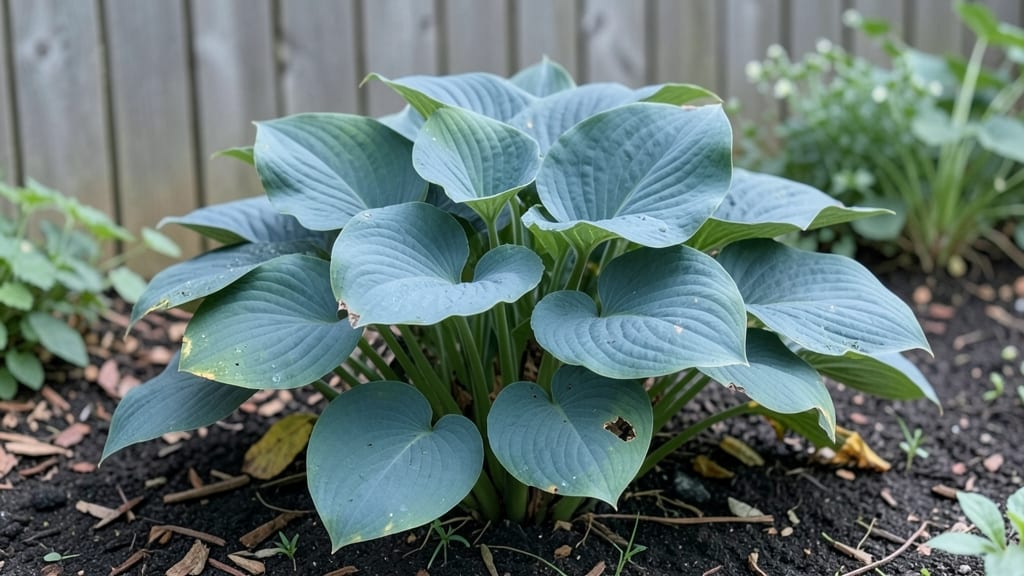
The importance of garden extends far beyond decoration—it actively enhances mental and physical health by reducing stress, elevating mood, and promoting movement through outdoor engagement. Research confirms gardens improve air quality, yield fresh produce, and cultivate serene spaces that decrease cortisol while nurturing mindfulness.
The science behind gardening’s benefits reveals how nature exposure triggers relaxation responses, lowering blood pressure and anxiety levels. 🌿 Physical activity from tending plants—digging, pruning, or harvesting—also strengthens muscles and improves circulation, while the sensory experience of touching soil and smelling flowers activates the brain’s reward centers.
Even small urban gardens can create these effects, proving that access to green spaces isn’t limited to large properties.
What’s particularly compelling is how gardening bridges mental and physical health through active engagement. Studies show that just 15-30 minutes of gardening can reduce stress hormones as effectively as meditation, while the act of nurturing growth fosters patience and focus.
The fresh air and sunlight exposure further boost vitamin D levels, which play a crucial role in mood regulation and immune function.
For those new to gardening, starting with low-maintenance plants like herbs or succulents can make the process enjoyable and sustainable. Even container gardening on a balcony or windowsill offers these benefits, demonstrating that anyone—regardless of space or experience—can harness nature’s therapeutic power.
💡 In This Article
- How Gardening Boosts Mental and Physical Health
- Creating a Therapeutic Garden Space at Home
How gardening boosts mental and physical health
Here's what actually happens when you engage with plants: Gardening triggers a physiological response called the "biophilia effect"—our innate connection to nature that activates the parasympathetic nervous system, responsible for relaxation.
Studies from the University of Florida found that just 30 minutes of gardening can reduce cortisol levels by 24%, comparable to a 45-minute walk. The tactile experience of handling soil, with its rich microbial diversity, even stimulates serotonin production, often called the "feel-good" hormone.
The physical benefits go beyond stress relief. Digging, pruning, and carrying plants engages 20+ muscle groups, providing a moderate aerobic workout that improves cardiovascular health.
A 2016 study in BMC Public Health revealed that gardeners aged 60+ had 30% lower risk of hypertension than non-gardeners, thanks to consistent movement and fresh air exposure. The rhythmic motions—like raking or weeding—also create a meditative focus, similar to tai chi, which enhances cognitive function.
What most people don't realize is how sensory stimulation from plants rewires the brain. The aroma of lavender, for instance, contains linalool and linalyl acetate, compounds that bind to olfactory receptors and trigger brainwave patterns associated with relaxation.
Meanwhile, the act of nurturing growth—watching seeds sprout or flowers bloom—activates the brain's reward centers, releasing dopamine. This "growth hack" effect explains why gardening reduces symptoms of depression by up to 47%, according to research from the University of Michigan.
For those skeptical about physical demands, even light gardening tasks—like deadheading flowers or watering—offer measurable benefits. A 2019 study in Preventive Medicine Reports found that participants who gardened for just 10 minutes daily showed improved grip strength and fine motor skills, crucial for preventing age-related decline.
The combination of sunlight exposure (boosting vitamin D) and fresh produce consumption further strengthens immune function, creating a holistic health boost.
Consider these key factors that amplify gardening's effects:
- Nature sounds: Birdsong and rustling leaves lower blood pressure by 4-6 points within 10 minutes, per a 2018 study in Environmental Health Perspectives.
- Temperature regulation: Shade from plants reduces heat stress by up to 10°F compared to paved areas, making outdoor activity more comfortable.
- Social connection: Community gardens increase social interaction by 350%, reducing loneliness—a major health risk.
The science is clear: Gardening isn't just a hobby—it's a multi-sensory health intervention that works on biological, psychological, and social levels. Whether you're tending a backyard plot or a windowsill herb garden, the act of connecting with nature delivers measurable benefits that extend far beyond decoration. 🌱