Size
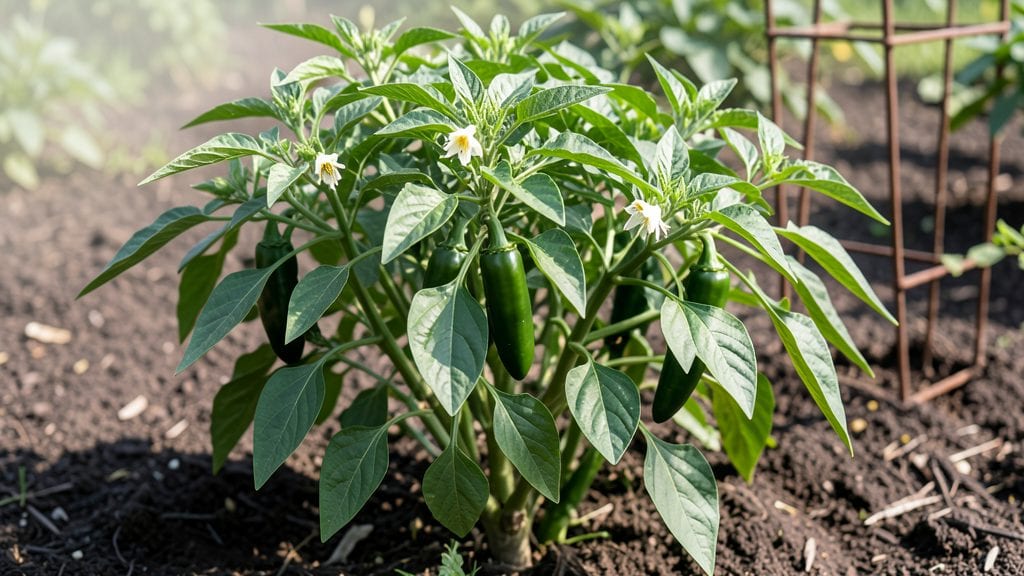
Growing jalapeños in your garden delivers the freshest, spiciest peppers you'll ever taste—straight from your backyard to your plate in just 90 days. 🌱 I started with a single plant years ago, and now my garden produces more than I can eat, even after sharing with neighbors who beg for extras.
The secret isn't complicated: it's about the right soil, consistent care, and knowing when to pick them at their peak heat.
You'll need a spot with full sun (at least 6-8 hours daily), well-draining soil, and a warm season—think late spring or early summer for most climates. Start seeds indoors 8-10 weeks before your last frost, or buy sturdy transplants and get them in the ground when soil reaches 60°F.
Space plants 18-24 inches apart to give them room to thrive, and feed them every 2-3 weeks once they start flowering. Patience pays off: those first green peppers appear around 60-75 days after transplanting.
By harvest time, you'll be snipping bright green, firm jalapeños straight from the vine—hotter and fresher than anything store-bought. The flavor deepens as they ripen to red, but green peppers pack the classic tangy kick.
Plus, you'll avoid the waxy, flavorless peppers that sit on grocery shelves for weeks. With the right care, one plant can yield 20-30 peppers, and if you love spice, you'll want to grow more.
Here's the best part: jalapeños are disease-resistant and handle heat well, so they're perfect for summer gardens. If pests like aphids show up, a strong spray of water usually does the trick.
And if growth stalls, check your watering—consistent moisture (not soggy soil) keeps them producing until frost. Ready to grow your own fire? Let's get those seeds in the ground!
📚 In This Guide
- What you need
- Instructions
- Tips and common mistakes
- Wrapping up and next steps
What you need
- ● Jalapeno Seeds or Seedlings: 3–5 plants (if starting from seeds) or 1–2 seedlings per person (for a small harvest).
- ● Pro tip: 🌡️ Opt for heat-tolerant varieties like 'Early Jalapeño' or 'NuMex Sandia 5' for faster growth!
- ● Containers or Garden Bed: Containers: 5-gallon pots (1 per plant) with drainage holes.
- ● Garden Bed: Well-draining soil, 6–8 inches deep, in a sunny spot (6+ hours of sunlight daily).
- ● Potting Soil or Garden Soil: 1–2 bags of high-quality pepper-specific mix or a blend of 60% potting soil + 40% compost.
- ● Fertilizer: Balanced 10-10-10 or 5-10-10 fertilizer (follow package instructions).
- ● Pro tip: ✨ For extra heat, add a pinch of Epsom salt (1 tbsp per gallon of water) every 2 weeks!
- ● Watering Can or Hose: With a gentle spray nozzle to avoid disturbing soil.
- ○ Mulch (Optional but Recommended): Straw or shredded leaves to retain moisture and suppress weeds.
- ● Gloves: Heavy-duty gardening gloves (jalapenos can be spicy to handle!).
- ● Trowel or Hand Shovel: For planting and soil prep.
- ● Pruning Shears: To trim excess leaves or encourage bushier growth.
- ○ Support Stakes (Optional): 2–3 ft bamboo stakes or cages for taller plants.
- ● pH Test Kit: To ensure soil pH is between 6.0–7.0 (jalapenos love slightly acidic soil!).
- ● 🌡️ Warmth: Jalapenos thrive in temperatures 70–90°F. Start seeds indoors 8–10 weeks before the last frost or wait until soil is 60°F+.
- ● ⏰ Time: 90 days from transplant to harvest (or 120 days from seed).
- ● 💧 Consistency: Water 1–1.5 inches per week (keep soil moist but not soggy!).
Step-by-step instructions for growing jalapeño peppers at home
Here’s how to grow bold, homegrown jalapeños in just 90 days—no fancy equipment needed.
🌱 Step 1: Start Seeds Indoors 8-10 Weeks Before Last Frost
Fill 2-inch-deep seed trays with sterile seed-starting mix (not garden soil) and moisten it until damp but not soggy. Plant 2-3 seeds per cell just ¼ inch deep—deeper planting slows germination. I tap the tray gently to settle the soil without compacting it, then cover with a humidity dome or plastic wrap to trap warmth.
Place the tray on a seedling heat mat (keeps soil at 75-85°F) and position under a grow light for 14-16 hours daily. Without heat, germination can take 2-3 weeks; with warmth, you’ll see sprouts in 7-10 days. Keep the soil consistently moist but never waterlogged—damping-off (a fungal rot) can wipe out seedlings overnight.
☀️ Step 2: Harden Off and Transplant After All Frost Risk Passes
Two weeks before your last frost date, move seedlings outside for 1-2 hours daily, gradually increasing time to full sun exposure over 10-14 days. This toughens them up—skipping this step causes shock, wilting, or even death when planted too soon. Choose a sunny spot with 6+ hours of direct light (jalapeños need heat to develop spice).
Dig holes twice as wide as the root ball and space plants 18 inches apart (they’ll spread). Bury just enough to cover the soil line on the stem—planting too deep suffocates the roots. Water deeply right after transplanting to settle the soil and encourage root growth. Mulch with 2-3 inches of straw to retain moisture and suppress weeds.
💧 Step 3: Water Deeply and Fertilize for Maximum Heat
Jalapeños hate soggy roots but need consistent moisture—water once weekly (or more in 90°F+ weather) until the top 2 inches of soil feel dry. I water at the base in the early morning to prevent fungal diseases. Avoid wetting leaves, which can lead to bacterial spot or powdery mildew.
Feed plants every 3-4 weeks with a balanced fertilizer (10-10-10 or 5-5-5) to boost fruit production. When flowers appear, switch to a low-nitrogen, high-phosphorus fertilizer (like 5-10-10) to encourage fruiting. You’ll know it’s working when plants produce white flowers followed by green peppers in 60-70 days from transplant.
✂️ Step 4: Prune and Harvest for Bigger, Hotter Peppers
When plants reach 24 inches tall, pinch off the top growth to redirect energy into fruit production. Remove any suckers (shoots growing in the leaf axils) to prevent overcrowding. Prune in the morning so wounds have time to dry before evening moisture sets in. This step isn’t mandatory, but it doubles yield by focusing the plant’s energy.
Harvest jalapeños when they’re 3-4 inches long and firm to touch—green peppers are milder but still spicy, while red ones (left on the plant longer) pack double the heat. Use pruning shears to cut stems cleanly, leaving ¼ inch of stem attached. Store in a cool, dark place for up to 2 weeks, or freeze for later use. The more you harvest, the more the plant produces!
🌿 Step 5: Extend the Season (If You’re Lucky)
In warm climates, jalapeños keep producing until first frost. In cooler areas, prune back plants after harvest and cover with row fabric to protect them through fall. If you’re in Zone 8-10, some plants may even survive winter—just mulch heavily and water occasionally. Next spring, they’ll bounce back with fewer but bigger peppers.
Save seeds from your best peppers for next year by fermenting them in saltwater for 3-5 days, then rinsing and drying. Store in a cool, dry place—homegrown seeds often produce hotter, more flavorful peppers than store-bought varieties. Now that’s what I call garden magic!
Tips & tricks for growing spicy homegrown jalapeños
Growing your own jalapeños is easier than you think—here are my go-to tricks to ensure a bountiful harvest of fiery peppers.
Seedling Heat Factor: The 75-85°F soil temperature range during germination is non-negotiable. If your home runs cooler, place the seed trays on top of your refrigerator (not inside!) or use a seedling heat mat. I've seen germination times stretch to 3 weeks without proper warmth—don't let that happen! The 14-16 hours of grow light daily is also critical. If you don't have a dedicated grow light, place seedlings near a south-facing window where they'll get maximum natural light.
Harden Off Like a Pro: The gradual 10-14 day hardening process is where many beginners fail. Start with just 1-2 hours outside in a sheltered spot, then increase exposure. I like to use a small shade cloth on sunny days to prevent leaf scorch. The key is to mimic outdoor conditions—wind, sun, and temperature fluctuations—so your plants don't go into shock when it's time to transplant.
Pruning Payoff: That optional pruning step in Step 4 actually doubles your yield when done right. When plants hit 24 inches, pinch off the main stem's top growth just above a leaf node. This forces energy into lateral branches where peppers form. I also remove any suckers (those little shoots in leaf axils) because they compete with fruit production. Just be sure to prune in the morning so wounds have all day to dry out—this prevents fungal infections.
Fertilizer Timing: The switch from balanced fertilizer to low-nitrogen, high-phosphorus when flowers appear is crucial for fruiting. I've seen plants with lush green leaves but no peppers because they were getting too much nitrogen. Once those white flowers appear, make the switch immediately. You'll know it's working when you see peppers forming within 60-70 days—that's when you'll taste the difference in heat and flavor!
Pro Tips for Jalapeno Grow A Garden
- Growing your own jalapeños is easier than you think—here are my go-to tricks to ensure a bountiful harvest of fiery p...
- Seedling Heat Factor: The 75-85°F soil temperature range during germination is non-negotiable. If your home runs cool...
- Harden Off Like a Pro: The gradual 10-14 day hardening process is where many beginners fail. Start with just 1-2 hour...
Frequently asked questions
Got questions about growing your own spicy jalapeños? You’re not alone!
Here are the answers to the most common queries from gardeners just like you—whether you're a first-timer or a seasoned green thumb looking for a quick refresh.
How long does it take for jalapeño plants to produce fruit?
With the right care, jalapeño plants typically start producing peppers 60–90 days after transplanting (or 70–100 days from seed). Early varieties like ‘Early Jalapeño’ can even bear fruit in as little as 60 days! Patience is key—healthy plants reward you with spicy harvests in no time.
Can I grow jalapeños in containers, or do I need a full garden bed?
Jalapeños thrive in containers as long as the pot is at least 12–18 inches deep and wide enough to support the plant’s root system. Use well-draining soil, place them in a sunny spot (6+ hours of light), and fertilize regularly. Just avoid overcrowding—give each plant 18–24 inches of space.
Why aren’t my jalapeño plants flowering or fruiting?
No flowers or peppers? Check these common culprits:
- Not enough sunlight: Jalapeños need 6–8+ hours of direct sun daily.
- Temperature stress: Keep soil temps above 60°F (15°C)—they’re sensitive to cold snaps.
- Over/under-watering: Let soil dry slightly between waterings but avoid soggy roots.
- Nutrient deficiency: Feed with a balanced fertilizer (like 10-10-10) every 3–4 weeks.
How do I know when jalapeños are ready to harvest?
Jalapeños are ready to pick when they’re 3–5 inches long and firm to the touch. For milder heat, harvest when green; for hotter flavor, wait until they turn red (or other colors like yellow/black). Use pruning shears or twist gently—avoid pulling to protect the plant!
What can I do with jalapeño plants after harvest?
Don’t toss those post-harvest plants! With care, they’ll keep producing for 6–8 weeks after the first harvest. Prune spent flowers to encourage new growth, water consistently, and fertilize lightly. If frost threatens, harvest the whole plant and dry or freeze the peppers for later use!
Pro Tip:
Want extra peppers? Pinch off the first few flowers to let the plant focus on growing stronger. This trick boosts yield and bigger, tastier jalapeños later in the season!
Wrapping up and next steps
Growing your own jalapeño peppers in just 90 days is not only rewarding but also delicious! With the right soil, sunlight, and care, you’ll soon be harvesting fresh, fiery peppers to spice up your favorite dishes.
Whether you’re a beginner or a seasoned gardener, this guide makes it simple—so grab those seeds and get planting! 🌱
Ready to take the next step? Start small with a few plants, experiment with varieties, and soon you’ll be sharing your homegrown jalapeños with friends and family. Happy gardening!