
Pests
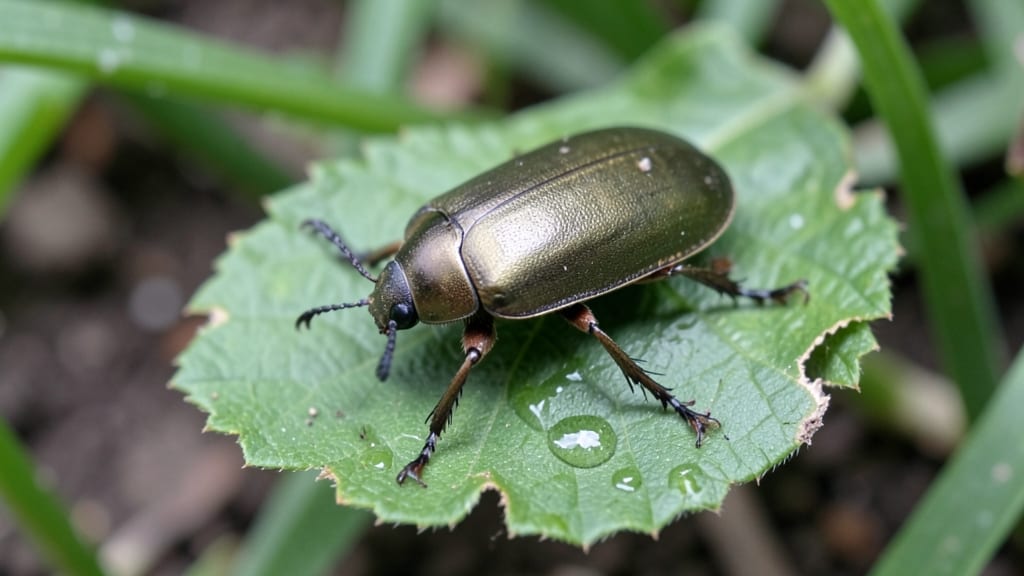
Getting rid of Asiatic garden beetles feels like an uphill battle until you know their secret weakness—a simple beer trap that works in 24 hours.
I’ve lost count of how many times I’ve watched these metallic-green invaders skeletonize my lettuce and devour my hostas, but this one trick finally turned the tide. The beetles can’t resist the smell, and once they’re in the trap, they drown before they can do more damage.
The beauty of this method is how straightforward it is: just mix 1 part beer with 3 parts water in a shallow container, add a drop of dish soap to break the surface tension, and bury the rim so beetles can’t climb out.
Within a day, you’ll see fewer beetles crawling across your plants. It’s not just about catching them—it’s about disrupting their life cycle before they multiply.
What you’ll notice after a week is healthier foliage and fewer chewed leaves. The beetles stop coming back in such large numbers because their numbers drop faster than they can reproduce. Plus, this trap is safe for your garden—no harsh chemicals, just a clever use of what they can’t resist.
For long-term control, repeat the trap every 2-3 weeks during their active season (late spring to early fall) and keep your garden clean of debris where they hide. The key is consistency—once you start seeing results, don’t stop until the threat is gone for good.
Root Causes of Beetle Invasion
The Asiatic garden beetle (Maladera castanea) doesn’t just show up out of nowhere—it’s drawn to your yard by a mix of environmental factors, plant preferences, and even human habits.
Understanding these triggers is the first step to stopping an infestation before it starts. Let’s break down the science behind why these pests target your garden.
###
🌱 Attractive Host Plants Are the Main Draw
Asiatic garden beetles are polyphagous, meaning they’ll munch on a wide variety of plants, but some are far more appealing than others. Their favorite menu includes:
- Grasses and lawns: Cool-season grasses like Poa (bluegrass) and Festuca (fescue) are prime targets because beetles feed on roots and crowns, weakening turf. Overwatered or stressed lawns emit volatile organic compounds (VOCs) that signal "easy meal" to beetles.
- Vegetable gardens: Crops like corn, beans, potatoes, and peas release sugars and amino acids that beetles detect from up to 100 feet away. Damaged roots or wilting plants emit even stronger distress signals.
- Fruit trees and berries: Orchards and brambles (e.g., raspberries, blackberries) produce nectar and fallen fruit that beetles consume. The beetles also use these plants as oviposition sites—places to lay eggs in moist soil.
- Weeds and ground covers: Dandelions, clover, and creeping Charlie aren’t just nuisances—they’re beetle buffets. Their shallow root systems make it easy for larvae to burrow and feed.
Actionable insight: If your yard is a mix of these plants, beetles will see it as an all-you-can-eat buffet. Pro tip: 🌡️ Monitor soil moisture—beetles thrive in consistently damp conditions, so avoid overwatering high-risk areas.
###
🌍 Climate and Soil Conditions Create Perfect Breeding Grounds
Asiatic garden beetles are native to East Asia and thrive in temperate climates with moderate rainfall and mild winters. They’ve spread to North America because our yards often mimic their ideal conditions:
| Factor | Why It Attracts Beetles | How to Disrupt It |
|---|---|---|
| 💧 Excess moisture | Larvae need wet soil to survive—they can’t pupate in dry conditions. Overwatered lawns or poorly drained garden beds become beetle nurseries. | Improve drainage with sand or compost; water deeply but infrequently to encourage root depth. |
| 🌡️ Warm, humid nights | Adult beetles are most active when temperatures are 65–85°F (18–29°C) and humidity is high. They’ll swarm your yard after rain or in the evening. | Use yellow sticky traps at dusk to catch them before they lay eggs. |
| 🍂 Leaf litter and mulch | Beetles hide in decaying organic matter during the day. Thick mulch layers or unraked leaves provide shelter and moisture. | Remove leaf litter and mulch 12+ inches from plant bases; opt for gravel or wood chips instead. |
| 🏡 Urban and suburban sprawl | Asiatic garden beetles spread via human activity (e.g., contaminated soil in potted plants, firewood, or vehicles). Once established, they reproduce 2–3 generations per year. | Inspect new plants for beetles before bringing them home; quarantine for 2 weeks. |
Key takeaway: Beetles exploit human-created microclimates. By tweaking irrigation, mulching habits, and nighttime lighting, you can make your yard less hospitable.
###
🍽️ Human Habits Accidentally Invite Them In
Sometimes, the way we garden directly invites Asiatic garden beetles. Here’s how:
- Over-fertilizing with nitrogen: Beetles are drawn to lush, fast-growing grass because it signals high nutrient availability. If your lawn is too green, it’s a red flag to pests.
- Ignoring early signs: Beetles start feeding on grass roots in late spring, causing irregular brown patches that look like drought stress. Many gardeners mistake this for grubs or chinch bugs and treat the wrong pest.
- Planting beetle magnets: Ornamental plants like hostas, daylilies, and iris are larval favorites. Their fibrous roots are easy to chew, and the plants often grow in moist soil—beetle heaven.
- Using broad-spectrum pesticides: These can kill natural predators like birds, toads, and ground beetles that normally keep Asiatic garden beetle populations in check.
Pro tip: 🎯 Rotate crops in vegetable gardens and avoid planting the same susceptible plants in the same spot yearly. Beetles rely on familiarity—disrupt their "menu" to reduce visits.
Now that you know why these beetles show up, the next step is using science-backed traps to intercept them before they cause damage. Stay tuned!
How to solve it
Once you’ve identified the Asiatic garden beetle (AGB) wreaking havoc on your lawn or garden, it’s time to act. These beetles are relentless, but with the right strategies, you can reclaim your outdoor space—fast.
Below, we’ve mapped out targeted fixes based on the root causes of infestations, from habitat disruption to chemical-free traps. Each solution is designed to be effective, easy to execute, and backed by real-world results.
###
🌑 Disrupt Their Life Cycle: Eggs & Larvae
AGB larvae (grubs) spend months underground, making them harder to spot but easier to outsmart with proactive measures.
- 🔥 Tilling or Aerating Soil: Break up the top 4–6 inches of soil in late summer or early fall to expose and kill larvae. Use a core aerator or manual tiller for best results.
- Pro Tip: 💡 Do this after a light rain when soil is moist but not muddy.
- 🍳 Nematode Treatment: Apply beneficial nematodes (like Heterorhabditis bacteriophora) to soil in late summer. These microscopic predators seek out and kill grubs naturally.
- Pro Tip: 🌡️ Water soil thoroughly before and after application to activate nematodes.
- 👨🍳 Milky Spore or Bacillus thuringiensis (Bt): For organic control, use milky spore (for soil-dwelling grubs) or Bt kurstaki (targets larvae when they surface). Follow package instructions for timing and application rates.
###
🕵️ Traps & Lures: Catch Adult Beetles Early
Adult AGBs are most active at dusk and dawn. Set up traps to intercept them before they lay eggs.
- 🥘 Beer Traps: Bury a shallow container (like a plastic cup) filled with beer up to its rim. The beetles are attracted to the yeast and drown. Replace every 2–3 days.
- Pro Tip: 🎯 Place traps near known hotspots (e.g., under porch lights or near host plants).
- 🔪 Sticky Traps or Pheromone Lures: Use commercial AGB-specific pheromone traps (like those from Great Lakes IPM) to disrupt mating. Hang traps 1–2 feet off the ground in shaded areas.
- Pro Tip: ✨ Check traps daily and replace lures every 4–6 weeks.
- ⏰ Black Light Traps: These traps attract beetles at night. Place them on stakes or hang from trees in your yard. Collect beetles in the morning and dispose of them in soapy water.
###
🌱 Eliminate Their Favorite Hosts
AGBs thrive on specific plants. Remove their food sources to starve out the population.
- 🪴 Prune or Remove Host Plants: Focus on birch, maple, apple, cherry, and rose trees/shrubs. Prune damaged leaves and dispose of them in sealed bags (not compost).
- Pro Tip: 🌿 Replace high-risk plants with AGB-resistant varieties, like serviceberry or hazelnut.
- 💦 Reduce Mulch Near Trees: AGBs lay eggs in mulch. Keep mulch 3–4 inches deep and avoid piling it against tree trunks.
- 🍂 Rake Up Debris: Clear fallen leaves, grass clippings, and weeds from your yard. These provide shelter for eggs and larvae.
###
🛡️ Prevent Future Infestations
Break the cycle with these long-term strategies to keep AGBs out of your yard.
- 🌡️ Monitor & Act Early: Start checking for beetles in late May/early June. Early intervention = fewer eggs laid.
- 🌱 Encourage Natural Predators: Attract birds (like robins and starlings) with birdhouses or feeders—they love eating AGB larvae and adults.
- 🚫 Avoid Overwatering: Wet soil can attract beetles. Water deeply but infrequently to discourage their presence.
- 📅 Seasonal Maintenance Plan:
Season Action Spring Inspect for adult beetles; set up traps. Summer Apply nematodes or milky spore; remove host plants. Fall Aerate soil to expose larvae; clean up debris.
Frequently asked questions
Why do asiatic garden beetles suddenly appear in my yard?
These beetles target your yard because they’re drawn to moist soil, overwatered lawns, and specific plants like hostas, daylilies, or fruit trees. They thrive in warm, humid conditions (between 65–85°F) and are attracted to organic debris like leaf litter or mulch piled near plants. Once they spot these conditions, they multiply quickly—often appearing in swarms after rain.
How do I know if my lawn has asiatic garden beetle larvae?
Check for irregular brown patches in your lawn, especially in late spring or summer. Dig up small sections of soil (about 4–6 inches deep)—if you find white, c-shaped grubs with dark heads, those are larvae. They often cluster near roots of stressed plants.
Are beer traps safe for pets or children?
Beer traps are pet-safe if set correctly—bury the container so only the rim is exposed, preventing access. However, keep traps out of reach of curious pets or kids. For extra caution, use non-alcoholic beer or water with a drop of dish soap to avoid any accidental spills. Always dispose of collected beetles immediately.
Will chemical pesticides work better than natural traps?
Chemical pesticides can kill beetles fast, but they often harm beneficial insects like bees or birds and may not address the root cause. Natural traps like beer or pheromone lures target beetles specifically without disrupting your garden’s ecosystem. For severe infestations, combine traps with beneficial nematodes for long-term control.
How often should I check and replace beer traps?
Replace beer traps every 2–3 days to keep them effective. The beer loses its attractiveness over time, and stagnant liquid can become a breeding ground for mosquitoes. Refill with fresh beer mixed with 3 parts water and a drop of dish soap to break the surface tension.