
Pests
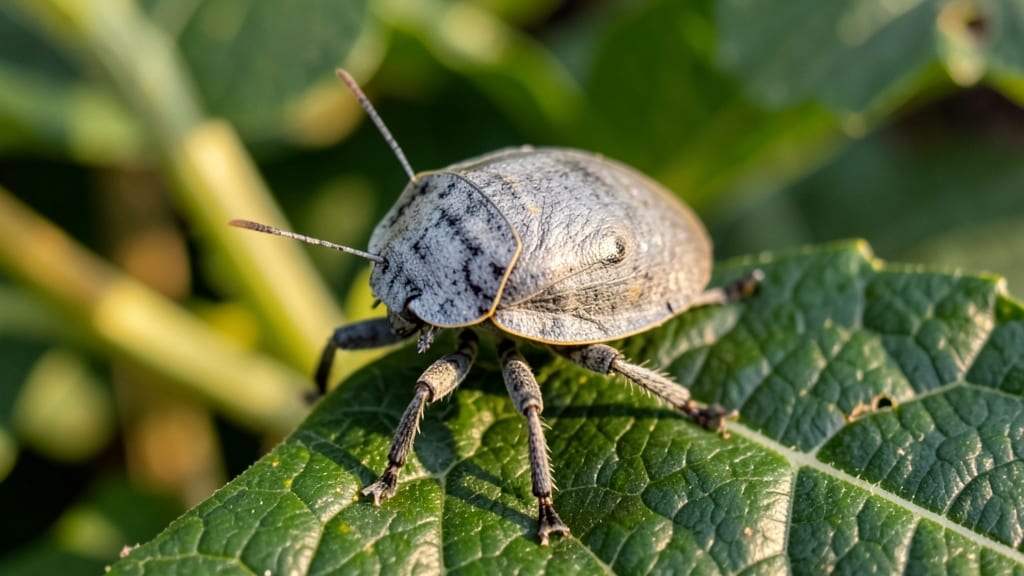
Learn how to get rid of squash bugs in the garden before they devour your zucchini patch—neem oil spray was my game-changer after years of battles. 🌿 my garden. The key isn’t just killing adults but stopping their eggs from hatching.
Start by scouting your plants for the telltale brown, flattened bugs hiding under leaves or along stems. Their eggs look like tiny clusters of tiny yellow dots on the undersides of leaves—remove those first with a stiff brush or soapy water.
Neem oil disrupts their life cycle when applied at dusk, but timing matters: spray before eggs hatch in spring or after adults die in fall.
You’ll see fewer bugs within a week, and your squash plants will bounce back with vibrant green leaves and actual fruit. The spray works on both adults and eggs, but you’ll need to repeat it every 5-7 days until the bugs disappear.
For stubborn infestations, combine it with row covers or diatomaceous earth.
This method works in home gardens, raised beds, or containers—just avoid spraying when bees are active. The secret is consistency, not brute force. Once you master the timing, squash bugs become a non-issue, and your harvest stays thriving all season.
Root Causes of Squash Bug Infestations
Squash bugs (Anasa tristis) don’t just randomly appear in your garden—they’re drawn by specific conditions that make your plants a perfect buffet. Understanding these triggers is the first step to stopping them before they devastate your squash, pumpkins, or cucumbers.
Let’s break down the science behind why these pests show up in force.
Squash bugs are specialists—they target plants in the Cucurbitaceae family, which includes:
- Squash (summer and winter varieties)
- Pumpkins
- Cucumbers
- Gourds
- Melons
Why it happens: These plants produce volatile organic compounds (VOCs) that squash bugs detect from up to 10 feet away using their antennae. Once they land, they feed on plant sap, weakening vines and causing yellowing leaves, wilting, and scorch marks. Females lay eggs in clusters on the undersides of leaves, ensuring the next generation is already on-site when the hatchlings emerge.
Actionable insight: If you’ve planted cucurbits, you’ve already created an all-you-can-eat buffet for squash bugs. The more susceptible plants you grow, the higher the risk of an infestation.
Squash bugs thrive in warm, humid climates (ideal temps: 70–85°F). Here’s how weather plays a role:
| Life Stage | Time to Complete | Weather Impact |
|---|---|---|
| Eggs | 7–14 days | Hatch faster in warm, humid conditions |
| Nymphs (5 stages) | 4–6 weeks | Develop quicker with consistent heat |
| Adults | Overwinter in soil | Survive cold but emerge early in spring if soil warms fast |
Why it happens:
- Spring warmth triggers adults to emerge from overwintering sites (mulch, garden debris, or soil).
- Summer humidity keeps eggs from drying out, ensuring high survival rates.
- Drought stress in plants makes them more vulnerable—squash bugs detect weakened hosts easily.
Actionable insight: If your garden is in a hot, muggy region, squash bugs may have multiple generations per year, making control harder. Monitor plants closely during peak heat (June–August).
Squash bugs don’t just infest your current crop—they overwinter in garden debris, waiting for next year’s planting.
Their survival strategy relies on: - Mulch piles (they hide under straw or leaves) - Old plant stems (eggs laid in fall stay dormant until spring) - Weeds (especially smartweed and purslane, which they also feed on)
Why it happens:
- Adults lay eggs in fall on dead vines or soil.
- Eggs survive winter in a diapause (a dormant state) until spring warmth triggers hatching.
- Lack of cleanup means next year’s garden is pre-infested before you even plant.
Actionable insight: A single missed stem can mean hundreds of eggs hatching in spring. If you skipped fall cleanup last year, your current squash bugs may be second-generation pests from last season’s leftovers.
In a healthy ecosystem, squash bugs face dozens of predators, but human activity (like pesticides) can disrupt this balance.
Their natural enemies include: - Spined soldier bugs (devour eggs) - Big-eyed bugs (hunt nymphs) - Parasitic wasps (lay eggs inside squash bug eggs) - Birds (peck at adults) - Ground beetles (eat nymphs)
Why it happens:
- Broad-spectrum pesticides kill beneficial insects faster than squash bugs, leaving the pests unchecked.
- Monoculture gardening (planting only cucurbits) removes diversity, reducing predator habitats.
- Compacted soil (from foot traffic or machinery) makes it harder for beetles to hunt effectively.
Actionable insight: If your garden is chemical-free, you might still see squash bugs—but they’ll be outnumbered by predators. If you’ve used pesticides recently, you’ve likely removed the bugs’ biggest threats.
Squash bugs love stressed plants. When soil is:
- Too compacted (from heavy foot traffic or machinery)
- Waterlogged (poor drainage)
- Nutrient-deficient (lack of organic matter)
Why it happens: Stressed plants emit different chemical signals, attracting squash bugs like a dinner bell. Additionally:
- Slow-growing vines can’t outpace bug feeding.
- Root damage (from compaction) reduces plant resilience.
- Fungal infections (from soggy soil) weaken defenses.
Actionable insight: A thriving, well-drained plant is less appealing to squash bugs. If your garden has clay soil or heavy mulch, bugs may target it more aggressively.
Squash bugs don’t invade randomly—they’re drawn by a perfect storm of: ✅ Their favorite plants (squash, pumpkins, cucumbers) ✅ Warm, humid weather (speeding up their life cycle) ✅ Garden debris (hiding spots for eggs) ✅ Few natural predators (due to pesticides or monoculture) ✅ Stressed plants (easier meals)
The good news? Once you remove one or more of these triggers, you can dramatically reduce their numbers—often without harsh chemicals. The next section covers how to disrupt their life cycle before they take over.
Fix Squash Bugs Fast
Squash bugs are tenacious pests, but with the right strategies, you can reclaim your garden. The key is to tackle them at every stage—from eggs to adults—while preventing future infestations. Below, we’ll map the most common causes to practical, garden-friendly fixes, including organic solutions and long-term prevention.
Squash bugs lay eggs in clusters on the undersides of leaves, often near the stems. If you spot these flat, tan ovals, act fast—they’ll hatch in 7–10 days.
How to Fix It:
- 🔥 Scrape Them Off – Use a plastic spoon or your fingernail to gently scrape eggs into soapy water. Check leaves every 2–3 days during squash bug season (late spring to early summer).
- 🍳 DIY Neem Oil Spray – Mix 1 tsp neem oil + 1 tsp mild soap + 1 quart water in a spray bottle. Apply early morning or late evening (avoid direct sun) to suffocate eggs. Reapply every 5–7 days for 2 weeks.
- 👨🍳 Cover Young Plants – Use floating row covers (lightweight fabric) over seedlings to block adults from laying eggs. Remove covers when plants flower to allow pollination.
💡 Pro Tip: Look for eggs near veins or leaf edges—that’s their favorite spot!
Adult squash bugs (½-inch long, grayish-brown with a white stripe) suck plant juices, causing wilting and yellowing. They’re hard to spot but leave black, foul-smelling droppings behind.
How to Fix It:
- 🔪 Handpick & Drop in Soapy Water – Wear gloves and crush adults between your fingers or drop them into a bucket of hot, soapy water. Check under leaves and along stems daily.
- 🥘 Beer Trap (Yes, Really!) – Fill a shallow dish with beer and bury it near plants. The yeast attracts squash bugs, drowning them. Refresh every 2–3 days.
- 🌡️ Solarization (For Severe Infestations) – If bugs persist, cover the soil with clear plastic for 4–6 weeks in hot sun. The trapped heat kills eggs and pupae.
✨ Prevention Hack: Plant nasturtiums or marigolds nearby—their strong scent repels squash bugs naturally.
Squash bugs thrive in dense, stressed plants with poor airflow. Overcrowding gives them hiding spots and easy access to sap.
How to Fix It:
- 🍎 Prune for Airflow – Thin vines so leaves don’t touch each other, reducing hiding spots. Remove yellowing or damaged leaves immediately.
- 📊 Crop Rotation – Never plant squash, pumpkins, or cucumbers in the same spot two years in a row. Squash bugs overwinter in soil—rotation breaks their cycle.
- 💪 Strengthen Plants – Healthy plants resist pests better. Use compost or balanced fertilizer (high in potassium) to boost vigor.
🎯 Long-Term Strategy: Interplant squash with basil or thyme—their scents deter squash bugs.
Squash bugs overwinter as adults in garden debris or soil. If you’ve had them before, they’re likely lurking nearby.
How to Fix It:
- 🔪 Deep Till in Fall – After harvest, till the soil 6–8 inches deep to expose and kill overwintering adults.
- 🌡️ Solarize Bare Soil – In late summer, cover cleaned garden beds with clear plastic for 4–6 weeks. The heat sterilizes eggs and pupae.
- 🚫 Remove Debris – Clear old plant matter, mulch, and weeds from the garden bed. Burn or compost only if heat-treated (to kill eggs).
💡 Winter Prep: Spread straw mulch in fall—it smothers overwintering bugs while protecting soil.
Final Reminder: Consistency is key! Check plants daily during peak season (June–August), and combine mechanical removal + neem oil + crop rotation for the best results. With these steps, your squash, pumpkins, and cucumbers will stay bug-free and thriving! 🌱💚
Frequently asked questions
Why do squash bugs keep coming back even after I treat them?
Squash bugs have a two-year life cycle—adults overwinter in garden debris or soil, and their eggs can survive until spring. If you missed removing last year’s plant stems or mulch, new bugs will emerge. Focus on fall cleanup (till soil 6-8 inches deep) and solarization (covering soil with plastic for 4-6 weeks) to kill overwintering pests before they hatch.
Is neem oil safe for squash plants, or will it harm them?
Neem oil is plant-safe when used correctly—just dilute it properly (1 tsp neem oil + 1 tsp mild soap + 1 quart water) and apply at dusk to avoid leaf burn. Avoid spraying when bees are active, and always test a small leaf area first. It’s non-toxic to humans and pets once dry, but store it away from children.
Can I use store-bought insecticides, or should I stick to organic methods?
Chemical insecticides like pyrethrin or carbaryl kill squash bugs fast, but they also harm beneficial insects (like ladybugs) and can leave residues. For most home gardens, organic methods (neem oil, handpicking, or beer traps) work just as well. Save chemicals for severe infestations and always follow label instructions—overuse can make bugs resistant.
How do I know if my squash bugs are eggs or nymphs? What’s the difference?
Squash bug eggs are flat, tan ovals clustered on leaf undersides (like tiny footballs), while nymphs look like miniature adults (grayish-brown with white stripes) but lack wings. Eggs hatch in 7-10 days, so check leaves every 2-3 days in spring. Nymphs go through 5 stages before becoming adults—target both with neem oil or hand removal.
Will companion planting alone stop squash bugs?
Companion planting (like nasturtiums or marigolds) helps deter bugs with strong scents, but it’s not a standalone solution. Combine it with physical removal (handpicking) or neem oil sprays for best results. The key is disrupting their life cycle—eggs, nymphs, and adults—while keeping your plants healthy with proper spacing and fertilization.