How To
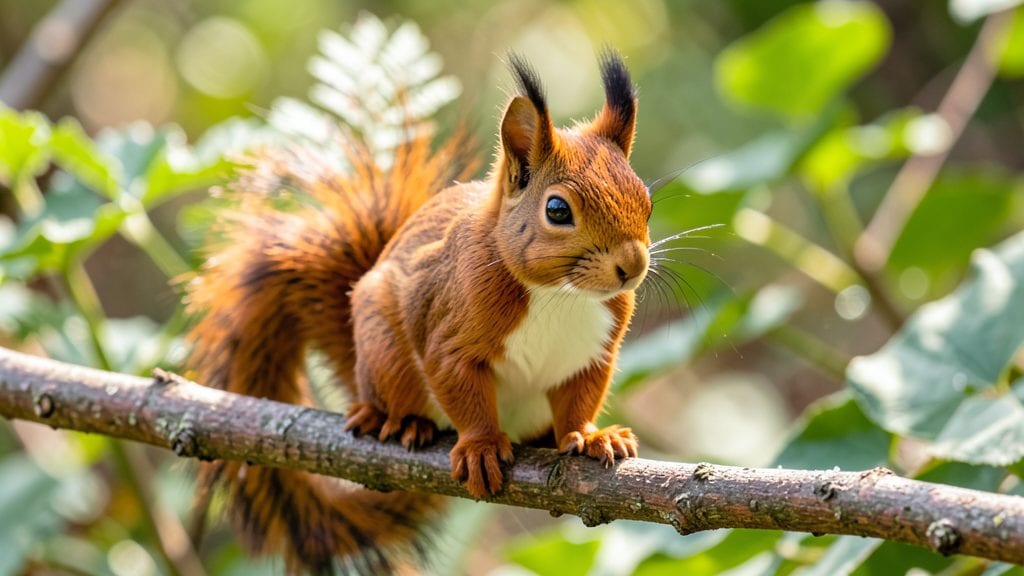
Squirrels turning your garden into a buffet line? 🌱 I’ve lost count of the times I’ve found my tomato plants stripped bare or seed packets chewed open—until I discovered these humane deterrents that actually work without harming the critters.
The key is combining physical barriers with natural repellents that squirrels hate—like strong smells or textures they avoid. A simple chicken wire wrap around young trees or raised beds keeps them out, while planting deterrent herbs like mint or lavender around vulnerable spots confuses their noses.
I’ve even used motion-activated sprinklers—they’re startled by the water, but no one gets hurt.
What you’ll end up with is a garden where squirrels think twice before raiding. No more stolen sunflower seeds or gnawed bulbs, and you can finally enjoy the peace of watching your plants grow without becoming a wildlife snack bar.
The best part? These methods work year-round, whether they’re digging for nuts in fall or snacking on tender shoots in spring.
Fair warning: persistence is key—squirrels are clever, but they’re not invincible. Start with one or two techniques, track what works in your yard, and adjust. Within a few weeks, you’ll see a noticeable difference—and so will your garden.
Root Causes of Squirrel Garden Raids
Squirrels may seem like harmless, bushy-tailed critters, but when they invade your garden, they can turn your hard work into a buffet. Understanding why they’re drawn to your outdoor space is the first step in outsmarting them.
Here’s a breakdown of the key reasons these acrobatic rodents are crashing your garden party—and how their behavior ties to science.
Squirrels are omnivorous opportunists, meaning they’ll eat just about anything—especially if it’s easy to access. Your garden is essentially a 24/7 snack bar if you’re growing their favorite foods. Research from the Journal of Mammalogy shows that squirrels prioritize high-calorie, high-protein, and high-fat foods, which often include:
- Seeds and nuts: Sunflower, corn, and pumpkin seeds are squirrel magnets. Even if you’ve planted them for birds, squirrels will raid them.
- Fruits and vegetables: Tomatoes, berries, peppers, and squash are soft targets. Squirrels don’t just nibble—they devour entire crops.
- Young plants and bulbs: Squirrels dig up tulip and daffodil bulbs not just for the food but also to chew on the roots and stems.
- Pet food and fallen birdseed: If you’ve got a dog or bird feeder nearby, squirrels are definitely using it as a secondary food source.
💡 Pro Tip: If your garden is packed with squirrel favorites, they’ll keep returning—like a fast-food drive-thru with no closing time. The fix? Strategic planting and deterrents (we’ll cover those later!).
Squirrels need three things to thrive: food, water, and shelter. If your garden offers any of these—especially shelter—they’ll move in permanently. According to USDA Forest Service studies, squirrels prefer dense, secluded spots to build nests, called dreys. Common hiding spots in gardens include:
- Tree cavities or thick branches: If you’ve got mature trees, squirrels will use them as natural apartments.
- Brush piles or dense shrubs: Overgrown areas provide perfect camouflage for nests and escape routes.
- Underground burrows: Some squirrel species (like fox squirrels) dig burrows in loose soil, especially near water sources.
- Attics, sheds, or deck gaps: If your garden borders your home, squirrels may see your property as an extension of their territory.
🌡️ Seasonal Factor: Squirrels are most active in spring and fall—nesting season and food storage prep, respectively. If you notice a sudden squirrel surge, check if they’re scouting for winter stashes or building summer homes.
Squirrels need water to survive, and if your garden has easy access, they’ll treat it like a spa day. Birdbaths, dripping hoses, pet water bowls, and even dew-covered plants can attract them.
A study in the Journal of Wildlife Management found that squirrels are 3x more likely to frequent areas with reliable water sources.
They don’t just drink—they bathe. Squirrels love to splash in shallow water, which can lead to muddy paw prints on your clean patio or even chewed-up plants if they’re using them as a watering hole.
Believe it or not, you might be unintentionally encouraging squirrel visits. Common human habits that attract squirrels include:
- Feeding birds: Bird feeders are squirrel superhighways. Squirrels are smart—they’ll jump from feeder to feeder, even if they’re not the target.
- Compost piles: A well-maintained compost bin is a squirrel’s dream. They’ll dig through it for scraps and may even nest in it.
- Open trash cans: Food waste (especially nuts, seeds, or fruit peels) is a free meal.
- Landscaping choices: If you’ve planted native squirrel-friendly plants (like oaks, walnuts, or hickories), they’ll see your yard as a permanent residence.
✨ Fun Fact: Squirrels have excellent memories. If they find a reliable food source (like your compost or bird feeder), they’ll return again and again—sometimes even teaching their young where to find it!
Squirrels aren’t just random visitors—they follow a predictable seasonal schedule that aligns with their survival needs:
| Season | Squirrel Behavior | Garden Impact |
|---|---|---|
| Spring | Nest-building, mating season, and searching for fresh greens and shoots. | They’ll dig up bulbs, chew young plants, and strip bark from trees. |
| Summer | Focus on high-water, high-protein foods (like fruits and insects). | They’ll raid berries, tomatoes, and even pet food left outdoors. |
| Fall | Hyper-active food caching (burying nuts for winter). | They’ll dig holes everywhere, uproot plants, and hoard acorns in your lawn. |
| Winter | Rely on stored food; less active but still destructive if desperate. | They may chew bark for sap or raid bird feeders more aggressively. |
🎯 Actionable Insight: If you’re dealing with a squirrel problem in fall, they’re likely prepping for winter. Block access to food sources now, and you’ll see fewer visitors by spring.
Humane Ways to Outsmart Squirrels
Now that you know why squirrels are crashing your garden party, let’s flip the script and turn the tables—without harming these bushy-tailed bandits. 🐿️🚫 The key is to combine deterrents, distractions, and smart prevention to make your garden less appealing (or even boring) to them.
Below are targeted solutions based on the most common squirrel behaviors and their triggers.
Squirrels love to uproot bulbs, dig for grubs, and snack on young shoots. If your garden looks like a war zone, try these fixes:
- 🔥 Cover Vulnerable Areas Use hardware cloth (not chicken wire—squirrels can chew through it!) to create a barrier around bulbs, seedlings, or raised beds. Bury the edges 6 inches deep to stop them from digging underneath.
- 🍳 Plant Squirrel-Proof Alternatives Swap their favorite snacks (tulips, daffodils, beans) for squirrel-resistant plants like:
- Lavender (strong scent deters them)
- Marigolds (bitter taste they avoid)
- Snapdragons (less appealing texture)
- Alliums (onion family—squirrels hate the smell)
- 👨🍳 Scare Them with Motion Install solar-powered motion-activated sprinklers (like the ScareCrow brand) or reflective tape on stakes. The sudden burst of water or flashing light startles them without harm.
If squirrels are raiding your veggies, fruits, or birdseed, they’re likely cache-hunters or opportunistic snackers. Outsmart them with:
- 🥘 Block Access Points
- Netting: Drape fine mesh netting over berry bushes, tomato plants, or fruit trees. Secure it tightly—squirrels can squeeze through gaps bigger than a quarter!
- Cages: For small gardens, use wire cages (like for strawberries) to protect individual plants.
- 🔪 Remove Food Sources
- Clean up fallen fruit daily (they’ll return if food is easy).
- Store birdseed in squirrel-proof feeders (with a weight-sensitive perch that closes when they land).
- Avoid feeding birds near your garden—it attracts squirrels like a buffet.
- ⏰ Use Time-Based Deterrents
- Harvest first thing in the morning before squirrels wake up.
- Set up a decoy garden 20 feet away with their favorite snacks (like sunflower seeds) to lure them away from the real prize.
Squirrels build nests in tree hollows, sheds, or dense shrubs—and once they claim territory, they’re stubborn. Evict them gently but firmly:
- 🌡️ Remove Nesting Materials
- Trim back overgrown shrubs where they nest.
- Seal gaps in sheds, fences, or tree trunks with steel wool + caulk (they can’t chew through it).
- 🎯 Install Physical Barriers
- Tree collars: Wrap metal tree guards around trunks to block entry.
- Chimney caps: If they’re nesting in your chimney or vents, install squirrel-proof caps.
- 💡 Use Natural Repellents
- Predator urine (coyote or fox) around nesting sites—spray it on entry points (reapply every few weeks).
- Capsaicin spray (chili pepper-based)—squirrels dislike the smell and will avoid treated areas.
The best offense is a squirrel-proof garden ecosystem. Here’s how to make your space uninviting to them:
| Problem | Solution | Why It Works |
|---|---|---|
| Easy food access | Remove fallen fruit, secure trash cans | Squirrels won’t stick around if food is scarce. |
| Soft soil for digging | Mulch with gravel or pine cones | They prefer loose, easy-to-dig soil. |
| Hidden entry points | Seal gaps with hardware cloth | No cracks = no real estate for them. |
| Loneliness (they’re social!) | Add a squirrel-proof bird feeder nearby | Distract them with a "safe" snack zone. |
- 🌿 Rotate deterrents—squirrels get used to the same tricks.
Swap out motion sprinklers for reflective tape every few weeks. - 🐦 Encourage natural predators—install owl boxes or raptor perches to let birds of prey do the work for you. - 🌱 Plant tall grasses or thorny bushes as a buffer zone around your garden’s edge to slow them down. - 🚫 Avoid poison or traps—they’re inhumane, can harm other wildlife, and may not solve the root problem.
Remember: Squirrels are smart, but they’re also creatures of habit. Consistency is key—combine multiple methods for the best results. With patience and persistence, your garden can go from squirrel smorgasbord to squirrel-free sanctuary! 🏡🌱
Frequently asked questions
What’s the fastest way to stop squirrels from digging up my bulbs?
Use hardware cloth (not chicken wire) and bury it 6 inches deep around bulb beds. For immediate results, sprinkle coarse gravel over the area—squirrels hate digging through it. Combine this with predator urine spray (like coyote urine) for extra deterrence.
Will motion-activated sprinklers really work, or will squirrels get used to them?
They work best if you rotate methods—squirrels adapt quickly. Use solar-powered sprinklers for 2 weeks, then switch to reflective tape or wind chimes. The key is unpredictability. Place sprinklers near their favorite entry points (like tree bases or raised beds).
Are there any plants squirrels completely avoid?
Yes! Plant daffodils, alliums (onion family), lavender, or marigolds near vulnerable areas. Squirrels dislike their strong scents and textures. For extra protection, interplant foxglove or snapdragons—their bitter taste deters them.
Can I use pepper spray to keep squirrels away?
Yes, but use capsaicin-based repellents (like hot pepper spray) designed for wildlife. Spray on fences, tree trunks, or garden edges—reapply every 2-3 weeks or after rain. Avoid direct spraying on squirrels (it’s inhumane) and keep pets/kids away until dry.
Why do squirrels suddenly appear in my garden after years of no issues?
They’re likely scouting for winter food (fall) or nesting material (spring). Check for new food sources (like fallen fruit or birdseed) or shelter (overgrown bushes). If nearby trees are producing nuts, they’ll visit more frequently.