Tools
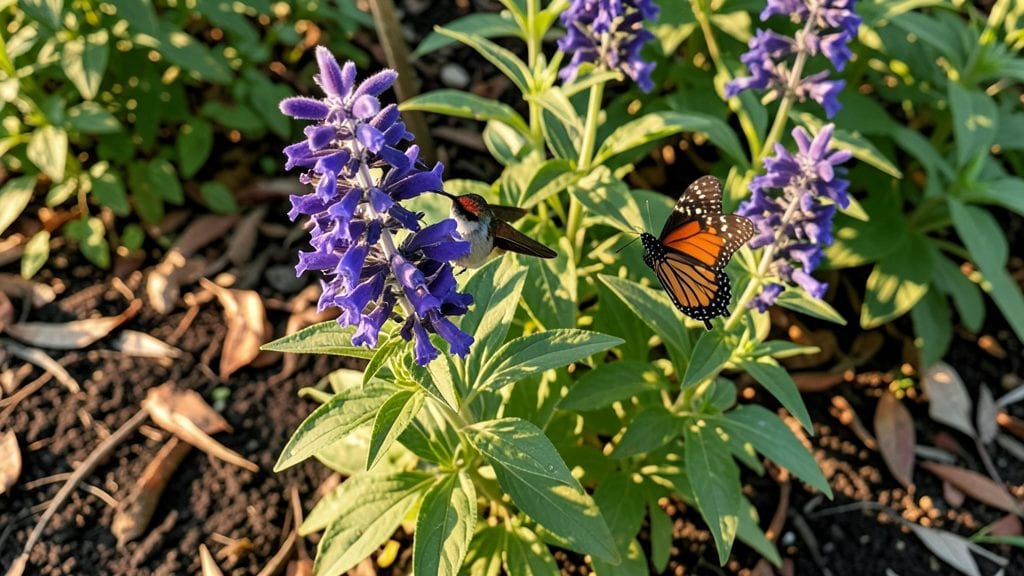
A hummingbird-friendly garden transforms your yard into a whirlwind of iridescent wings and delicate chirps. 🌸 I’ve watched my own backyard go from a quiet corner to a buzzing hub for these tiny acrobats—just by swapping out a few plants and adding a simple water source.
The payoff isn’t just the show; it’s the quiet thrill of knowing you’re supporting one of nature’s most efficient pollinators.
The secret lies in three key elements: nectar-rich blooms that flower in waves (so food is always available), perches where they can rest mid-flight, and shallow water sources they can sip from without drowning.
Native plants like bee balm, columbine, and salvia are the stars, but even non-natives like fuchsia and penstemon work wonders. I’ve seen hummingbirds linger for hours once they discover a reliable spot.
By summer’s end, your garden won’t just look stunning—it’ll hum with life. The blooms stay vibrant longer, the air fills with the sweet scent of tubular flowers, and you’ll catch yourself pausing to watch their darting flight patterns.
It’s the kind of garden that makes neighbors stop and ask, “How’d you get so many hummingbirds?”
Works in containers, borders, or full sun patches—no space is too small. The best part? Once you create this haven, they’ll keep coming back year after year. Let’s get your garden ready for its tiny, feathered guests.
📚 In This Guide
- What you need
- Instructions
- Tips and common mistakes
- Wrapping up and next steps
What you need
- ● Native flowering plants (5–10 varieties): Choose hummingbird favorites like red salvia, bee balm, trumpet vine, columbine, and fuchsia. Aim for at least 3–5 plants per type for continuous blooms.
- ● Perennials + annuals mix: Perennials (e.g., penstemon, cardinal flower) ensure year-round interest, while annuals (e.g., petunia, lobelia) fill gaps.
- ● Red, orange, or pink flowers: Hummingbirds are drawn to these colors—avoid yellow or white blooms (they’re less appealing).
- ● Long, tubular flowers: Prioritize blooms with 2–4 inch tubes (e.g., honeysuckle, coral bells) for easy nectar access.
- ● Garden gloves (1 pair, waterproof for comfort).
- ● Hand trowel or transplanting spade (for delicate root handling).
- ● Pruners (bypass pruners for clean cuts, sterilized to prevent disease).
- ● Watering can or hose with a gentle spray nozzle (hummingbirds prefer shallow water sources too!).
- ● Mulch (2–3 inches): Use organic mulch (e.g., shredded bark) to retain moisture and suppress weeds.
- ● Hummingbird feeder (1–2, red-colored, with 1:4 sugar-water ratio—no dye!).
- ● Shallow birdbath or saucer (fill with pebbles for perching).
- ● Perches or branches near feeders/plants (hummingbirds love resting spots!).
- ● Native soil amendments (e.g., compost) to boost plant health.
- ● Sunlight gauge: Ensure your garden gets 6+ hours of sun daily (most hummingbird plants thrive in full sun).
Step-by-Step guide to creating a hummingbird-friendly garden
Here's how to transform your yard into a buzzing, vibrant haven hummingbirds can't resist.
🌱 Step 1: Select the Right Nectar-Rich Plants for Year-Round Blooms
Start with plants that provide continuous nectar from early spring to late fall. I focus on native species first—hummingbirds evolved with these and recognize their blooms instantly. For spring, include bee balm and columbine—both burst with color and attract early visitors. Summer staples like salvia and fuchsia keep them lingering, while goldenrod and aster extend the feast into autumn.
Place taller plants like cardinal flower at the back of borders, with shorter bloomers like penstemon in front. This creates a layered visual feast that guides hummingbirds through your garden. I always add at least 4-6 plants of each type—hummingbirds are territorial and need plenty of options to feel safe.
☀️ Step 2: Position Plants for Maximum Sun and Wind Protection
Hummingbirds need full sun to partial shade (at least 6 hours of direct sunlight daily). Place your nectar plants where they’ll get morning sun and afternoon shade if your climate runs hot. I avoid placing them in windy spots—hummingbirds hover to feed, and gusts make it exhausting for them.
Create feeding stations by grouping plants in clusters of 3-5. This mimics natural wildflower patches and makes it easier for hummingbirds to find food. If you have space, dedicate a small corner or raised bed exclusively to hummingbird favorites—this becomes their go-to spot.
💧 Step 3: Add a Fresh Water Source for Drinking and Bathing
A shallow water feature is non-negotiable. Hummingbirds need water for drinking and bathing, and a simple setup works best. Use a small birdbath or saucer filled with pebbles—the pebbles create landing spots and prevent them from drowning. Place it near (but not under) plants so they can feed and drink without flying far.
Change the water every 2-3 days to prevent mosquito breeding. I add a dripper or small fountain to keep the water moving—hummingbirds are drawn to the sound and motion. Position the water source within 10 feet of nectar plants so they don’t have to travel far between meals.
✂️ Step 4: Deadhead and Maintain Blooms for Continuous Nectar
Deadheading spent blooms extends the flowering season and ensures a steady nectar supply. I spend 10 minutes weekly snipping faded flowers from bee balm, salvia, and fuchsia—this encourages new blooms and keeps the garden looking fresh. Avoid over-pruning, though; let some seed heads remain for winter interest and food for other wildlife.
Fertilize lightly once in early spring with a balanced, water-soluble fertilizer (like 10-10-10) to promote healthy growth. Too much fertilizer reduces nectar production, so I stick to half the recommended dose. Mulch with 2-3 inches of shredded bark to retain moisture and suppress weeds—hummingbirds appreciate a tidy, low-stress environment.
🪴 Step 5: Add Perches and Shelter for Rest and Safety
Hummingbirds need places to rest between feeding flights. I install small branches or thin stakes near feeding areas—these mimic natural perches. Avoid thick branches; hummingbirds prefer thin, flexible perches where they can cling easily. Place perches 3-4 feet off the ground for safety from predators like cats.
If your garden has open areas, add shrubs like butterfly bush or elderberry for windbreaks and additional shelter. These also provide extra nectar and nesting spots. I’ve noticed hummingbirds return year after year to gardens with both food sources and safe resting spots—it’s their version of a five-star resort.
Tips & tricks for perfect hummingbird-friendly gardens
A few key strategies will help you create a garden that hummingbirds will return to year after year. These insights come from years of watching these tiny visitors and learning what truly attracts them.
Plant Diversity is Key: In Step 1, when selecting your nectar-rich plants, aim for at least 10-12 different varieties total. Hummingbirds have specific preferences based on flower shape and nectar content. For example, bee balm and salvia produce abundant nectar, while columbine and penstemon offer different sugar concentrations. Planting a mix ensures food availability throughout their entire season, from early spring through fall.
Sunlight Strategy Matters: When positioning your plants in Step 2, pay special attention to morning sun exposure. Hummingbirds are most active during the cooler morning hours, so plants receiving at least 4 hours of morning sun will be most effective. In hotter climates, afternoon shade helps prevent wilting while maintaining nectar production. I've noticed that plants in full sun all day can become stressed and produce less nectar by late afternoon.
Water Feature Placement: For Step 3, place your water source within 5-10 feet of your feeding stations—this creates a complete ecosystem. Hummingbirds will often bathe after feeding, and having water readily available encourages them to stay longer. I recommend placing the water feature slightly elevated (on a small platform or pedestal) so they can approach from multiple angles without feeling exposed to predators.
Maintenance Timing: The 10-minute weekly maintenance in Step 4 makes all the difference. I've found that deadheading first thing in the morning when flowers are dry prevents mold growth on freshly cut stems. Also, use clean, sharp pruners to avoid crushing stems, which can introduce disease. This small effort ensures your garden stays vibrant and productive throughout the entire season.
Pro Tips for Hummingbird Friendly Garden
- A few key strategies will help you create a garden that hummingbirds will return to year after year.
- Plant Diversity is Key: In Step 1, when selecting your nectar-rich plants, aim for at least 10-12 different varieties total.
- Sunlight Strategy Matters: When positioning your plants in Step 2, pay special attention to morning sun exposure.
Frequently asked questions
Got questions about creating a hummingbird-friendly garden?
Here are some of the most common ones—and their answers—to help you plan with confidence!
What are the best flowers to attract hummingbirds year-round?
For all-season appeal, prioritize native bloomers like bee balm, salvia, trumpet vine, and penstemon. These thrive in most climates and offer nectar from spring to frost. Pro tip: Plant in layers—tall flowers at the back, medium-height in the middle, and low-growing varieties up front—to create a "feeder" effect for curious hummingbirds!
When is the best time to plant hummingbird-friendly flowers?
Timing depends on your climate, but early spring (after the last frost) or early fall are ideal. Young plants have time to establish roots before extreme heat or cold. Troubleshooting: If planting in summer, water deeply 2–3x/week and use shade cloth to reduce stress. Seed packets often list optimal planting windows—check before you dig!
Do hummingbirds need a special water source besides flowers?
A shallow dish with fresh water and pebbles (to give them something to perch on) is a game-changer. Place it near flowers but away from predators. Alternative: A gentle dripping faucet or misting system mimics natural rain, which hummingbirds adore. Just keep it clean—change water every 2–3 days to prevent bacteria.
Will hummingbirds share my garden with bees and butterflies?
Yes—and that’s a good thing! Hummingbirds love gardens with diverse pollinators. Plant bee-friendly lavender or milkweed alongside salvia to create a buffet. Conflict resolution: Choose flowers with red or tubular shapes (hummingbird favorites) while adding flat, purple, or yellow blooms (bee magnets) to avoid competition. Everyone wins!
What if I don’t have a sunny yard? Can I still attract hummingbirds?
While most hummingbirds prefer sun, partial shade works with the right picks. Opt for fuchsia, impatiens, or astilbe, which tolerate dappled light. Space-saving hack: Use vertical gardens or hanging baskets near windows to maximize visibility. Even a small balcony with a feeder and a few shade-tolerant flowers can become a hummingbird hotspot!
Wrapping up and next steps
Creating a hummingbird-friendly garden is a rewarding way to support these tiny, energetic pollinators while adding vibrant life to your outdoor space. 🌸 By choosing the right nectar-rich plants, providing clean water sources, and avoiding pesticides, you’ll turn your garden into a buzzing haven.
The best part? Your efforts will inspire others—and maybe even bring a smile to your face every time a hummingbird hovers by!
Ready to take the next step? Start small—plant one new flower this week or research local native species to expand your garden’s appeal. Every little change makes a difference, and soon, you’ll have a garden that’s not just beautiful, but thriving with visitors!