
Pests
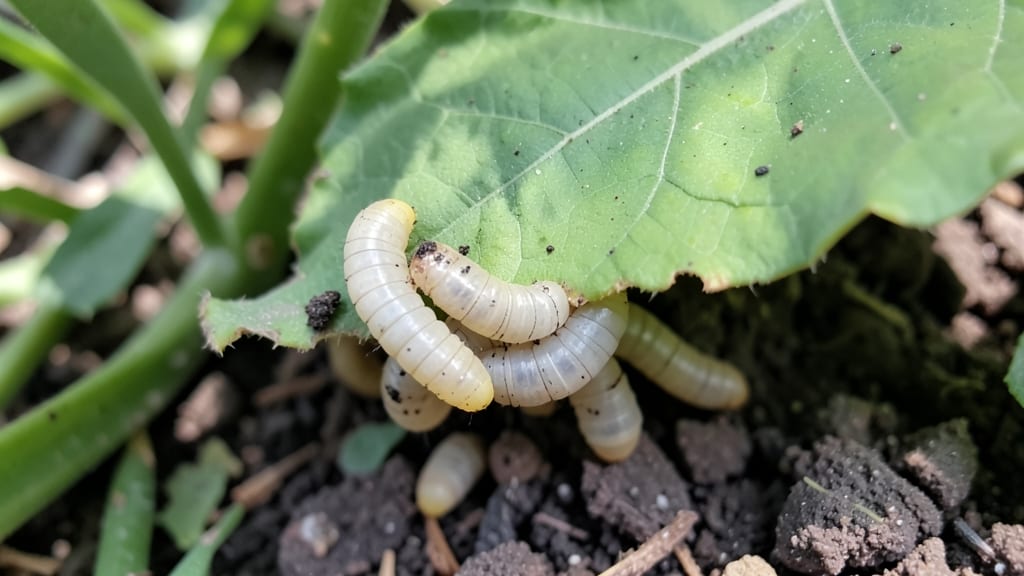
Identifying garden grubs before they turn your lawn into Swiss cheese saves you from weeks of frustration. 🌱 I’ve pulled more than my share of fat, white grubs from my roses—only to realize they were actually beneficial ground beetle larvae.
The difference between a harmless visitor and a plant-devouring menace often comes down to three details: size, shape, and where they’re digging.
Most destructive grubs—like Japanese beetle grubs or June beetle larvae—are C-shaped, fat-bodied, and ½ to 1 inch long, with a shiny, cream-white or tan shell. They chew roots in neat, even rows, leaving yellowing grass or wilting plants that pull up easily.
Beneficial grubs, meanwhile, tend to be longer, thinner, and often have distinct markings—like the striped larvae of soldier beetles, which hunt pests instead of eating them.
Timing matters just as much as looks. Grubs are most active in late summer and fall, when they’re feeding on roots before pupating. That’s when you’ll see moles or skunks tearing up your yard—nature’s way of telling you it’s time to check the soil.
A quick soil probe test (stick a trowel in and wiggle it) reveals their presence faster than any spray.
Once you know what you’re dealing with, control becomes straightforward: milky spore for Japanese beetle grubs, neem oil for cutworms, or simply encouraging birds (who love to snack on grubs). The key is acting before the damage spreads—because by then, your plants might already be fighting for their lives.
Root Causes Of Grub Infestations
Garden grubs—those squirming, soil-dwelling larvae—don’t just appear out of nowhere. Their presence is usually the result of a mix of environmental conditions, plant health, and even human activity.
Understanding these root causes can help you take proactive steps to prevent future outbreaks. Here’s why your garden might be hosting an unwelcome grub buffet.
🌱 Overwatered or Poorly Drained Soil
Grubs thrive in moist, oxygen-rich environments. When your garden soil stays soggy—whether from overwatering, poor drainage, or heavy clay—you’re essentially creating a five-star resort for these pests. Scientific reasoning: Excess moisture slows microbial activity, reducing natural predators like nematodes and fungi that would otherwise keep grub populations in check.
Additionally, waterlogged soil weakens plant roots, making them easier targets for feeding larvae.
Actionable insight: Test your soil’s drainage by digging a hole, filling it with water, and timing how long it takes to drain. If it takes more than 6 hours, amend the soil with compost or sand to improve aeration.
🍃 Weak or Stressed Plants
Healthy plants are resilient, but stressed ones—whether from drought, nutrient deficiencies, or disease—emit chemical signals that attract grub-loving insects (like Japanese beetles or June bugs) to lay eggs nearby. Why it happens: Stressed plants produce higher levels of sugars and amino acids in their roots, which act as a beacon for egg-laying females.
Once hatched, the grubs feast on the weakened roots, creating a vicious cycle.
Actionable insight: Conduct a soil test to check pH and nutrient levels. Amend with balanced fertilizer (like a 10-10-10 NPK blend) and mulch to retain moisture and reduce stress. Avoid over-fertilizing with nitrogen, which can attract more pests.
🐛 Lack of Natural Predators
Grubs aren’t the only creatures digging in your soil. Many beneficial insects, birds, and microorganisms act as their natural enemies—but human activities often disrupt these ecosystems. Key disruptors:
- Pesticide use: Broad-spectrum chemicals kill both pests and their predators (like ground beetles, toads, and parasitic wasps).
- Monoculture gardening: Planting the same crops year after year reduces biodiversity, leaving fewer food sources for predator species.
- Urbanization: Lawns and sealed surfaces limit habitats for birds and mammals that prey on grubs (e.g., skunks, moles, and robins).
Actionable insight: Introduce predator-friendly plants like dill, fennel, or yarrow to attract beneficial insects. Avoid synthetic pesticides; opt for targeted solutions like neem oil or milky spore bacteria (Bacillus popilliae) to preserve the food chain.
🌦️ Seasonal and Climatic Factors
Grubs have specific life cycles tied to temperature and humidity. For example:
- Warm, humid summers: Ideal for adult beetles to emerge, mate, and lay eggs in late summer/early fall. Eggs hatch into grubs in spring when soil warms.
- Mild winters: Some grub species (like European chafer larvae) survive freezing temperatures, while others (like Japanese beetle grubs) require cooler winters to break dormancy.
- Drought followed by rain: Dry spells stress plants, and sudden moisture triggers egg-laying behavior in beetles.
Actionable insight: Monitor local weather patterns. If your area experiences unseasonably warm winters, grubs may hatch earlier—stay vigilant in early spring. Use row covers to protect plants during peak beetle flight seasons (typically June–August).
🏡 Human Habits That Invite Grubs
Sometimes, gardeners inadvertently create grub-friendly conditions. Common mistakes include:
- Over-tilling soil: Disrupts the natural soil structure and exposes grub pupae to predators and makes it easier for adults to burrow in.
- Planting grub magnets: Grubs favor certain plants like grapes, raspberries, and young trees. If these are near lawns (where beetles lay eggs), infestations spread quickly.
- Ignoring lawn grubs: Turfgrasses are prime targets for beetle larvae. If your lawn has brown patches or spongy spots, grubs are likely the culprit—and they’ll migrate to nearby garden beds.
Actionable insight: Rotate crops annually and avoid planting susceptible species in the same spot. If you have a lawn, apply grub-specific treatments in early summer before eggs hatch. For garden beds, use physical barriers like copper tape around tree trunks to deter adult beetles.
Quick Fixes for Garden Grub Woes
Once you’ve identified the culprits lurking in your soil—whether they’re cutworms, Japanese beetle grubs, or root maggots—it’s time to take action. The good news? Most garden grub problems can be tackled with a mix of natural remedies, cultural fixes, and targeted treatments.
Below, we’ll break down the best solutions based on the most common causes, plus tips to keep your plants safe long-term.
🔥 Overwatered soil or poor drainage? Fix it fast
Problem: Excess moisture attracts root maggots, fungus gnats, and wireworms, which thrive in soggy conditions.
How to Fix It: 🔹 🌱 Improve Drainage First
- Amend heavy clay soil with compost, perlite, or coarse sand to loosen it.
- Raise garden beds slightly if water pools after rain.
- Pro Tip: 💡 Test drainage by digging a 6-inch hole, filling it with water, and timing how long it takes to drain. If it’s slower than 4 hours, your soil needs help.
🔹 🚰 Adjust Watering Habits
- Water deeply but infrequently (1–2 times per week) to encourage strong root growth.
- Water in the early morning so soil dries faster.
- Avoid overhead sprinklers, which can drown roots and attract pests.
🔹 🌿 Use Beneficial Nematodes
- These microscopic predators seek out and kill grubs in the soil. Apply them to moist soil in the early evening for best results.
🍳 Japanese Beetle Grubs? Starve Them Out
Problem: White, C-shaped grubs munching on roots, especially in lawns and vegetable gardens.
How to Fix It: 🔹 🌾 Treat Lawns with Milky Spore
- A natural bacteria (Bacillus popilliae) that infects and kills grubs over time. Best applied in early fall or spring when grubs are active.
- Warning: ⏰ Takes 1–3 years to fully establish—plan ahead!
🔹 🔪 Hand-Pick or Dig Them Out
- After rain (when grubs are near the surface), rake up lawns and dispose of grubs in soapy water.
- For garden beds, gently sift through soil with a trowel and relocate grubs to a bucket of soapy water.
🔹 🍎 Use Neem Oil or Kaolin Clay
- Neem oil disrupts grubs’ feeding and growth. Mix 1 tbsp per gallon of water and spray on soil.
- Kaolin clay (like Surround WP) creates a protective barrier that repels adult beetles before they lay eggs.
👨🍳 Cutworms Chewing Stems? Trap & Trap Again
Problem: Green or brown loopers slicing through young plants at night.
How to Fix It: 🔹 🌙 Set Up Collar Barriers
- Wrap the base of susceptible plants (tomatoes, beans, peppers) with cardboard, aluminum foil, or plastic collars (buried 1–2 inches deep). Cutworms can’t climb smooth surfaces!
🔹 🍎 Use the "Drowned Cutworm" Trick
- After dark, gently lift plants and look for cutworms coiled around stems. Drop them into a bucket of soapy water.
- Pro Tip: 🌡️ Do this after rain or watering—grubs are sluggish and easier to spot.
🔹 🌿 Plant Repellent Companions
- Marigolds, garlic, and thyme deter cutworms. Interplant them near vulnerable crops.
- Diatomaceous earth (food-grade) can be lightly dusted around plants—it dehydrates cutworms on contact.
🥘 Root Maggots in Veggies? Act Now
Problem: Small, legless maggots tunneling into carrot, onion, and beet roots.
How to Fix It: 🔹 🥕 Rotate Crops & Use Row Covers
- Avoid planting brassicas (cabbage family) or root veggies in the same spot yearly.
- Floating row covers (lightweight fabric) block adult flies from laying eggs.
🔹 🔥 Solarize the Soil (For Severe Cases)
- Cover bare soil with clear plastic for 4–6 weeks in hot sun. The trapped heat kills maggots and eggs.
- Best for: 🌡️ Dry, sunny climates (works poorly in cool or cloudy areas).
🔹 🧴 Apply Beneficial Microbes
- Bacillus thuringiensis var. israelensis (Bti) is a natural bacteria that targets maggots. Mix with water and spray on soil.
✨ Prevention Tips to Keep Grubs Away
Once you’ve tackled the infestation, stop future problems with these habits: 🔹 🌱 Choose Resistant Plant Varieties
- Some plants (like ‘Danvers’ carrots or ‘Red Acre’ onions) are less appealing to maggots.
🔹 🍂 Clean Up Debris
- Remove old plant debris, mulch, and weeds where grubs hide over winter.
🔹 🐛 Encourage Natural Predators
- Birds, toads, and ground beetles eat grubs. Install a birdbath or toad house to attract them.
🔹 🌿 Test Soil Health
- Balanced soil (pH 6.0–7.0) is less hospitable to grubs. Add compost and organic matter yearly.
Final Thought: Most garden grubs can be managed without chemicals—it just takes patience and consistency. Start with one or two methods, monitor progress, and adjust as needed. Your plants (and your sanity) will thank you! 🌱💚
Frequently asked questions
How can I tell if my garden has grubs without digging up the soil?
Look for telltale signs like wilting plants with roots that pull up easily, irregular patches of dead grass, or skunks/moles digging in your lawn. These creatures often uncover grubs while foraging. Another clue is finding adult beetles around your garden in late summer—this means their larvae (grubs) are likely nearby.
Are all grubs harmful to my plants?
Not all grubs are plant pests! Some, like ground beetle larvae, are beneficial predators that eat other garden pests. Harmful grubs—such as Japanese beetle grubs or cutworms—are usually C-shaped, fat, and white. Focus on identifying the size, shape, and damage pattern to determine if they’re a threat.
When is the best time to check for grubs?
The ideal time to inspect for grubs is after rainfall or watering, when they move closer to the soil surface. Late summer and early fall are peak activity periods for most destructive grub species, as they feed before pupating. Early morning is also a good time to spot them, as they’re sluggish in cooler temperatures.
What’s the easiest way to remove grubs from my garden?
For small infestations, hand-picking grubs after rain works well—just place them in soapy water. For larger problems, beneficial nematodes or milky spore bacteria are effective natural solutions. Avoid chemical pesticides early on, as they can harm beneficial soil organisms too.
Can grubs survive winter in my garden?
Many grub species, like European chafer larvae, can survive freezing temperatures in their pupal stage. However, Japanese beetle grubs require cooler winters to complete their life cycle. To prevent overwintering grubs, apply milky spore in early fall or use physical barriers around vulnerable plants.