
Pests
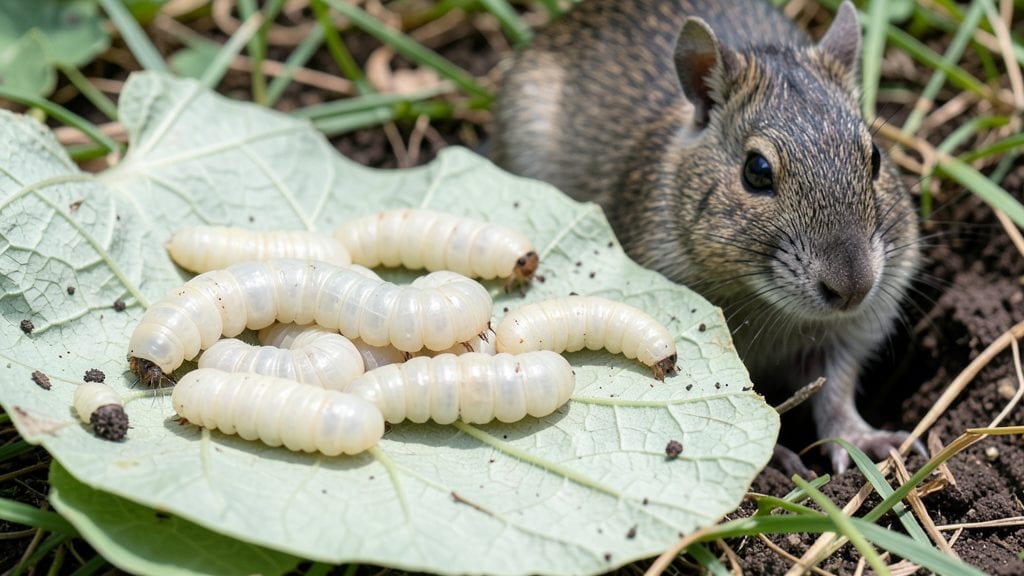
White garden grubs are the sneaky culprits behind chewed lawns and struggling plants, but knowing their life cycle gives you the upper hand. 🌱 I’ve pulled up enough turf to know these C-shaped larvae aren’t just a nuisance—they’re a full-blown garden crisis if you don’t act fast.
The problem starts when adult beetles lay eggs in summer, and within weeks, those eggs hatch into grubs that feast on roots until next spring.
The damage isn’t inevitable. I’ve used simple organic methods like milky spore bacteria and nematodes to wipe out grubs without harming my yard. You’ll need a soil probe to check for them first—if you see white, plump grubs when you dig, it’s time to strike.
The key is timing: treat in early fall or late spring when grubs are most active but before they cause irreversible damage.
By next summer, your lawn could be thick and green again, not a patchwork of brown spots. The grubs will be gone, the soil will recover, and you’ll have a system to keep them from coming back.
It’s not magic—just knowing when to act and what tools to use. Let’s get your garden back in fighting shape.
This works for both lawns and garden beds, and the methods are safe for kids and pets once applied correctly. The secret is consistency—one treatment won’t do it, but a plan will. Here’s how to make it happen without chemicals or guesswork.
The Hidden Triggers Behind Grubs
If your lawn or garden is suddenly riddled with white, C-shaped larvae (aka grubs), the blame often lies with a mix of environmental conditions, plant choices, and even human activity. These pests—typically the larvae of beetles like the Japanese beetle or European chafer—don’t just appear out of nowhere.
Understanding the why behind their infestations is the first step to stopping them before they devour your roots. Let’s break down the key factors that turn your green space into a grub buffet.
Grubs thrive in soil that’s too moist or poorly aerated. Here’s why:
- Excess moisture: Grubs need oxygen, but soggy soil forces them to burrow deeper, where they’re safer from predators (like birds or beetles) and more protected from drying out. Overwatering—especially in clay-heavy soils—creates the perfect damp hideout. Fun fact: A single grub can survive for weeks in waterlogged conditions.
- Compacted turf: Heavy foot traffic, machinery, or even rain can compress soil, reducing airflow. Grubs love this because it mimics their natural underground environment. Compacted soil also makes it harder for beneficial nematodes (natural predators) to move through the roots.
- Thatch buildup: A thick thatch layer (dead grass and debris) traps moisture and blocks sunlight, creating a microclimate that grubs adore. If your lawn has a spongy, dark green layer on top, it’s a red flag.
Actionable fix: Test your soil’s drainage (dig a 6-inch hole—if water pools, you’ve got an issue). Aerate compacted areas in fall or spring, and mow high (3–4 inches) to reduce thatch.
Grubs are opportunistic feeders—they target plants that are already struggling. Here’s what makes your garden a grub magnet:
- Nutrient-deficient soil: Plants starving for nitrogen or phosphorus are easier to digest for grubs. A quick soil test can reveal deficiencies, but even healthy-looking grass can be a snack if it’s under stress.
- Drought or heat stress: When roots are damaged by dry conditions, they release sugars that attract grubs. Pro tip: Grubs are often worse in late summer to early fall because stressed plants are at their weakest.
- Newly seeded lawns: Freshly planted grass is like an all-you-can-eat buffet for grubs. The tender roots are irresistible, and the larvae can decimate an entire lawn in weeks.
- Weak immune systems: Plants treated heavily with synthetic pesticides (which kill beneficial insects) lose their natural defenses against grubs. It’s like inviting a burglar into a house with no security system.
Actionable fix: Fertilize with a balanced, organic blend (like compost or worm castings) to boost plant resilience. Avoid over-seeding in grub-prone areas until you’ve treated the soil.
The grubs you’re seeing today are the offspring of beetles that laid eggs in your yard last spring or summer. Here’s how their parents turn your garden into a nursery:
- Japanese beetles: These metallic-green invaders lay eggs in turfgrass in June–July. A single female can deposit up to 60 eggs in the soil, which hatch into grubs by August.
- European chafer beetles: Their eggs are laid in late summer to early fall, and the grubs overwinter before feasting on roots the following spring. They’re especially fond of bluegrass and ryegrass.
- No natural predators nearby: If your yard lacks birds, toads, or beneficial insects (like ground beetles), the beetle population can spiral unchecked. Grubs are a delicacy for these creatures, but they won’t stick around if their food source is scarce.
- Warm, sheltered microclimates: Beetles prefer to lay eggs in sunny, well-drained spots with soft soil (like newly tilled gardens or mulch beds). Shady, dry areas are less appealing.
Actionable fix: Handpick adult beetles in the morning (they’re sluggish then) and drop them in soapy water. Plant grub-repelling flowers like marigolds or catnip to deter egg-laying.
Grubs don’t just appear—they’re seasonal hitchhikers influenced by weather patterns. Here’s how:
- Mild winters: Grubs survive better in warmer-than-average winters because they don’t freeze. In colder climates, harsh winters can reduce grub populations naturally.
- Wet springs: Excess rain in early summer creates ideal egg-laying conditions for beetles. The soil stays moist long enough for eggs to hatch successfully.
- Drought followed by rain: A dry spell weakens grass, making it more vulnerable. When rain returns, grubs get a double boost—more food (stressed roots) and perfect moisture levels.
- Urban heat islands: Cities with higher temperatures and impermeable surfaces (like concrete) can create microclimates that accelerate grub development.
Actionable fix: Monitor local weather forecasts. If your area predicts a warmer-than-usual fall, treat for grubs proactively in early September.
Key takeaway: Grubs don’t choose your garden randomly—they’re drawn by a mix of moisture, weak plants, beetle activity, and seasonal conditions. The good news? By addressing these triggers, you can make your lawn less inviting and more resilient. 🚫🐜
Quick Fixes for Hidden Garden Menaces
If your lawn or garden is under siege by creamy-white grubs munching through roots, don’t panic—there are practical, organic, and chemical-free ways to reclaim your green space. The key is acting fast, targeting the root of the problem (literally), and preventing a repeat performance.
Below, we’ve mapped out solutions based on the most common causes, from soil health to pest behavior, so you can choose what works best for your garden’s needs.
When soil stays soggy or gets packed down, grubs thrive like uninvited guests at a buffet. Here’s how to kick them out:
👨🍳 Step 1: Test Your Soil’s Moisture
- Dig a small hole (3–4 inches deep) and check if the soil feels damp or clumpy. If it’s too wet, grubs are likely feasting on softened roots.
- Pro tip: 🌡️ Use a soil moisture meter or the "squeeze test"—if water drips out, it’s overwatered.
🔪 Step 2: Aerate Like a Pro
- Rent a core aerator or use a manual garden fork to poke holes every 3–4 inches across affected areas. This disrupts grubs’ underground tunnels and improves drainage.
- Bonus: Top with ½ inch of compost to encourage beneficial microbes that outcompete grubs.
⏰ Step 3: Let It Dry Out
- Reduce watering temporarily (unless in drought conditions) to create an inhospitable environment. Grubs prefer moisture—starve them out!
Grubs are a smorgasbord for beneficial insects, birds, and microbes. If your garden lacks these natural predators, invite them back with these tricks:
🐦 Step 1: Create a Predator-Friendly Zone
- For birds: Scatter shallow dishes of water or install a birdbath near grub hotspots. Robins, starlings, and grackles love munching on grubs.
- For beetles: Plant neem trees, dill, or marigolds—their roots attract ground beetles, which devour grubs.
🌱 Step 2: Feed the Soil Food Web
- Sprinkle beneficial nematodes (Heterorhabditis bacteriophora) into moist soil. These microscopic worms seek out and kill grubs naturally.
- How to apply: Mix 1–2 million nematodes per 1,000 sq. ft. with water and apply in the evening (they die in sunlight).
💡 Pro Tip: 🎯 Time it right! Apply nematodes when soil temps are between 50–85°F and keep the area moist for 5–7 days post-application.
If grubs are already causing visible damage (yellowing patches, easy-to-pull grass), manual removal and traps can buy you time while you implement long-term fixes.
🔍 Step 1: Identify Hotspots
- Roll back a small section of sod. If you see white, C-shaped larvae (½–1 inch long), you’ve found a grub colony. Mark the area for treatment.
🍎 Step 2: Handpick or Use a Trap
- Option A (Manual): Dig up infested patches, shake grubs into a bucket of soapy water (they’ll drown instantly).
- Option B (Trap Crops): Plant radishes or lettuce near grub-prone areas. Grubs will tunnel toward these shallow roots—dig them up and dispose of them.
⚠️ Warning:
Avoid tilling heavily infested soil—this can spread grubs deeper or to new areas.
The best offense is a strong defense. Once you’ve evicted the grubs, lock them out for good with these habits:
📊 Soil Health Checklist
- Test your soil annually (pH 6.0–7.0 is ideal for most plants).
- Avoid over-fertilizing with nitrogen—grubs love lush, tender roots.
- Rotate crops if you have a veggie garden to disrupt grub life cycles.
💪 Natural Repellents
- Milky spore powder (Bacillus popilliae): A bacteria that infects and kills Japanese beetle grubs (common in lawns). Apply in early spring.
- Diatomaceous earth (DE): Sprinkle food-grade DE around plants—it dehydrates grubs on contact. Reapply after rain.
🎯 Long-Term Strategy: Companion Planting
- Grub-hating plants: Basil, thyme, catnip, and garlic repel many grub species. Plant borders around high-risk areas.
- Grub magnets: If you have a sacrificial patch, plant corn or beans—grubs will target these first, sparing your prized veggies.
With these targeted fixes, you’ll send white grubs packing and restore your garden’s health—without harsh chemicals. Start with one or two methods, monitor progress, and adjust as needed. Soon, your lawn will be too tough a place for these pests to call home! 🚫🐜
Frequently asked questions
What do white garden grubs look like?
They’re creamy-white, C-shaped larvae about ½–1 inch long with brown heads and six tiny legs. When you dig up sod, look for these plump, worm-like critters hiding near roots—they’ll wriggle away if disturbed.
Are white grubs harmful to my plants?
Absolutely—they’re root-munching machines! Heavy infestations can kill grass overnight, leaving patches that pull up easily. In gardens, they target veggie roots, causing wilting or stunted growth. Act fast if you spot them!
How do I know if my lawn has grubs?
Roll back a small section of sod. If you see white grubs or the grass pulls up like a carpet, you’ve got a problem. Other signs: brown patches that don’t recover after watering, or birds digging frantically (they’re grub snack time!).
Can I use chemical pesticides for grubs?
Yes, but organic options work just as well! Try milky spore powder (for Japanese beetle grubs) or beneficial nematodes. If you prefer chemicals, imidacloprid or trichlorfon are effective—but always follow label instructions.
How long do white grubs live in my yard?
About 1 year total! They hatch in summer, feed through fall/winter, and pupate into beetles by spring. The key is treating in early fall or late spring when they’re most active but before they cause major damage.