
Tools
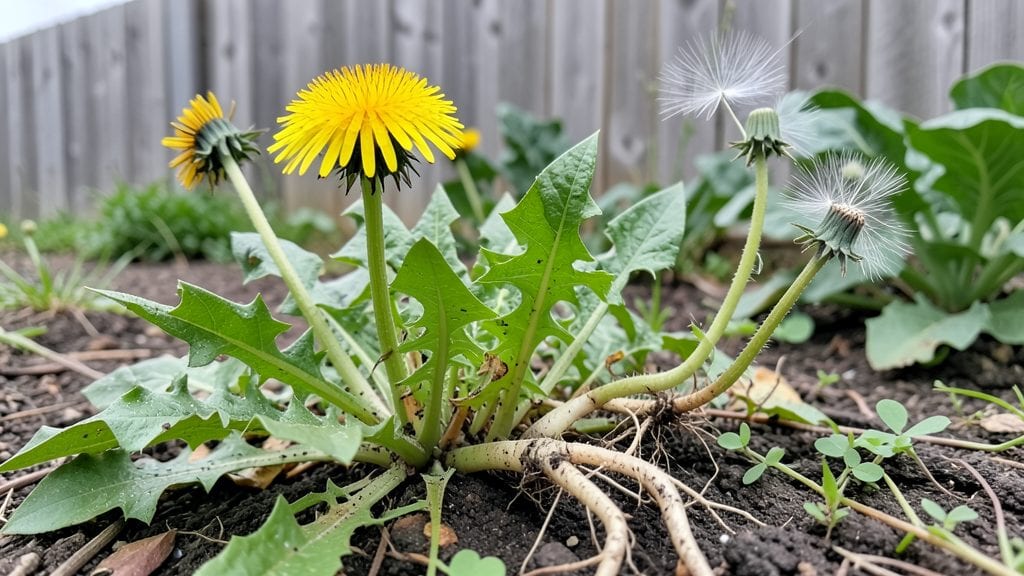
Identifying garden weeds starts with noticing the sneaky differences between them and your prized plants. 🌱 I spent years pulling random "weeds" only to realize I'd yanked out my favorite chives or a volunteer tomato plant—until I learned to spot the key traits that give weeds away.
The wrong pull can mean wasted time and stunted growth, but the right pull means cleaner soil and happier vegetables.
Most weeds have a few telltale signs: jagged leaves, rapid growth, or roots that dive deep into your garden beds. Dandelions, for example, grow in a rosette pattern, while crabgrass spreads in a flat, fan-like shape.
Knowing these patterns saves you from overwatering or fertilizing plants that don’t belong. A quick glance at leaf edges or flower structure can make the difference between a healthy garden and one choked by invaders.
Once you recognize them, removal becomes easier—especially with eco-friendly tools like a hoe or a targeted spray of vinegar for stubborn patches. The payoff? Less competition for nutrients, fewer pests hiding in weed debris, and a garden that thrives instead of struggles.
You’ll start seeing weeds as clues, not just nuisances.
This guide covers the most common backyard weeds, regional hotspots, and tools to simplify the process. Whether you’re dealing with clover in your lawn or bindweed creeping through your flowerbeds, you’ll learn to spot them before they take over. Let’s get those weeds identified—and out of your garden for good.
The Hidden Triggers Behind Weeds
Weeds don’t just appear out of nowhere—they thrive because of specific conditions in your garden. Understanding these triggers is the first step to stopping them before they take over. Let’s break down the science behind why weeds invade your yard and how they outcompete your plants.
Weeds love an open invitation, and soil disruption is their favorite way in. Every time you till, dig, or even walk on your garden, you create tiny gaps in the soil where weed seeds can germinate. Here’s why:
- Seed Exposure: Weed seeds lie dormant in the soil for years, waiting for sunlight. When you till or loosen the earth, you bring these seeds to the surface, where they germinate rapidly.
- Root Competition Reduction: Established plants (like grass or perennials) suppress weeds by shading the soil and absorbing nutrients. Disturbing the soil removes this natural barrier.
- Erosion & Compaction Relief: Compacted or eroded soil creates weak spots where weeds can anchor themselves more easily than desirable plants.
Actionable Fix: Use mulch (straw, wood chips, or leaves) to block sunlight and smother weeds before they sprout. If tilling is necessary, do it in late fall or early spring—when weed seeds are least active.
Weeds are opportunistic survivors, and excess moisture gives them a huge advantage. Here’s how water plays into their success:
- Fast Germination: Many weeds (like crabgrass or chickweed) germinate within 24–48 hours of soil moisture. Overwatering keeps the topsoil damp, creating a weed germination party.
- Shallow Root Systems: Weeds often have fibrous or shallow roots, allowing them to absorb water quickly in soggy conditions—unlike deep-rooted plants like tomatoes or roses.
- Fungal Fodder: Overly wet soil encourages soil-borne fungi that some weeds (like nutsedge) rely on for growth.
Actionable Fix:
- Water deeply but infrequently (1–1.5 inches per week) to encourage deeper plant roots that outcompete weeds.
- Improve drainage with organic matter (compost or peat moss) if your soil stays waterlogged.
- Avoid drip irrigation near sidewalks or driveways, where weeds love to take hold.
Weeds are sun-worshippers, but intense sunlight can also backfire if your garden lacks ground cover. Here’s the paradox:
- Sun-Loving Weeds: Species like dandelions, pigweed, and lambsquarters thrive in full sun because they photosynthesize aggressively, outgrowing slower plants.
- Shade-Tolerant Invaders: In low-light areas, weeds like bindweed or clover dominate because they adapt to minimal sunlight better than many ornamental plants.
- Competition Gap: When desirable plants (like hostas or ferns) struggle in extreme sun or shade, weeds fill the void.
Actionable Fix:
- For sunny spots, use dense ground covers (like creeping thyme or vinca) to block weed seeds.
- In shady areas, plant fast-spreading perennials (e.g., ajuga or foamflower) to crowd out weeds naturally.
- Prune trees/shrubs to balance sunlight—avoid creating patchy light conditions where weeds exploit weak spots.
Weeds don’t need fancy fertilizers—they thrive in nutrient-poor or overly fertile soil. Here’s how imbalances help them:
| Soil Condition | Weed Advantage | Examples |
|---|---|---|
| Low Nitrogen | Weeds like chickweed and purslane fix their own nitrogen, making them resilient in lean soil. | Common in sandy or heavily leached soils. |
| High Phosphorus | Phosphorus-loving weeds (e.g., bindweed, thistle) grow faster and produce more seeds. | Often from overuse of bone meal or synthetic fertilizers. |
| Compacted or Acidic Soil | Weeds like moss or creeping charlie dominate because they tolerate poor aeration and low pH. | Common in lawns with heavy foot traffic. |
Actionable Fix:
- Test your soil (via a local extension office or home kit) and amend with compost or lime to balance pH and nutrients.
- Avoid broadcast fertilizing—use slow-release or targeted fertilizers to prevent weed feasts.
- Plant nitrogen-fixing cover crops (like clover) in fall to improve soil without feeding weeds.
Most weeds don’t just grow—they wait in ambush. The soil bank is a seed library, and some weeds can stay dormant for decades until conditions are perfect. Here’s how:
- Seed Viability: Weeds like dandelions and foxtails can remain viable in soil for 5–10+ years, germinating when temperatures and moisture align.
- Deep Dormancy: Some seeds (e.g., Johnson grass) have hard outer shells that resist decomposition, waiting for soil disturbance.
- Seasonal Cues: Many weeds germinate in spring or fall when soil temps are ideal (typically 50–85°F).
Actionable Fix:
- Apply pre-emergent herbicides in early spring (before weed seeds germinate) to disrupt their life cycle.
- Solarize soil in summer (cover bare beds with clear plastic for 4–6 weeks) to kill dormant seeds with heat.
- Plant dense ground covers to block light and prevent seed germination.
Weeds are relentless, but by targeting these root causes (literally and figuratively), you can starve them out before they become a full-blown invasion. The key? Break their cycle—whether through smothering, timing, or soil science.
Simple Fixes for Unwanted Garden Guests
Now that you’ve spotted the culprits in your garden, it’s time to tackle them—without breaking a sweat! The key to success is a mix of prevention, manual removal, and targeted treatments tailored to the type of weed.
Below, we’ll map common causes to practical solutions, so you can reclaim your garden with confidence.
Cause: Weeds thrive where plants compete for nutrients, water, and space. Fix:
- 🔥 Pull them young – The best time to remove weeds is when they’re small (before they seed). Use a weeding tool or your fingers to grasp the base and tug gently—no yanking, which can leave roots behind!
- 👨🍳 Mulch like a pro – Apply 2–4 inches of organic mulch (straw, wood chips, or shredded leaves) to block sunlight and smother weeds. Pro tip: Keep mulch 6 inches away from tree trunks to avoid rot.
- 🌡️ Boost soil health – Weedy soil is often nutrient-poor. Add compost or aged manure to crowd out weeds naturally and give your plants a fighting chance.
Cause: Overwatering creates the perfect damp playground for weeds like crabgrass and bindweed. Fix:
- ⏰ Water wisely – Deep, infrequent watering (1–2 times per week) encourages deep root growth in plants and dries out weed seeds. Water early in the morning to reduce evaporation and fungal risks.
- 🔪 Fix leaks & runoff – Check sprinklers, hoses, and irrigation systems for leaks. Drip irrigation targets plants directly, leaving weeds high and dry.
- 🌧️ Use a soaker hose – These deliver water right to the soil, minimizing waste and reducing weed germination.
Cause: Tough weeds like dandelions, creeping Charlie, and nutsedges return year after year. Fix:
- 🔪 Dig deep & repeat – For taproot weeds (dandelions, thistles), use a dandelion digger or fork to extract the entire root. Check for broken pieces—even a sliver can regrow!
- 🍳 Vinegar spray (for non-organic gardens) – Mix 1 gallon white vinegar + 1 cup salt + 1 tbsp dish soap. Spray directly on leaves (avoid desirable plants—it’s non-selective!). Best for: Driveways, sidewalks, and stubborn patches.
- 🌡️ Solarization (for extreme cases) – Cover weedy soil with clear plastic for 4–6 weeks in hot sun. The trapped heat kills seeds and roots without chemicals.
Weeds don’t stand a chance with these proactive moves: - 💡 Plant densely – Crowd out weeds by interplanting flowers, herbs, or ground covers (like clover or creeping thyme). - 🎯 Use landscape fabric – Lay perforated fabric under mulch in high-weed areas (but avoid smothering plants). - 🌱 Hand-pull regularly – Spend 10 minutes weekly weeding.
It’s easier than a full-scale battle later! - ✨ Try corn gluten meal – A natural pre-emergent, it prevents weed seeds from sprouting. Apply in early spring (follow package rates).
Remember: The best offense is a healthy garden. By improving soil, watering smartly, and staying consistent, you’ll dramatically reduce weed problems—without harsh chemicals. Now grab your gloves and get to work! 🌿✨
Frequently asked questions
How do I tell the difference between a weed and a beneficial plant?
Look for these key traits: weeds often have jagged or serrated leaves (like dandelions) while beneficial plants usually have smoother edges. Weeds also grow in dense clusters or spread aggressively, while edible plants or flowers typically have more structured growth patterns. When unsure, check leaf arrangement—weeds often grow in random patterns, while desirable plants follow symmetrical patterns.
What are the most common weeds I’ll find in my garden?
The top offenders include dandelions (with their bright yellow flowers), crabgrass (low-growing with broad leaves), and clover (three-leaf clusters). Regional hotspots may also include bindweed (heart-shaped leaves) in warmer climates or creeping Charlie (shade-loving with square stems) in cooler areas. Always check the leaf shape and growth habit first.
Can I use vinegar to kill weeds without harming my plants?
Vinegar works best on non-selective areas like driveways or sidewalks, not near desirable plants. Mix 1 gallon white vinegar + 1 cup salt + 1 tbsp dish soap and apply directly to leaves. Avoid windy days—it can drift and damage nearby plants. For gardens, spot-treat carefully or use organic alternatives like boiling water or corn gluten meal.
Why do weeds keep coming back even after I remove them?
Weeds often return because their roots or seeds remain in the soil. Some, like dandelions, have deep taproots that regrow if even a small piece stays behind. Others, like crabgrass, produce thousands of seeds that lie dormant for years. To break the cycle, pull weeds before they seed, mulch heavily, and consider solarizing bare soil in summer to kill dormant seeds.
Are there any apps or tools to help identify weeds?
Yes! Try the PictureThis or PlantNet apps—upload a photo of the suspicious plant, and they’ll suggest matches. For hands-on tools, a weed identification field guide (like "Weeds of the Northeast") or a hand lens helps examine leaf details. Local extension offices often have free resources too.