Tools
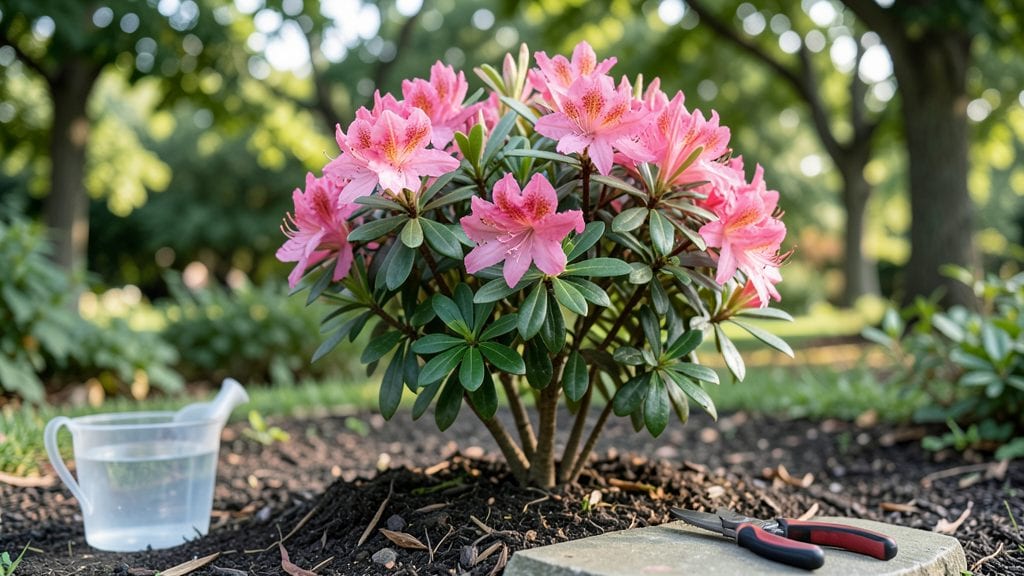
Japanese garden azaleas transform any space into a tranquil sanctuary with their velvety blooms and delicate fragrance. 🌸 I remember the first time I walked through a traditional Japanese garden—how the azaleas framed the stone paths and created pockets of soft color that shifted with the seasons.
These aren’t just plants; they’re the heart of the garden’s storytelling, blending nature’s beauty with cultural intention.
The key to their magic lies in placement and companions. In a Japanese garden, azaleas often flank moss-covered stones or arch over wooden bridges, their branches spilling like watercolor strokes. Pair them with dwarf maples for height contrast, or let them weave through bamboo groves for that signature layered look.
The color palette stays earthy—deep pinks, soft whites, and muted purples—echoing the muted tones of aged wood and weathered stone.
What makes them special is their year-round presence. Even when not in bloom, their glossy foliage adds texture, and in winter, their skeletal branches create intricate patterns against bare trees.
The fragrance, light and sweet, lingers in the air like a whispered secret. This is gardening that feels like an art installation—every element intentional, every season telling its own story.
For those inspired to bring this aesthetic home, start small: a single azalea near a bench or along a pathway. The goal isn’t perfection, but harmony—letting the plant’s natural grace shape the space around it. Traditional or modern, the effect is undeniably serene.
📚 In This Guide
- What you need
- Instructions
- Tips and common mistakes
- Wrapping up and next steps
What you need
- ● Japanese Garden Azalea Plants (Rhododendron spp.): 3–5 mature plants (dwarf varieties like Rhododendron obtusum or Rhododendron kaempferi work beautifully). Choose healthy specimens with vibrant foliage.
- ● Well-draining, acidic soil mix: 5–10 bags (50 lbs each) of a blend like peat moss + pine bark + perlite (pH 4.5–6.0). Avoid alkaline soils!
- ● Organic mulch: 2–3 cubic yards of pine needles, cedar chips, or leaf mold to retain moisture and acidity.
- ● Slow-release acid-loving plant fertilizer: 1–2 lbs (e.g., Miracle-Gro Azalea, Camellia & Rhododendron Food).
- ● Container or garden bed: For containers: 1–3 large pots (12–18" diameter) with drainage holes.
- ● For in-ground planting: A partially shaded spot with dappled sunlight (4–6 hours/day).
- ● Garden trowel or hand shovel (for transplanting).
- ● Pruning shears (sterilized with rubbing alcohol).
- ● Garden gloves (to protect from thorns and soil acidity).
- ● Watering can or hose with a gentle spray nozzle (azaleas hate soggy roots!).
- ○ pH test kit (optional but helpful for monitoring soil acidity).
- ○ Decorative stones or gravel (optional, for a traditional Japanese garden look).
- ● Location scouting: Ensure your spot mimics azalea’s natural habitat—moist, shaded, and sheltered from harsh winds.
- ● Season timing: Plant in early spring or fall (avoid summer heat or winter frosts).
- ● Patience: Azaleas thrive with consistent care—blooms may take 1–2 years to fully establish!
Step-by-Step guide to planting and caring for Japanese garden azaleas
Here's how to bring vibrant, fragrant blooms to your garden with minimal fuss.
🪴 Step 1: Choose the Perfect Planting Spot
Japanese garden azaleas thrive in partial shade, with 4-6 hours of morning sun and afternoon shade. I always look for spots near trees or structures that provide natural shade—this prevents leaf scorch while keeping blooms vibrant. The soil should be slightly acidic (pH 5.0-6.0), well-draining, and rich in organic matter.
Dig a hole twice as wide as the root ball but only as deep. This encourages roots to spread outward instead of settling too deep, which can lead to poor drainage. Gently loosen the roots if they're circling or bound, then place the plant in the hole so the top of the root ball sits 1 inch above ground level. This prevents water from pooling around the stem.
🌱 Step 2: Plant with Acidic Soil and Mulch
Mix the 2 bags of peat moss and 1 bag of pine bark fines into the planting hole to ensure proper acidity and drainage. Azaleas hate alkaline soil, so avoid garden soil or compost that raises pH. After placing the plant, backfill the hole with this mixture, pressing lightly to eliminate air pockets.
Spread the 3 cubic feet of mulch around the base, keeping it 3 inches away from the stem to prevent rot. Mulch retains moisture and keeps roots cool—critical for azaleas in hot climates. I always use pine straw or bark mulch because it slowly acidifies the soil over time, giving your azaleas a long-term boost.
💧 Step 3: Water Deeply and Establish a Routine
Water deeply right after planting to settle the soil and encourage root growth. The first 2 weeks are critical—keep the soil evenly moist but never soggy. You'll know it's right when water drains freely but the top 1 inch of soil stays damp. Overwatering is the fastest way to kill azaleas, so always check moisture before adding more.
Once established, water 2-3 times per week during dry spells, aiming for 1 gallon per plant each time. Reduce watering in winter unless temperatures drop below 20°F, when roots need extra protection from freezing. A drip irrigation system works best—it delivers water slowly at the base without wetting the foliage, which can invite fungal diseases.
☀️ Step 4: Prune and Feed for Continuous Blooms
Prune right after flowering (late spring) to shape the plant and encourage next year's blooms. Remove dead or crossing branches first, then trim back any leggy growth by ⅓ of its length. Azaleas bloom on old wood, so avoid heavy pruning in fall or winter—you'll sacrifice next year's flowers. Use clean, sharp pruners to make cuts just above a leaf node.
Feed once in early spring with the 1 pound of azalea-specific fertilizer (high in phosphorus for blooms). Scatter it evenly over the root zone and water deeply to activate it. I skip summer feeding—too much nitrogen now leads to leafy growth at the expense of flowers. In fall, add a 2-inch layer of compost to replenish nutrients for next year's growth.
⏰ Step 5: Protect and Maintain Through Seasons
In winter, cover young plants with burlap or frost cloth if temperatures drop below 15°F. Mature azaleas handle cold well, but new growth is vulnerable. I also avoid heavy pruning in late winter—wait until buds swell in early spring to see the plant's natural shape before making cuts.
Watch for lazy caterpillars or azalea lace bugs—they love these plants. Spray with neem oil at the first sign of damage, and remove any heavily infested leaves. Deadhead spent blooms monthly to redirect energy into new flowers. With consistent care, your azaleas will reward you with season-after-season color and intoxicating fragrance.
Tips & tricks for perfect Japanese garden azalea care
Between us, these little details make all the difference when growing vibrant, fragrant azaleas that bloom year after year.
Soil Acidification Secret: That 2 bags of peat moss and 1 bag of pine bark fines in Step 2 isn't just about drainage—it's your acidity insurance. Test your soil first (aim for pH 5.0-6.0). If your soil tests higher, add extra peat moss to the hole. I've seen azaleas struggle when planted in regular garden soil that's even slightly alkaline. The key is maintaining that acidic environment the roots crave, especially in the first critical growing season.
Watering Wisdom: Those first 2 weeks after planting are make-or-break. I can't stress enough how important it is to check soil moisture daily—stick your finger 1 inch deep. If it's dry, water; if it's damp, wait. Overwatering causes root rot faster than anything else. Once established, your 2-3 times per week routine works beautifully, but remember: azaleas hate soggy feet. If temperatures drop below 20°F, you're right to reduce watering—those roots need to toughen up for winter.
Pruning Precision: When you prune right after flowering in Step 4, focus on removing only dead or crossing branches first. That ⅓ trim on leggy growth is perfect, but don't be tempted to shape aggressively. Azaleas bloom on old wood, so heavy cuts now mean fewer flowers next spring. I always make my cuts just above a leaf node—this encourages new growth in exactly the right spot. And here's what nobody tells you: save those pruned branches! Soak them in water for 24 hours, then plant them to propagate new azaleas.
Winter Protection: That 15°F threshold in Step 5 is crucial. Young plants need that burlap or frost cloth protection, but mature azaleas can handle colder temps. The trick is watching for new growth—if you see tender shoots appearing in late winter, cover them immediately. I also avoid heavy pruning in late winter because those buds have already set for next year's flowers. Think of winter as your azalea's hibernation period—minimal disturbance means maximum blooms in spring.
Pro Tips for Japanese Garden Azalea
- Between us, these little details make all the difference when growing vibrant, fragrant azaleas that bloom year after year.
- Soil Acidification Secret: That 2 bags of peat moss and 1 bag of pine bark fines in Step 2 isn't just about drainage—it's your acidity insurance.
- Watering Wisdom: Those first 2 weeks after planting are make-or-break.
Frequently asked questions
Got questions about keeping your Japanese garden azalea thriving? You’re not alone! Here are some of the most common queries—plus quick, practical answers to help you avoid stress and enjoy those stunning blooms year-round.
When is the best time to plant Japanese garden azaleas?
Plant them in early spring or fall when temperatures are mild (50–70°F). Avoid extreme heat or frost—azaleas hate soggy roots in winter or scorching sun in summer. If you’re in a warm climate, fall planting gives roots time to establish before summer heat hits. Pro tip: Water deeply after planting to reduce transplant shock!
How often should I water my Japanese garden azalea?
Keep soil consistently moist but not waterlogged. Water 2–3 times per week in dry spells, but adjust for rain—azaleas hate soggy roots. Mulch (2–3 inches of pine bark or wood chips) helps retain moisture and mimics their natural forest-floor habitat. Yellowing leaves? You’re probably overwatering!
Can I grow Japanese garden azaleas in containers?
Just use a large container (at least 18 inches wide) with well-draining soil (acidic, like peat or pine bark mix). Containers dry out faster, so water daily in summer. Move pots to partial shade if your climate gets scorching—azaleas prefer morning sun + afternoon shade. Drainage holes are a must!
Why aren’t my azaleas blooming? Troubleshooting tips!
Common culprits:
- Too much shade: Needs 4–6 hours of sunlight daily.
- Wrong soil pH: Test soil—azaleas thrive in acidic (pH 4.5–6.0) conditions. Amend with sulfur if needed.
- Over-fertilizing: Use low-phosphorus, high-nitrogen fertilizer in early spring (skip fall feeding).
- Stress: Sudden temperature swings or drought can delay blooms.
Do Japanese garden azaleas need winter care?
In cold climates (Zone 6 and below), protect plants with 3–4 inches of mulch and a burlap wrap if temps drop below 10°F. Evergreen varieties handle frost better than deciduous types. Avoid heavy snow buildup—gently brush it off to prevent branch breakage!
Wrapping up and next steps
Transforming your space into a serene Japanese garden azalea haven is easier than you think!
These stunning, fragrant blooms bring year-round beauty and tranquility—perfect for any outdoor or indoor oasis. 🌸 Whether you’re a seasoned gardener or just starting, the key is patience and care, and the rewards are unmatched.
Ready to take the next step? Start small—plant a single azalea or sketch your dream garden layout. Explore local nurseries or online resources for varieties that thrive in your climate. Your peaceful retreat awaits!