
Tools
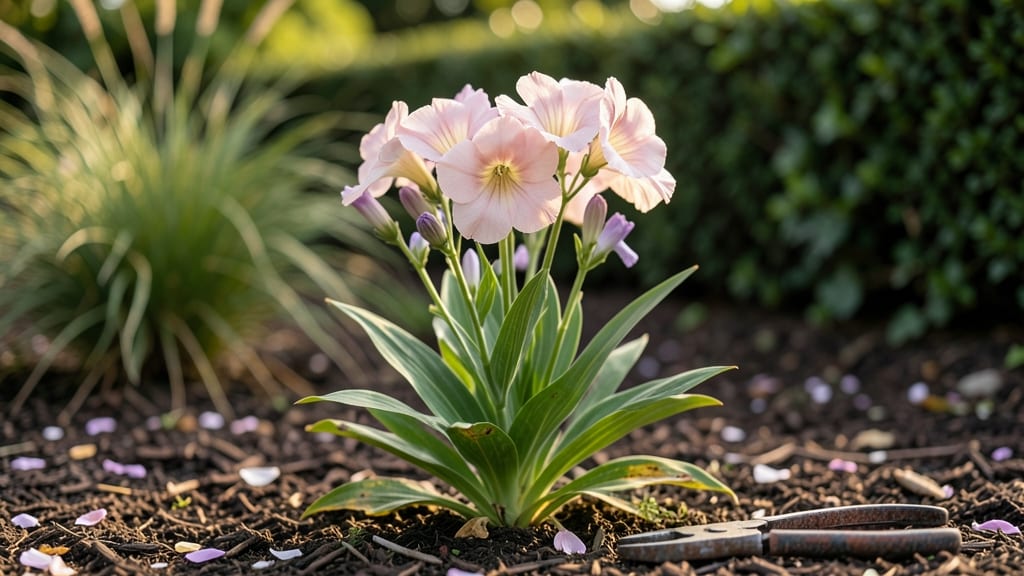
Lisianthus in garden landscapes turns ordinary borders into showstoppers with blooms that look like they belong in a floral masterpiece. 🌸 I remember the first time I planted them—they transformed a dull corner into a romantic, almost painterly display that neighbors kept asking about.
These flowers aren’t just pretty; they’re the unsung heroes of late-summer gardens, offering a softness that peonies can’t match.
The real magic happens when you pair them right. Try them with salvia for height contrast or coreopsis for a wildflower meadow vibe. Their velvety petals in blush, pink, and deep purple work beautifully in cottage gardens or along walkways where you want to stop and admire.
And here’s the best part: they bloom for weeks, giving you that "wow" factor when other flowers have faded.
You’ll love how lisianthus plays well with others—plant them near roses to extend the blooming season or mix them with black-eyed Susans for a sunlit, cheerful border. The secret to their drama is deadheading spent blooms and keeping the soil consistently moist.
Within a season, you’ll have a garden that feels like a curated art piece, not just a collection of plants.
Perfect for wedding-themed gardens, romantic cottage retreats, or modern floral borders. Once you see how they elevate your space, you’ll wonder why you didn’t try them sooner.
📚 In This Guide
- What you need
- Instructions
- Tips and common mistakes
- Wrapping up and next steps
What you need
- ● Lisianthus plants: 3–5 healthy nursery-grown lisianthus (Eustoma grandiflorum) plants, preferably in pink, purple, or white varieties (check hardiness zone compatibility).
- ● Well-draining potting mix: 10–15 gallons of light, airy soil (e.g., 60% peat moss, 30% perlite, 10% compost). Avoid heavy clay!
- ● Containers or garden bed: Containers: 5–7 gallon pots with drainage holes (1 per plant).
- ● Garden beds: Full sun (6+ hours/day) or partial shade (morning sun, afternoon shade) with loose, fertile soil.
- ● Slow-release fertilizer: 1 lb of balanced 10-10-10 or rose-specific fertilizer per 10 sq ft of bed.
- ● Mulch: 2–3 inches of straw or pine bark to retain moisture and suppress weeds.
- ● Watering can or hose: With a gentle spray nozzle (lisianthus hates soggy roots!).
- ● Garden trowel or shovel (for transplanting).
- ● Pruning shears (sterilized with rubbing alcohol).
- ● Support stakes or cages (6–12 inch tall, for taller varieties like ‘Purple Kiss’).
- ● pH test kit (ideal soil pH: 6.0–7.0).
- ○ Drip irrigation system (optional but game-changing for consistent moisture).
- ● Companion plants: Try salvia, cosmos, or snapdragons for a pollinator-friendly display!
Step-by-Step instructions for planting lisianthus in your garden
Here's the straightforward approach I use to grow lush lisianthus with bold blooms every season.
🌱 Step 1: Choose the Perfect Planting Location
Lisianthus thrives in full sun to partial shade—at least 6 hours of direct sunlight daily. I always pick a spot with morning sun and afternoon shade in hotter climates, as the blooms can scorch in intense afternoon heat. The soil should drain well but retain moisture, so avoid low-lying areas where water pools.
Test your soil by squeezing a handful—if it forms a tight ball, amend with 2-3 inches of compost to improve drainage. Lisianthus roots spread moderately, so space plants 18-24 inches apart for proper air circulation. This prevents fungal diseases that love crowded, damp conditions.
🪴 Step 2: Prepare the Soil for Healthy Growth
Dig a hole twice as wide as the root ball but only as deep. This encourages roots to spread horizontally rather than sitting too deep, which can cause rot. Gently loosen the roots if they're circling in the container before placing the plant in the hole.
Mix the removed soil with 1 cup of balanced 10-10-10 fertilizer per plant to give them a nutrient boost at planting time. Fill the hole halfway, then water deeply to settle the soil. Finish by mounding extra soil around the base to create a slight well—this helps direct water straight to the roots where it's needed most.
☀️ Step 3: Plant and Water for Immediate Establishment
Place the lisianthus in the hole, ensuring the top of the root ball sits just below soil level. Press the surrounding soil firmly but gently—you want it compacted enough to stay in place but not so tight that roots can't push through. Water immediately after planting to eliminate air pockets and help roots make contact with the soil.
Keep the soil consistently moist for the first 2-3 weeks—enough to keep the top 1-2 inches damp but not soggy. You'll know you're doing it right when water runs through the soil and out the drainage holes within 10-15 minutes. Mulch with 2-3 inches of organic mulch around the base to retain moisture and suppress weeds.
✂️ Step 4: Maintain for Continuous Blooms
Lisianthus rewards consistent care with long-lasting blooms. Deadhead spent flowers by pinching them off at the base to encourage more blooms. I do this every 3-5 days during peak bloom season, which keeps the plant focused on producing new flowers instead of setting seed.
Fertilize lightly every 4-6 weeks during the growing season with a low-nitrogen, high-phosphorus fertilizer (like 5-10-10) to promote flowering. Water deeply 1-2 times per week, adjusting based on rainfall—lisianthus roots run deep, so they appreciate a good soaking rather than frequent shallow watering.
🌿 Step 5: Prepare for Winter and Next Season
In colder climates, lisianthus is typically grown as an annual, but in milder zones, it can overwinter. If you're in a Zone 8 or warmer, cut back the foliage by half in late fall and mulch heavily to protect the roots. In colder zones, simply let the plant die back naturally and treat it as a spring replant.
Come spring, remove old mulch and add fresh 1-2 inches of compost to replenish nutrients. Prune back any dead or damaged stems to encourage new growth. Lisianthus is surprisingly resilient—even if you forget to deadhead or fertilize, it often rebounds beautifully the next season.
Tips & tricks for perfect lisianthus blooms
Here's what I've learned after growing lisianthus for years—these simple adjustments make all the difference between average flowers and showstopping blooms.
Lighting Strategy: In Step 1, when choosing your location, pay special attention to that 6-hour sunlight requirement. I've found that lisianthus blooms are most vibrant when they receive morning sun (6 AM to noon) and afternoon shade (after 2 PM). The afternoon heat can cause the petals to bleach out or develop brown edges. If you're in a hot climate, consider planting near a building or large shrub that provides natural shade during peak afternoon hours.
Soil Prep Secret: For Step 2, don't just dig a hole—think about the soil's texture. The goal is to create a well-draining yet moisture-retentive environment. I mix the removed soil with compost in a 2:1 ratio (two parts existing soil to one part compost) before adding the 1 cup of fertilizer. This creates a perfect balance that prevents both waterlogging and drought stress. The compost also adds beneficial microbes that help roots establish faster.
Watering Wisdom: During the critical 2-3 week establishment period in Step 3, I've learned that timing matters more than you'd think. Water in the morning so the foliage has all day to dry, which prevents fungal issues. And that 10-15 minute drainage test? It's not just about avoiding soggy soil—it's also your signal to stop watering. When water runs out cleanly, you've reached the perfect moisture balance. Overwatering is the #1 reason lisianthus plants fail to thrive.
Ongoing Care Hack: For Step 4's deadheading routine, I've found that using clean, sharp scissors or your fingers works better than shears. Pinch off the flowers just above a set of leaves or a leaf node. This encourages branching and more blooms. And here's a pro move: save those spent blooms in a paper bag in a cool, dark place for 24 hours—they'll dry beautifully for winter arrangements!
Pro Tips for Lisianthus In Garden
- Here's what I've learned after growing lisianthus for years—these simple adjustments make all the difference between average flowers and showstopping blooms.
- Lighting Strategy: In Step 1, when choosing your location, pay special attention to that 6-hour sunlight requirement.
- Soil Prep Secret: For Step 2, don't just dig a hole—think about the soil's texture.
Frequently asked questions
Got questions about growing lisianthus in your garden? You’re not alone! Here are answers to the most common queries to help you cultivate these stunning blooms with confidence.
When is the best time to plant lisianthus?
Plant lisianthus in early spring (after the last frost) or late summer for a fall display. Start seeds indoors 8–10 weeks before the last frost for earlier blooms. If using transplants, ensure soil temperatures are at least 60°F (15°C) to avoid stunted growth.
How often should I water lisianthus?
Keep soil consistently moist but not waterlogged, especially during flowering. Water deeply 2–3 times per week in dry spells, aiming for the base of the plant to prevent fungal issues. Mulch around the base to retain moisture and reduce evaporation.
What pests or diseases commonly affect lisianthus?
Watch for aphids, spider mites, and whiteflies, which suck plant sap. Treat with neem oil or insecticidal soap if infested. Powdery mildew can appear in humid conditions—improve airflow and avoid overhead watering. Root rot is a risk in soggy soil; ensure well-draining soil.
Can lisianthus grow in containers, or is it better in the ground?
Yes! Lisianthus thrives in containers 12+ inches deep with drainage holes. Use a light, well-draining potting mix and fertilize regularly. Place pots in full sun to partial shade and water more frequently than in-ground plants to prevent drying out.
How long do lisianthus flowers last, and how do I extend their bloom time?
Individual blooms last 7–10 days, but plants produce continuous flowers for 6–8 weeks with proper care. Deadhead spent blooms regularly, fertilize lightly every 3–4 weeks, and ensure full sun to encourage prolonged flowering.
Wrapping up and next steps
Incorporating lisianthus into your garden is a game-changer—its velvety blooms and effortless elegance make it a standout star! Whether you’re drawn to their peony-like drama or their long-lasting beauty, these flowers prove that stunning results don’t require complicated care.
With the right soil, sunlight, and a little patience, you’ll enjoy a garden that turns heads season after season.
Ready to take the next step? Start small—plant a few lisianthus in a sunny spot this spring, and let their magic unfold. Before you know it, you’ll be the neighbor everyone admires for their show-stopping blooms! 🌸✨