
Tools
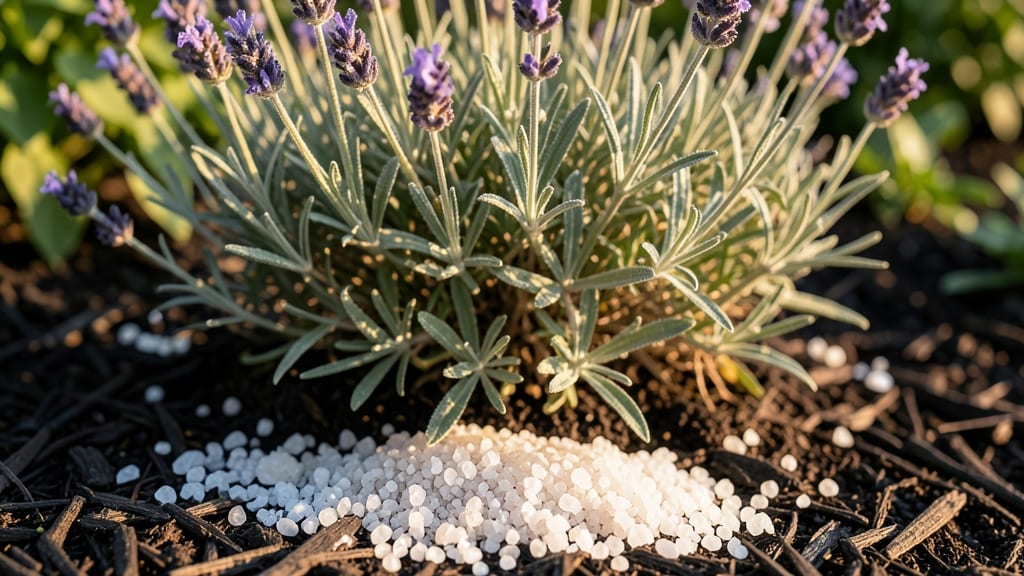
Magnesium for gardens replenishes soil magnesium to prevent yellowing leaves and stunted growth in plants like tomatoes and peppers. Apply Epsom salt (magnesium sulfate) or organic amendments like dolomitic lime for best results.
Magnesium is the central atom in chlorophyll, so when your plants show yellowing between leaf veins (a classic deficiency symptom), they're essentially struggling to photosynthesize. 🌱 This nutrient also strengthens cell walls, which is why magnesium-deficient plants often develop weak stems that snap easily.
I’ve seen gardeners mistake these symptoms for overwatering or pest damage—always test your soil first before jumping to conclusions.
For most gardeners, Epsom salt (magnesium sulfate) is the easiest solution, especially for container plants. Just dissolve 1 tablespoon per gallon of water and apply as a foliar spray or soil drench every 2-4 weeks.
Organic options like dolomitic lime work better for long-term soil health, but they take longer to show results—ideal for heavy clay soils where magnesium binds tightly.
💡 In This Article
- How Magnesium Deficiency Affects Plant Health
- Best Organic and Synthetic Magnesium Sources for Soil
How magnesium deficiency affects plant health
Magnesium sits at the very center of the chlorophyll molecule, acting as the "glue" that holds the pigment together for photosynthesis. When magnesium levels drop, plants can't produce enough chlorophyll, leading to that telltale interveinal chlorosis—yellowing between leaf veins while the veins stay green.
This isn't just cosmetic: without proper chlorophyll, plants starve for energy, even when sunlight is abundant. Think of it like a car running on empty—your engine's there, but without fuel, it grinds to a halt. 🌿
The deficiency starts in older leaves first because magnesium is mobile within the plant—it gets shuttled from older to younger leaves when supplies run low. You'll notice yellow patches between veins on lower leaves of tomatoes or peppers, while the veins remain green.
Unlike nitrogen deficiency (which causes overall yellowing) or potassium deficiency (which causes leaf edges to brown), magnesium deficiency creates a distinctive "net-like" yellow pattern that's hard to miss once you know what to look for.
Beyond the leaves, magnesium deficiency weakens the plant's structural integrity by reducing pectin in cell walls. This is why deficient plants often develop weak stems that snap easily—their structural support system is literally falling apart at the molecular level.
In severe cases, you might see purpling of leaf undersides (anthocyanin buildup) as the plant tries to protect itself from light damage caused by poor photosynthesis. The long-term damage? Stunted growth, reduced fruit yield, and plants that become increasingly vulnerable to pests and disease. 🚨
What makes magnesium deficiency particularly tricky is how it mimics other problems. Many gardeners assume yellowing leaves mean overwatering or too much nitrogen, but magnesium deficiency is actually more common in acidic soils (pH below 6.0) where magnesium leaches out quickly.
Sandy soils also drain magnesium faster than clay soils, which can hold onto it—but only if the soil pH is right. This is why a simple soil test (costing around $15-$25) can save you from guessing games and wasted fertilizer.
Here's the kicker: magnesium deficiency often goes unnoticed until it's advanced because plants can't store much of it. Unlike nitrogen or phosphorus, which plants can hoard in roots, magnesium gets used up quickly in active growth. That's why preventive applications—especially for heavy feeders like corn, squash, and citrus—are crucial.
A 1-2 pound application of Epsom salt per 100 square feet every spring can make all the difference in maintaining healthy magnesium levels before deficiency symptoms even appear.
For vegetable gardeners, the stakes are especially high. Tomatoes, for instance, need magnesium to develop strong cell walls in their fruit—deficient plants produce smaller, misshapen tomatoes with poor flavor. Peppers and cucumbers show similar sensitivity. The good news? Magnesium corrections are fast-acting when applied properly.
Foliar sprays (using 2 tablespoons of Epsom salt per gallon of water) can show visible improvement in as little as 3-5 days because plants absorb magnesium through leaves as well as roots. 💡