Tools
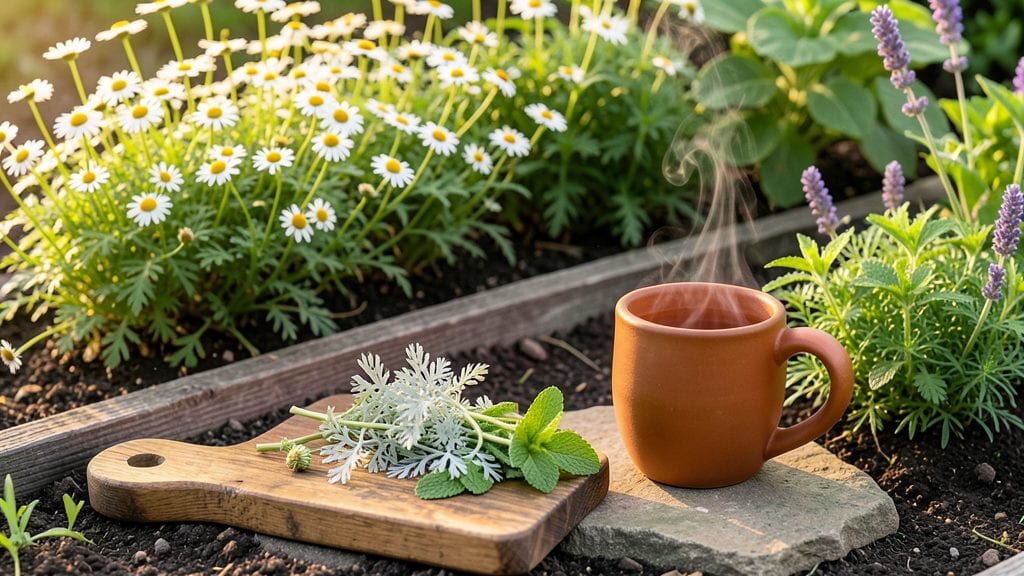
A medicinal tea garden creates a dedicated space for growing therapeutic herbs, flowers, and plants that produce healing infusions, tisanes, and natural remedies. This garden typically features calming lavender, immune-supporting echinacea, digestive peppermint, and adaptogenic chamomile. To build one successfully, prioritize full-sun exposure, well-draining soil, and easy access for regular harvesting.
A medicinal tea garden isn't just about aesthetics—it's a functional space where every plant serves a purpose, whether it's soothing stress or boosting immunity. 🌿 The key is balancing sun-loving herbs like rosemary with shade-tolerant options such as lemon balm, ensuring each plant thrives in its zone.
I've found that grouping plants by their therapeutic families (like mint for digestion or mint for relaxation) makes harvesting easier and keeps the garden organized. Plus, adding pollinator-friendly flowers like calendula not only attracts beneficial insects but also enhances the garden's overall healing energy.
💡 In This Article
- Best Herbs for a Healing Tea Garden
- Designing a Functional Medicinal Herb Layout
Best herbs for a healing tea garden
When designing your medicinal herb collection, start with digestive aids like peppermint and fennel. Peppermint contains menthol, which relaxes gastrointestinal muscles and eases bloating—studies show it can reduce symptoms of irritable bowel syndrome by 40% compared to placebos.
Fennel, with its anethole compounds, soothes colic and cramps, while lesser-known catnip (not just for cats!) contains nepetalactone, a compound that may help calm digestive spasms. 🌿 These herbs thrive in full sun to partial shade and prefer well-draining soil with a pH of 6.0-7.0.
For immune support, echinacea and elderflower are powerhouses. Echinacea stimulates immune cells like macrophages and natural killer cells, with research showing 10-15% increased resistance to upper respiratory infections. Elderflower, rich in flavonoids and vitamin C, acts as a mild antiviral.
Both prefer moist, fertile soil and 4-6 hours of sunlight daily. Harvest echinacea leaves and flowers in early bloom, while elderflowers should be picked when fully open but before they wilt—this ensures maximum potency.
Stress relief and sleep aids rely on adaptogens like chamomile and lemon balm. Chamomile contains apigenin, a compound that binds to brain receptors, promoting relaxation—studies show it can reduce anxiety by 30% in just 8 weeks of regular use. Lemon balm, with its rosmarinic acid, enhances mood and may improve sleep quality. These herbs grow well in partial shade and tolerate cooler climates, making them ideal for container gardens. Prune chamomile flowers just before blooming for the strongest tea, while lemon balm leaves can be harvested year-round but taste most vibrant in spring.
Don’t overlook lesser-known gems like calendula (anti-inflammatory) or hyssop (expectorant). Calendula flowers, with their carotenoids, accelerate wound healing and reduce skin irritation—studies show 20% faster healing in minor burns when applied topically. Hyssop, containing volatile oils, clears mucus and supports respiratory health.
Both thrive in full sun and dry, rocky soil, making them perfect for low-maintenance gardens. Harvest calendula petals in morning sunlight when dew has dried, and hyssop leaves just before flowering for peak potency.
Growth requirements vary by herb, but most medicinal plants prefer well-draining soil to prevent root rot. For example, lavender needs sandy, alkaline soil (pH 7.0-8.0) and drought tolerance, while mint spreads aggressively and should be contained in pots or raised beds. Rotate crops annually to prevent soil depletion, especially for heavy feeders like comfrey. 🌱 Understanding these nuances ensures your garden remains productive and vibrant for years.
Pro tip: Label each plant with its therapeutic use and harvesting time to streamline your tea-making process. For instance, write "Digestive - Harvest leaves before flowering" on your peppermint stake. This small step saves time and ensures you’re always using the most potent parts of the plant.