
Planting
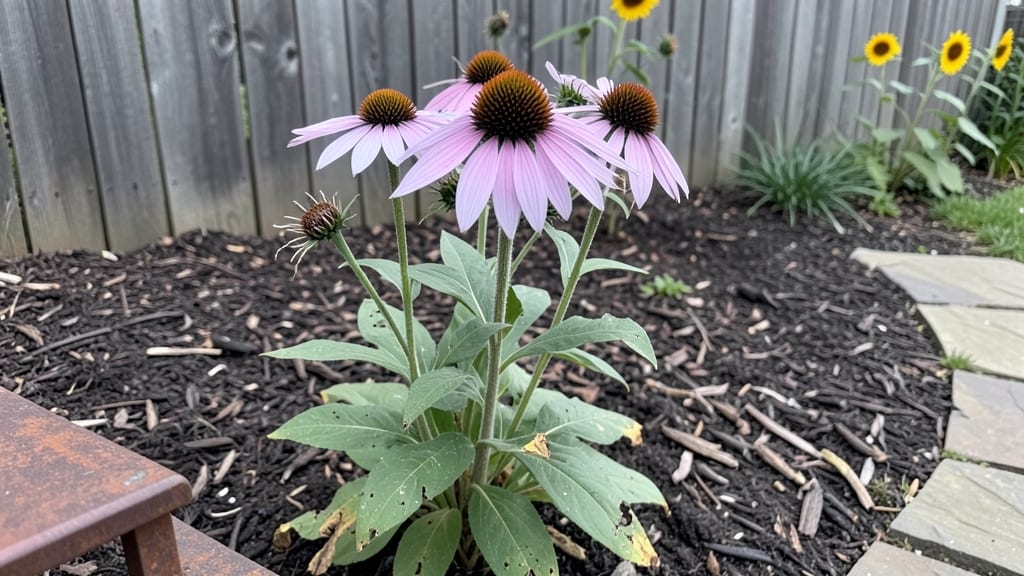
Minnesota flower gardening doesn’t have to mean fighting the cold—it’s about choosing the right tough plants that outlast winter’s worst. I’ve spent years testing perennials that come back stronger every spring, like coneflowers that bloom from July to frost and black-eyed Susans that thrive in rocky soil.
The key isn’t coddling them; it’s picking varieties that treat Minnesota’s swings like a walk in the park.
Start with native perennials like bee balm, which attracts pollinators while handling our wet springs, or Russian sage, which stays drought-resistant even in summer heat waves.
These plants know how to survive here—what they need is good soil (amend with compost if yours is heavy clay) and 6+ hours of sun daily. Most do fine with minimal fuss once established, which means less work for you and more blooms for the neighbors to envy.
By mid-June, your garden will burst into color, and it won’t stop until frost. Imagine purple coneflowers swaying in late summer breezes while daylilies add vertical drama, all while deer and rabbits leave them alone.
The best part? These same plants feed birds through winter, turning your yard into a four-season show. Let’s get you started with the right combinations for your light and soil.
Whether you’re working with a sunny front yard or a shady woodland edge, Minnesota’s climate actually makes flower gardening easier—you just need to pick the right survivors. I’ll show you how to layer plants for continuous blooms, from early spring epimediums to late-season asters, so your garden never looks bare.
Ready to make next year’s garden the talk of the block?
📚 In This Guide
- What you need
- Instructions
- Tips and common mistakes
- Wrapping up and next steps
What you need
- ● Hardy perennial plants: Choose cold-resistant varieties like coneflowers (Echinacea), black-eyed Susans (Rudbeckia), daylilies (Hemerocallis), and Minnesota native wildflowers. Aim for 5–10 plants per variety for a balanced look.
- ● High-quality soil: 1–2 cubic yards of well-draining, organic-rich soil (Minnesota’s clay-heavy soil benefits from compost or peat moss).
- ● Mulch: 2–3 inches of organic mulch (straw, wood chips, or shredded leaves) to insulate roots and retain moisture.
- ● Garden tools: Trowel (for transplanting)
- ● Garden fork or spade (for soil prep)
- ● Pruners (sharp, clean pair)
- ● Gloves (heavy-duty for protection)
- ● Watering can or hose with a gentle spray nozzle
- ● Fertilizer: Slow-release, balanced (10-10-10) or organic fertilizer to nourish perennials without overfeeding.
- ● Plant markers: Labels or stakes to track varieties (especially useful for new gardeners!).
- ● Drip irrigation system: Saves time and ensures consistent watering during Minnesota’s dry spells.
- ● Cold frames or row covers: Protect young plants from late frosts (spring/fall).
- ● Garden journal: Track planting dates, blooming times, and notes on plant performance.
- ● Local plant guides: Books or apps like Minnesota Wildflowers for inspiration.
Instructions for designing a cold-hardy perennial flower bed in Minnesota
Here’s how to create a vibrant, low-maintenance perennial garden that survives Minnesota winters and bursts into bloom each spring.
Select and Prepare the Planting Site
Choose a location with at least 6 hours of sunlight daily—most hardy perennials thrive in full sun but tolerate partial shade. Clear the area of weeds and grass, then loosen the soil to a depth of 12 inches using a garden fork or tiller. This ensures roots can establish deeply before winter.
Test your soil’s drainage by digging a 6-inch hole and filling it with water. If it drains in less than 4 hours, your soil is suitable. If water pools, amend with 2-3 inches of compost or sand to improve drainage. Minnesota’s clay-heavy soil benefits from this adjustment to prevent root rot in cold, wet springs.
Choose Cold-Resistant Perennial Varieties
Pick perennials rated for USDA Zones 3-4, such as coneflowers, black-eyed Susans, or Russian sage. These plants return year after year with minimal care. Group them by height—tall varieties like delphiniums at the back, mid-height like daylilies in the middle, and low growers like creeping thyme in the front.
Space plants according to their mature width: 18-24 inches apart for most perennials. Overcrowding leads to weak stems and fewer blooms. For example, place coneflowers 2 feet apart to allow airflow and reduce disease risk. Check plant tags for specific spacing needs—this ensures a full, lush garden without overplanting.
Plant and Mulch for Winter Protection
Dig holes twice as wide and just as deep as the root ball. Gently remove plants from their containers and place them in the holes, ensuring the top of the root ball sits level with the soil surface. Fill gaps with native soil, pressing lightly to eliminate air pockets.
Water deeply after planting to settle the soil and encourage root growth. Once established, apply 3 inches of mulch (such as shredded bark or straw) around each plant, keeping it 2 inches away from stems to prevent rot. Mulch insulates roots in winter and retains moisture during Minnesota’s dry summers.
Maintain Through the Growing Season
Water newly planted perennials once a week during the first growing season, providing 1 inch of water per week. Once established, most hardy perennials need little supplemental water, but check soil moisture—if the top 2 inches feel dry, water deeply. Avoid overhead watering to prevent fungal diseases like powdery mildew.
Deadhead spent blooms in late summer to encourage a second flush of flowers and redirect energy to root growth. Cut back foliage in late fall or early spring once new growth appears. This keeps the garden tidy and prevents pests from overwintering in dead stems.
Tips & tricks for perfect Minnesota flower gardening
Creating a thriving perennial garden in Minnesota’s challenging climate takes a few strategic moves that make all the difference between a struggling plot and a vibrant landscape.
Soil Preparation Secret: When loosening soil to 12 inches deep in Step 1, don't just break it up—work in 2-3 inches of compost during this process. This isn't just about drainage; it's about giving your perennials a nutrient boost right from planting. I've seen gardens where roots struggle because the soil was amended only after planting. Mixing compost in at this stage ensures your plants have everything they need to establish strong roots before winter.
Plant Spacing Insight: The 18-24 inch spacing in Step 2 might seem generous, but trust me on this—it prevents competition for nutrients and sunlight. I learned this the hard way after planting coneflowers too close together, which led to weak stems and fewer blooms. For a fuller look faster, you can plant slightly closer (16-18 inches) but be prepared to thin out as they grow. The key is to check plant tags for mature size—this ensures you're spacing for their full-grown dimensions, not their current size.
Mulching Strategy: That 3 inches of mulch in Step 3 is your winter insurance policy. Apply it after the first hard frost when soil is frozen to about 2 inches deep. This creates an insulating layer that protects roots from extreme temperature fluctuations. I've found that straw mulch works particularly well in Minnesota because it breaks down slowly, providing long-term protection. Just remember to keep it 2 inches away from stems to prevent rot—a common mistake that can actually harm your plants.
Watering Wisdom: The once-a-week watering recommendation in Step 4 works for most Minnesota summers, but there's a trick to make it even more effective. Water in the early morning so the foliage has all day to dry before evening. This simple adjustment can dramatically reduce the risk of fungal diseases like powdery mildew, which thrives in damp conditions. I've seen gardens where afternoon watering led to persistent mildew issues—switching to morning watering cleared it up within weeks.
Pro Tips for Minnesota Flower Gardening
- Creating a thriving perennial garden in Minnesota’s challenging climate takes a few strategic moves that make all the difference between a struggling plot and a vibrant landscape.
- Soil Preparation Secret: When loosening soil to 12 inches deep in Step 1, don't just break it up—work in 2-3 inches of compost during this process.
- Plant Spacing Insight: The 18-24 inch spacing in Step 2 might seem generous, but trust me on this—it prevents competition for nutrients and sunlight.
Frequently asked questions
Got questions about turning your Minnesota flower garden into a year-round showstopper? You’re not alone! Here are answers to the most common queries—so you can grow with confidence, even in those chilly winters.
When’s the best time to plant perennials in Minnesota?
The ideal window is early spring (April–May) or early fall (September–October). Spring lets roots establish before summer heat, while fall avoids winter stress. Skip planting in extreme cold or peak summer—your perennials will thank you!
Can I grow flowers in Minnesota’s short growing season?
Opt for hardy perennials like coneflowers, black-eyed Susans, and daylilies—they thrive in Minnesota’s Zone 4–5. Add annuals like marigolds or zinnias for color bursts, and extend blooms with fall plantings. Your garden will pop all season!
How do I protect my flowers from Minnesota’s harsh winters?
Mulch heavily (3–4 inches of straw or leaves) around roots to insulate soil, and avoid pruning until spring. For tender plants, wrap them in burlap or use cold frames. Evergreens? Shake off snow to prevent branch breakage. Your flowers will wake up vibrant!
What if my perennials don’t come back after winter?
Check for rot or pests—if healthy roots remain, they’ll regrow! If not, try dividing crowded clumps or replacing with cold-hardy alternatives like siberian bugloss. Don’t despair: perennials often surprise you with a comeback!
Still stumped? Minnesota’s gardening community is full of helpers—just ask! Your dream garden is closer than you think.
Wrapping up and next steps
Minnesota’s cold climate doesn’t have to limit your flower garden—with the right hardy perennials, you can enjoy vibrant blooms year after year! From coneflowers to black-eyed Susans, these resilient plants prove that beauty thrives even in frost.
Whether you’re a seasoned gardener or just starting, your green space is ready to burst with color.
Ready to dive in? Start small—pick one or two perennials to test your soil and climate, then expand your garden over time. Grab your gloves, embrace the chill, and let your Minnesota flower garden blossom into a masterpiece! 🌸❄️