Tools
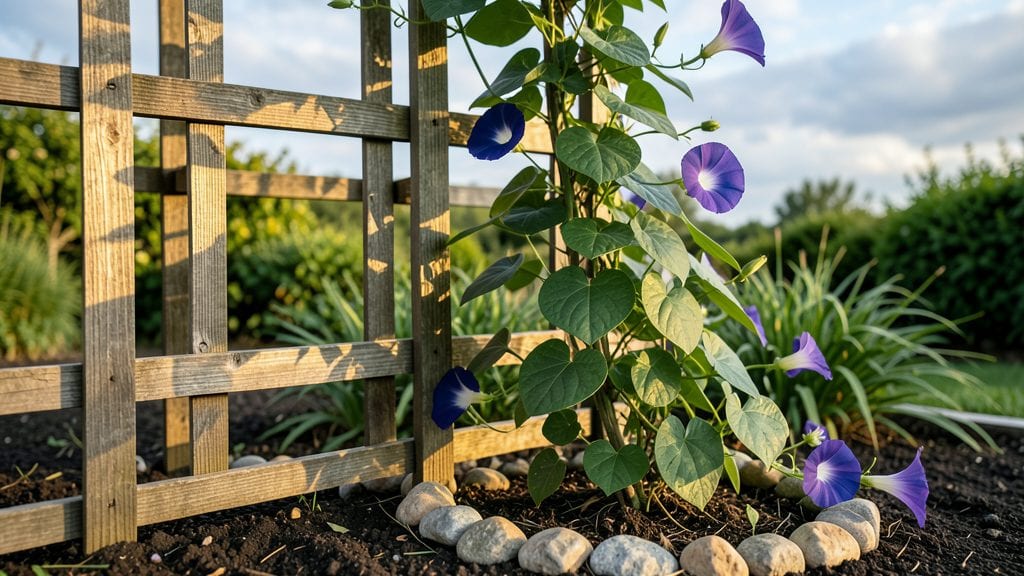
Designing a morning glory garden starts with a blank canvas of vertical space waiting for color. I turned my boring chain-link fence into a riot of blue and purple by training morning glories up a simple wooden trellis—now my neighbors stop to take photos every time they walk by.
The key isn’t just the vines themselves, but how they transform underutilized walls, arbors, or even old ladders into living art. These fast-growing climbers need just six hours of sun daily and soil that drains well, but they’ll reward you with blooms from early summer until frost.
The magic happens when you pair them right: marigolds at the base deter pests, while sweet peas climbing alongside add delicate fragrance. My setup uses a mix of permanent structures (like a pergola over the patio) and temporary ones (a bamboo teepee for the kids’ play area).
The best part? Morning glories self-seed like crazy, so once established, they multiply without extra work. You’ll spend more time admiring the show than maintaining it—though deadheading spent blooms keeps the flowers coming.
Imagine waking to trumpet-shaped blossoms unfurling with the sun, their petals glowing like stained glass against green leaves. My garden’s vertical display creates shade for seating areas below while adding drama to every season. The vines even provide a natural privacy screen that’s prettier than any fence.
With minimal effort, you’ll have a garden that feels like a secret escape, where every corner offers a new perspective on the sky.
Works for small urban patios or sprawling country yards—just adjust the scale. Start with one trellis this year, then expand next season when you see how much impact these easy-care climbers can make.
The only limit is your imagination (and maybe your fence’s load-bearing capacity). Let’s get those seeds in the ground!
📚 In This Guide
- What you need
- Instructions
- Tips and common mistakes
- Wrapping up and next steps
What you need
- ● Morning glory seeds (choose fast-growing varieties like 'Heavenly Blue' or 'Scarlet O’Hara'; ~50-100 seeds for a lush display).
- ● Vertical trellis or structure (wooden lattice, metal grid, or sturdy fence; minimum 6' tall for optimal growth).
- ● Potting soil (well-draining mix; ~10-20 lbs, depending on planter size).
- ● Planters or containers (hanging baskets, window boxes, or raised beds; ensure drainage holes).
- ● Watering can or hose (with a gentle spray nozzle for delicate vines).
- ● Fertilizer (balanced, slow-release granular or liquid fertilizer; 10-10-10 ratio).
- ● Pruning shears (for trimming and shaping vines as they grow).
- ● Gloves (to protect hands from thorns or rough surfaces).
- ● Mulch (to retain moisture and suppress weeds; straw or shredded bark).
- ● Epsom salt (for magnesium boost; mix 1 tbsp per gallon of water monthly).
- ● Support ties (soft plant ties or old fabric strips to secure vines to trellises).
- ● Shade cloth (for seedlings if planting in hot climates).
- ● Decorative accents (fairy lights, solar-powered stakes, or painted trellises for charm).
Step-by-step guide to creating your morning glory garden
Transform any space into a vertical paradise with these easy steps for growing vibrant morning glories.
Choose the Perfect Location for Your Vines
Morning glories thrive in full sun, so pick a spot that receives at least 6-8 hours of direct sunlight daily. A south- or west-facing wall, fence, or trellis works best. If you're using a trellis, ensure it's at least 6 feet tall—these vines can grow up to 10-15 feet in a single season, so give them room to climb. Avoid shady areas, as the flowers won’t bloom as abundantly, and the vines may become weak and leggy.
Check the soil drainage in your chosen spot. Morning glories prefer well-draining soil, so if your garden tends to stay soggy, consider planting in a raised bed or container with extra perlite mixed in. You’ll know you’ve picked the right spot when the vines start growing vigorously within 2-3 weeks of planting.
Prepare the Soil and Plant Seeds
Loosen the soil in your planting area to a depth of 6 inches, removing any rocks or debris. Morning glories grow best in loamy, fertile soil, so mix in 2-3 inches of compost or well-rotted manure to enrich the soil before planting. If you’re planting in containers, use potting mix combined with 1 part perlite for better drainage.
Scatter morning glory seeds directly into the soil, spacing them 12-18 inches apart for bushier growth. Press them lightly into the soil—½ inch deep is ideal—since they need light to germinate. Water the area gently but thoroughly, ensuring the soil stays moist but not waterlogged. You’ll see sprouts emerge in 7-14 days, depending on temperature and soil conditions.
Install a Trellis or Support Structure
As soon as your seedlings reach 4-6 inches tall, install a trellis, fence, or sturdy wire mesh to support their climbing habit. Morning glories use tendrils to grip surfaces, so a chain-link fence or wooden lattice works perfectly. If you’re using a trellis, space it 3-4 feet away from the planting area to give the vines room to sprawl before climbing.
Gently guide the vines toward the support as they grow, weaving them through the structure to encourage upward growth. Avoid tying the vines too tightly—they’ll break if handled roughly. Within 4-6 weeks, you’ll see the vines twining eagerly up the trellis, reaching for sunlight and producing those iconic trumpet-shaped blooms.
Water and Maintain for Continuous Blooms
Water your morning glories deeply once a week, providing 1 inch of water per week. These plants are drought-tolerant once established, but consistent moisture during dry spells keeps the flowers vibrant. Water at the base of the plant in the morning to prevent fungal issues, and avoid wetting the leaves, which can lead to mildew.
Deadhead spent blooms regularly to encourage more flowers. Simply pinch off faded blossoms with your fingers or snip them with clean scissors. This simple step keeps the plant focused on producing new blooms rather than setting seed. With proper care, your morning glories will flower continuously from late spring until frost, creating a stunning vertical display.
Enjoy and Extend the Season
To prolong blooming into fall, remove any seed pods that form—these signal the plant to stop flowering and focus on reproduction. If you’re in a warm climate, morning glories may even reseed themselves, returning next year with even more vigor. In cooler regions, collect seeds from mature pods in late summer to save for next season’s garden.
Watch for pests like aphids or spider mites, which can weaken the vines. A strong spray of water usually removes them, or use neem oil as a natural deterrent. With minimal effort, your morning glory garden will reward you with months of color, transforming any space into a living tapestry of blue, purple, or white blooms.
Tips & tricks for perfect morning glory garden growth
Creating a thriving vertical garden with morning glories is easier than you think—here's how to maximize your success from the start.
Location is Everything: That 6-8 hours of sunlight is non-negotiable for vibrant blooms. If your space only gets 4-5 hours, consider placing a reflective surface nearby to bounce extra light onto your vines. I've seen dramatic differences in flower production when morning glories get their full sun requirement—trust me, they'll reward you with more abundant blooms if you commit to this step.
Soil Preparation Matters: Don't skip the 2-3 inches of compost in Step 2—this isn't optional. Morning glories are heavy feeders, and that compost provides the nutrients they need to produce those stunning trumpet-shaped flowers. If your soil is particularly poor, you can even double the compost amount, though be careful not to make the soil too rich, which can lead to excessive foliage at the expense of flowers.
Timing for Trellis Installation: Wait until those seedlings reach 4-6 inches tall before installing your support structure. This gives them enough strength to handle the weight of climbing. I've made the mistake of installing trellises too early, and the young vines would often snap under their own weight. The 4-6 inch height is that perfect sweet spot where they're sturdy enough but not so established that they'll struggle to find their way up.
Watering Wisdom: That once-a-week deep watering is crucial, but timing matters too. Always water in the morning so any moisture on the leaves can evaporate during the day, reducing the risk of fungal diseases. I've noticed that morning watering also seems to encourage more vigorous growth—perhaps because the roots have all day to absorb moisture before the heat of afternoon sets in.
Pro Tips for Morning Glory Garden
- Creating a thriving vertical garden with morning glories is easier than you think—here's how to maximize your success from the start.
- Location is Everything: That 6-8 hours of sunlight is non-negotiable for vibrant blooms.
- Soil Preparation Matters: Don't skip the 2-3 inches of compost in Step 2—this isn't optional.
Frequently asked questions
Got questions about creating your own morning glory garden? You’re not alone! Here are some of the most common queries—plus quick, practical answers to help you grow with confidence.
How long does it take for morning glories to climb and bloom?
Most morning glory varieties sprout within 7–14 days and start climbing trellises or fences by 3–4 weeks. Blooms typically appear 4–6 weeks after planting, with peak color lasting through summer and early fall. Fast growers like ‘Heavenly Blue’ may surprise you with flowers in just 30 days!
Can I grow morning glories in containers or small spaces?
Use 5–10 gallon pots with drainage holes and a trellis or obelisk for vertical growth. Dwarf varieties like ‘Fountain of Heaven’ thrive in containers, while sprawling types need at least 6–8 feet of climbing space. Just ensure they get 6+ hours of sun daily—even in pots!
Why aren’t my morning glories blooming? Troubleshooting tips.
No flowers? Check these fixes:
- Not enough sun: Morning glories need full sun (6+ hours). Move pots or trim nearby shade sources.
- Over-fertilizing: Too much nitrogen = leafy vines, fewer blooms. Use a balanced 10-10-10 fertilizer lightly.
- Deadheading needed: Snip spent blooms to encourage new flowers (they’re daily bloomers!).
- Pests: Watch for aphids or spider mites. Spray with soapy water if leaves look chewed.
Are morning glories invasive? Will they spread uncontrollably?
Morning glories are not invasive like kudzu, but they do reseed aggressively. To control spread:
- Deadhead before seed pods form (they look like tiny lanterns).
- Plant in contained areas or use black plastic mulch to block self-seeding.
- Choose sterile cultivars like ‘Moonlight and Starlight’ if you prefer low-maintenance options.
What’s the best trellis material for morning glories?
Morning glories love lightweight, sturdy supports. Top picks:
Material
Pros
Cons
Bamboo or wooden stakes
Natural look, budget-friendly, easy to DIY.
May rot over time; needs occasional tightening.
Metal or plastic obelisks
Durable, reusable, great for containers.
Can be pricier; may heat up in full sun.
String or twine on a fence
Zero-cost if you have a fence; super simple.
Vines may tangle; needs frequent adjustments.
Pro tip: Twist vines gently around supports as they grow—they’ll cling better than just draping!
Wrapping up and next steps
Transforming your space into a morning glory garden isn’t just about aesthetics—it’s a rewarding journey of growth, creativity, and connection with nature. 🌿 Whether you’re a seasoned gardener or a beginner, these vibrant vines bring color, texture, and life to any vertical space, all while requiring minimal effort.
The key is to start small, stay consistent, and enjoy the process as your garden flourishes.
Ready to dive in? Pick a spot, gather your supplies, and let the magic unfold! Share your progress with fellow gardeners or even experiment with new varieties—your morning glory garden is just one season away from becoming a stunning reality. 🌸